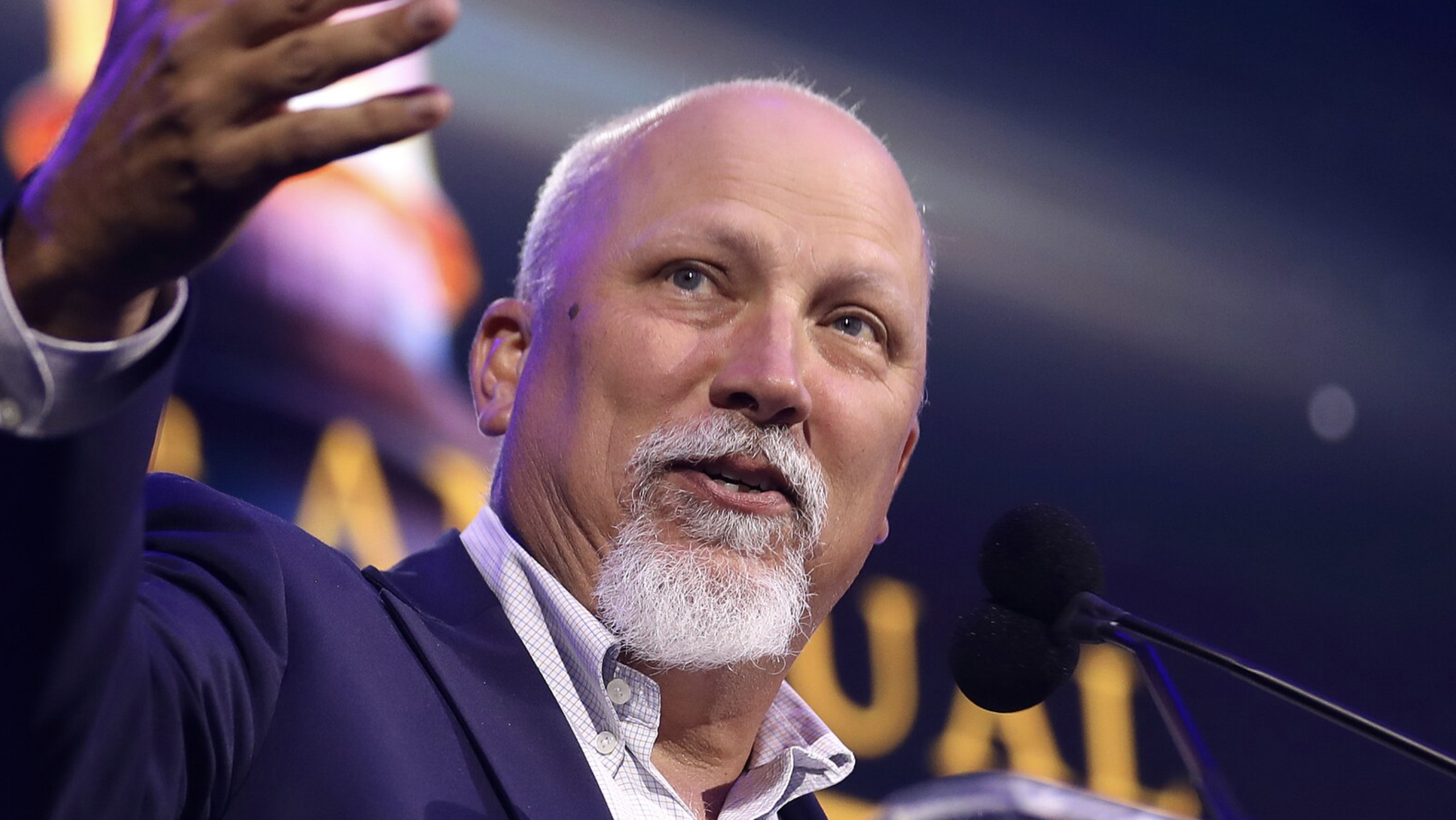

WASHINGTON — Rep. Chip Roy (R-TX) took to the House floor on April 30 to oppose a 45-day extension of the Foreign Intelligence Surveillance Act, arguing that Congress was surrendering its constitutional duty to defend Americans from government surveillance.
“This body ought to be defending the people of the United States against the power of government being used against us,” Roy said. “Under no circumstances should we allow technology to breach the wall that the Fourth Amendment created.”
Roy’s Vote and Official Statement
Roy voted against S. 1318, the Foreign Intelligence Accountability Act — the House-passed three-year FISA reauthorization that included modest oversight reforms and a ban on a central bank digital currency — and also voted against the Senate’s clean 45-day extension that ultimately passed the House 261-111, according to his official press release.
“While this reauthorization of FISA includes some modest reforms, it ultimately falls short of the meaningful changes required to safeguard Americans’ Fourth Amendment rights,” Roy said in the press release. “The legislation does not establish adequate warrant requirements and omits critical provisions, including my amendment to eliminate the ‘kill switch’ in Americans’ vehicles.”
What Roy Said on the Floor
In his floor remarks, Roy criticized the Senate for rejecting the House’s three-year bill without so much as a floor vote. “We sent a bill to the Senate that has reforms that our Intel chairman worked on, that a number of people worked on,” he said. “They didn’t even give it a vote. They didn’t even put it on the floor for consent. They just said, ‘Stuff it, we’re gonna send you a 45-day extension.'”
Roy framed the fight over FISA as part of a broader pattern of government surveillance creep, invoking what he described as documented abuses under the previous administration. “I hope we can achieve a bipartisan consensus here on how we reform this regardless of who’s in the White House and regardless who has control of Congress,” he said. “We need to do that in defense of the Constitution.”
He also tied FISA to the separate federal mandate requiring driver monitoring technology in new vehicles — what critics have termed a “kill switch.” “We have other issues we’ve gotta deal with — the kill switch, surveillance in automobiles, central bank digital currency, tracking what we spend, how we spend it, what we can buy,” Roy said on the floor.
Quoting a colleague’s observation about intelligence agencies, Roy argued that surveillance powers, once granted, are never voluntarily returned. “The intel community never walks in, ever, saying, ‘We have all of this power to collect information — oh, we’re gonna give it back,'” he said, attributing the remark to Rep. Michael Cloud (R-TX). “That never happens. The only way that happens is if we act, is if this body acts, the people’s representatives.”
The Kill Switch Amendment
Roy’s press release confirmed that his amendment to repeal the car surveillance mandate — what he called the “kill switch” — was not included in either the three-year House bill or the final 45-day extension. The mandate stems from Section 24220 of the Infrastructure Investment and Jobs Act of 2021, which requires NHTSA to establish a federal safety standard for “advanced drunk and impaired driving prevention technology” in all new passenger vehicles.
NHTSA’s own March 2026 report to Congress acknowledged that no current technology meets the law’s accuracy requirements, stating that even a 99.9 percent detection accuracy rate “could result in millions to tens of millions of instances each year where the technology would incorrectly prevent or limit drivers from operating their vehicles,” according to the NHTSA March 2026 Report to Congress.
What Passed — and What Comes Next
The 45-day clean extension passed the House 261-111 and was sent to President Trump for signature. The Senate had passed the same measure earlier Thursday by unanimous consent after declaring the House’s three-year version — which included the CBDC ban — dead on arrival.
Section 702 is now set to expire June 12, absent further congressional action. Roy said on the floor that he and other members had previously proposed a 60-day extension paired with real negotiations. “We should go to committee,” he said. “We should have a full-throated debate in committee. We should amend it. We should have a debate about warrants. We should have a debate about protecting the American people from the abuse of power by government.”

 By
By

 By
By