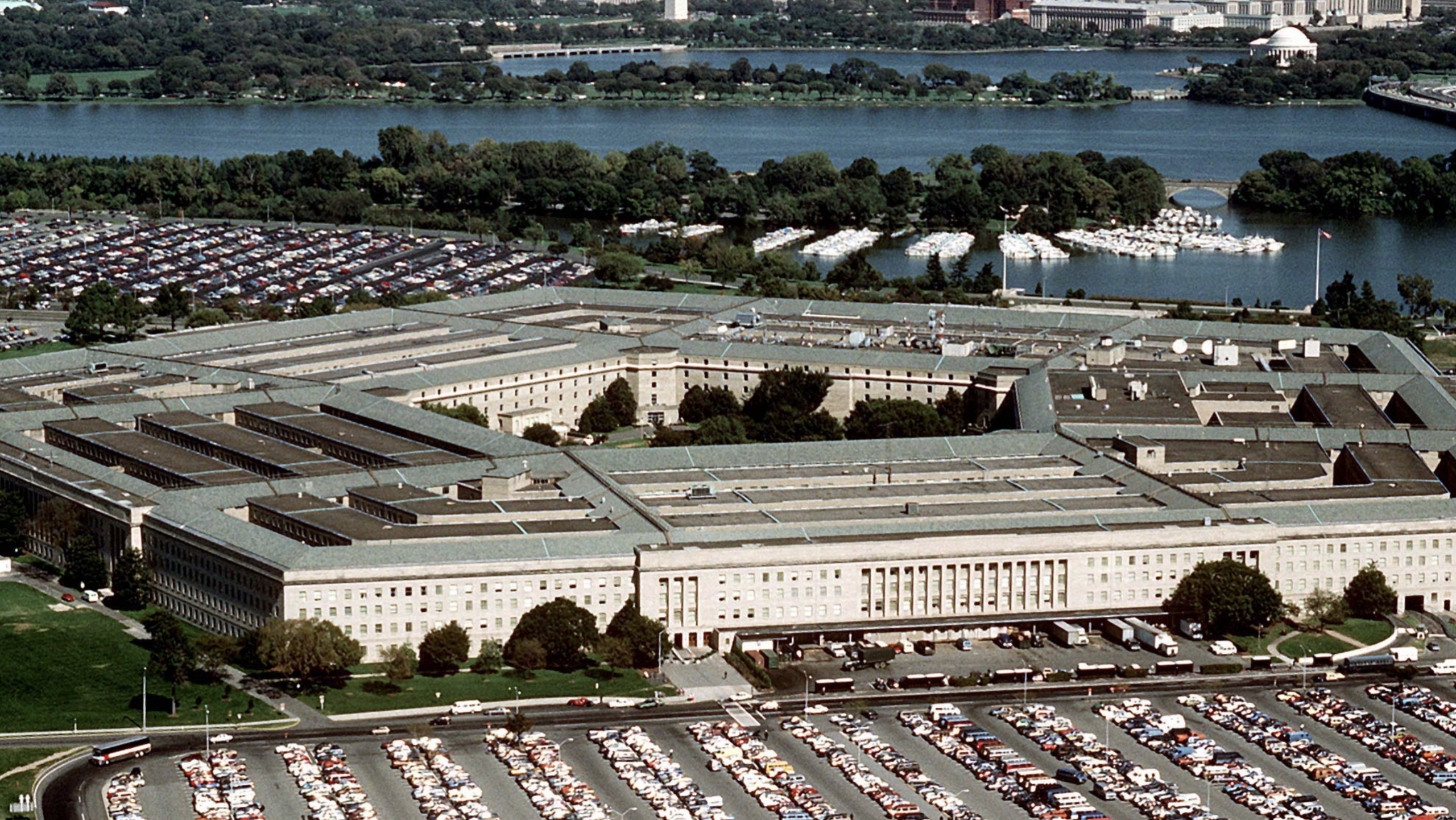

The Pentagon announced a major expansion of its artificial intelligence capabilities on Friday, confirming agreements with leading U.S. technology firms to deploy advanced AI systems across classified defense networks as part of a broader effort to modernize military operations and accelerate decision-making.
The Defense Department said it has entered into agreements with multiple frontier AI and technology companies to integrate their systems into secure military environments, marking one of the most significant steps yet toward embedding commercial AI into classified national security infrastructure. The initiative is designed to strengthen what officials describe as an “AI-first fighting force.”
According to the Pentagon and accompanying disclosures, companies including OpenAI, Google, Microsoft, Amazon Web Services, NVIDIA, SpaceX, and the startup Reflection AI will provide AI capabilities for use on classified and top-secret networks. The department also referenced additional partners in its broader AI integration framework, reflecting an expanding ecosystem of defense-focused AI collaboration.
The agreements come as the Pentagon confirmed that Anthropic is excluded from the new classified network expansion, following an escalating dispute over military use policies and its designation earlier this year as a supply-chain risk. That designation effectively barred its use by the Pentagon and its contractors, even as its systems reportedly remained widely used within parts of the defense community.
At the center of the dispute is the government’s requirement that participating AI firms allow use of their systems for “any lawful use,” a standard other major providers agreed to but Anthropic resisted. The Pentagon has argued this unified approach is necessary to prevent fragmentation across defense AI systems and ensure interoperability across classified environments.
Defense officials said the agreements are also intended to avoid “vendor lock,” a concern that reliance on a single provider could limit flexibility and resilience in military AI infrastructure. By expanding participation across multiple firms, the Pentagon said it aims to maintain access to a “diverse suite of AI capabilities from across the resilient American technology stack.”
The department also highlighted the scale of its existing AI deployment. Its primary platform, GenAI.mil, has been used by more than 1.3 million Defense Department personnel over a five-month period, generating tens of millions of prompts and supporting hundreds of thousands of deployed AI agents in operational contexts ranging from logistics to planning and analysis.
Officials noted that the integration process for new AI vendors has accelerated significantly. Where onboarding previously took up to 18 months, newer entrants have reported being incorporated into classified systems in under three months, reflecting a broader push to speed up deployment across sensitive military environments.
The new agreements cover secure integration into Impact Level 6 and Impact Level 7 networks, which are among the Pentagon’s highest classified computing environments. These systems are used to support warfighting, intelligence, and enterprise operations, with AI tools expected to enhance data synthesis, situational awareness, and decision support in complex operational scenarios.
Tensions surrounding Anthropic remain active. Defense Department Chief Technology Officer Emil Michael said the company continues to be treated as a supply-chain risk, while also distinguishing its newer “Mythos” model as a separate national security development due to its advanced cybersecurity capabilities. The model has drawn attention across government and industry for its potential security implications, though it is unclear whether it is currently part of Pentagon programs.
The dispute between Anthropic and the Defense Department is also tied to ongoing federal litigation and broader policy disagreements over whether its AI systems could be used in areas such as autonomous systems or surveillance applications. While the Pentagon has stated it does not intend to use the model for those purposes, no contractual consensus has been reached.
At the policy level, the Defense Department emphasized that the agreements represent a structural shift in military AI strategy. Officials described the initiative as part of an effort to establish the United States military as an “AI-first fighting force,” underscoring a long-term goal of embedding advanced machine learning systems into core defense operations.
Together, the agreements signal a rapid consolidation of AI capabilities across major U.S. technology providers within national security infrastructure, while simultaneously isolating one of the most prominent AI firms in the sector. The outcome highlights both the accelerating pace of AI adoption in defense and the growing regulatory and operational tensions shaping its deployment in classified environments.

 By
By



 By
By