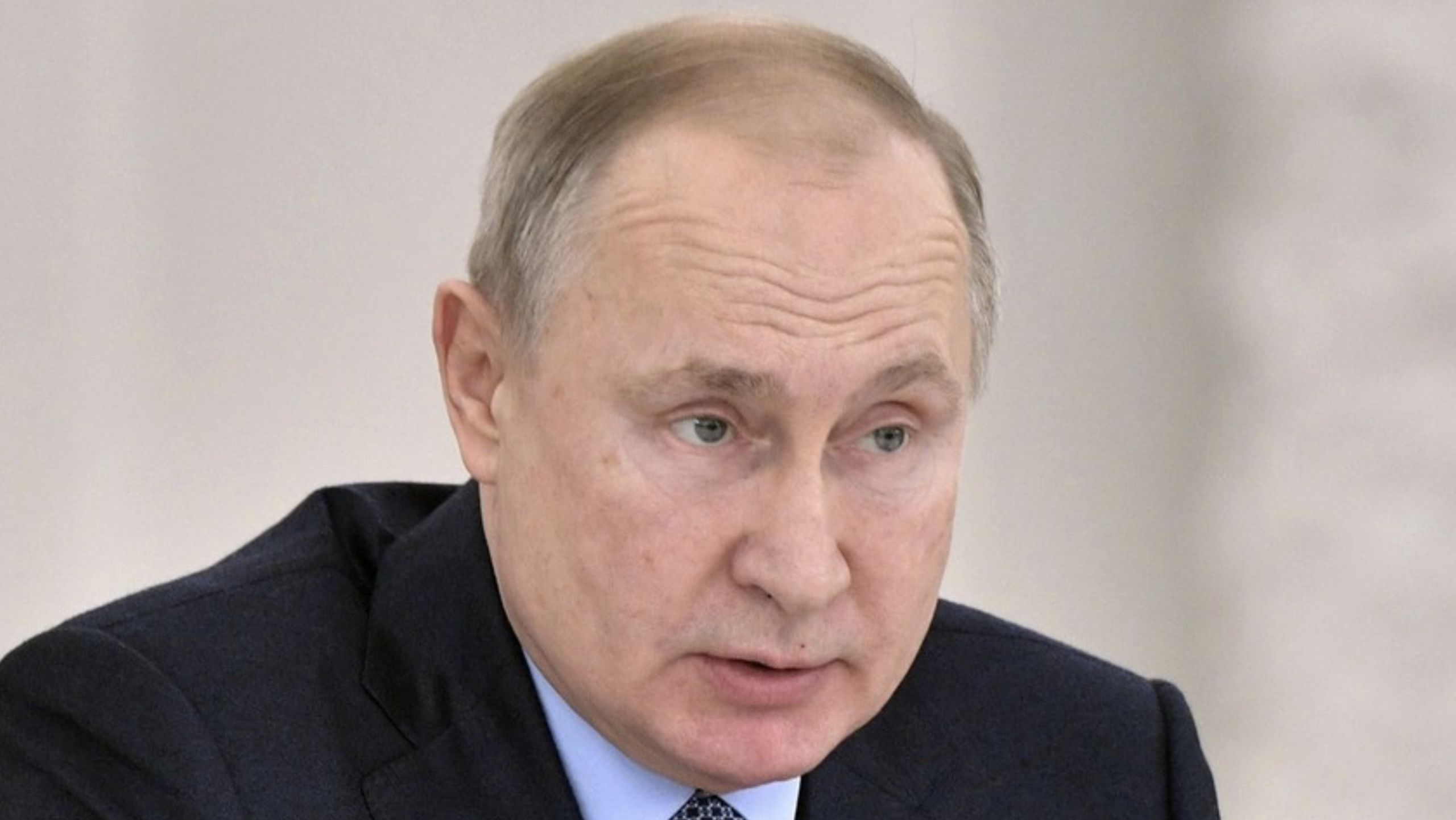

Russian President Vladimir Putin has directed state scientists to develop what officials describe as an “anti-aging vaccine,” part of a broader national biotechnology and healthcare push framed around extending healthy human lifespan. The initiative, funded through a program exceeding 2 trillion rubles (about $26 billion), comes as Russia faces demographic decline and a rapidly aging population, and is positioned by officials as part of a national health modernization strategy.
The project is embedded in Russia’s New Technologies for Health Preservation National Project, launched in 2025 under Putin’s instruction. The program includes research aimed at cellular aging and longevity, with government messaging increasingly linking biomedical innovation to national priorities. Deputy Prime Minister Tatyana Golikova said researchers are working toward production timelines between 2028 and 2030, stating, “What some time ago we could describe as an incredible future is now becoming reality.”
At the center of the research is a gene therapy approach targeting the RAGE receptor, or Receptor for Advanced Glycation Endproducts, which scientists describe as a biological pathway associated with aging processes. Denis Sekirinsky, Russia’s deputy science and higher education minister, said at a longevity conference in Saransk that “The RAGE gene is a receptor whose activation launches the aging of the cell. Blocking this gene, on the contrary, can prolong its youth.” He added that blocking the receptor could slow or potentially pause aspects of biological aging.
Officials have described the goal as developing “the world’s first gene therapy drug” designed specifically to inhibit this receptor. Sekirinsky told researchers that the aim is to create a treatment that effectively intervenes in cellular aging mechanisms, rather than simply addressing age-related diseases after they develop.
Current scientific work on the RAGE pathway in Russia includes laboratory and animal model studies focused on inflammation and age-related conditions. However, according to officials, human clinical trials have not yet been conducted. The proposed timeline suggests that production could begin later this decade if development milestones are met.
The broader research environment has seen increased state investment in longevity science. The Russian Science Foundation has expanded its support for aging-related projects significantly in recent years, increasing from seven projects between 2016 and 2020 to 43 projects between 2021 and 2025. Funding levels for aging research have also risen sharply, with minimum allocations increasing from roughly 21 million rubles to at least 172 million rubles over comparable periods, according to reported figures.
Some of this research has been linked to politically connected institutions and figures. A source cited by Meduza described the origins of the longevity initiative as stemming from what it called an “obsessive idea” of Mikhail Kovalchuk, head of the Kurchatov Institute, who is reported to have expressed interest in concepts such as “eternal life” and the “genome of the Russian person.” Kovalchuk also oversees genetics programs involving researchers tied to Putin’s family.
Russian officials have framed longevity research as both a medical and strategic priority, reflecting broader global competition in biotechnology, cellular reprogramming, and age-related science. While Russia describes its effort in terms of a unified “anti-aging vaccine,” similar research internationally is typically categorized under longevity medicine and molecular biology rather than single-treatment interventions.
The topic of extended lifespan has also appeared in high-level geopolitical conversations. During a meeting between Putin and Chinese President Xi Jinping, the two leaders were overheard discussing advances in biotechnology. Putin remarked that “With the development of biotechnology, human organs can be continuously transplanted, and people can live younger and younger, and even achieve immortality,” while Xi’s interpreter noted projections suggesting humans could potentially live to 150 years this century.
Putin’s personal health and longevity have also been widely discussed in Russian and international reporting. In 2022, reports described his use of various wellness practices, including forest walks, a strict low-sugar diet, regular exercise routines involving swimming, judo, and ice hockey, as well as so-called antler baths, a traditional treatment involving immersion in an infusion made from deer antlers. These practices have been linked in reporting to broader interest in maintaining physical longevity.
As Russia advances its state-backed biotechnology agenda, officials continue to emphasize that the anti-aging research program is still in experimental stages. The proposed gene therapy targeting the RAGE receptor remains under development, with no confirmed human deployment, while government projections place potential production within the next decade if scientific and regulatory milestones are achieved.

 By
By



 By
By