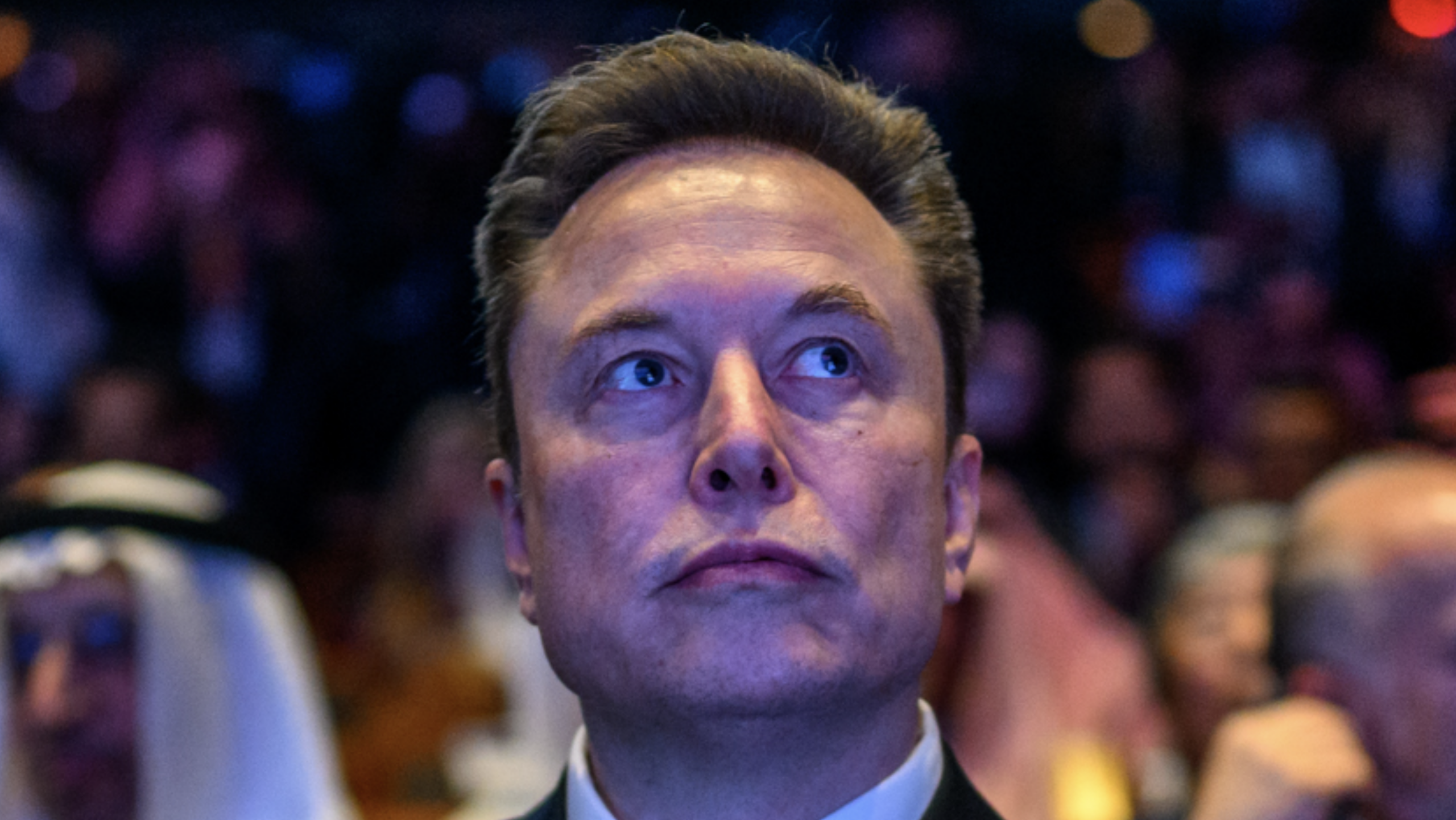

Elon Musk, the world’s richest man and founder of SpaceX, sat down with Senator Ted Cruz on the “Verdict” podcast on March 22, 2025, and offered a rare glimpse into the driving force behind his ambitious space exploration efforts. When asked what sets him apart from other highly intelligent people who achieve little, Musk pointed directly to a core personal philosophy centered on curiosity and the quest to understand the universe.
“I suppose I have a philosophy of curiosity,” Musk explained. “I want to find out the nature of the universe — understand the universe. And in order to do that we have to travel to other planets, see other star systems, maybe other galaxies, find perhaps other alien civilizations or at least the remnants of alien civilizations, gain a better understanding of where is this universe going, where did it come from, and what questions do we not yet know to ask about the answer that is the universe.”
“I have a philosophy of curiosity, I want to find out the nature of the universe.”
— Dima Zeniuk (@DimaZeniuk) March 22, 2026
— Elon Musk pic.twitter.com/rfsvLk97x6
Musk returned to this theme several times during the conversation, framing humanity’s expansion into space as essential for expanding the scope of consciousness itself. He argued that remaining confined to a single planet carries too much risk, whether from self-annihilation, cosmic events, or other existential threats. Becoming a multiplanetary species, he said, is the logical next step, eventually leading to a multi-stellar civilization capable of surviving even if something catastrophic happens on Earth.
SpaceX, Musk’s aerospace company, exists to make this vision practical by developing the vehicles needed to reach other worlds affordably. The company has already transformed access to space through reusable rockets and is now focused on the Starship system, with Musk predicting the first human landing on Mars could occur as soon as 2029. He emphasized that the ultimate goal is not just a brief visit but a self-sustaining city on Mars—one that can continue to grow and prosper without ongoing resupply from Earth.
Throughout the discussion, Musk stressed that his drive stems from first-principles thinking and a deep desire to answer fundamental questions about existence. He described the need to explore other planets and potentially encounter evidence of past alien civilizations as a way to better grasp the origins, direction, and unknowns of the universe. For Musk, space travel is not merely an engineering challenge or business venture but the necessary pathway to fulfilling that philosophical curiosity.
As the founder of multiple groundbreaking companies and currently the wealthiest individual on the planet, Musk continues to channel his resources and relentless work ethic into turning these long-term ambitions into reality through SpaceX.

 By
By



 By
By