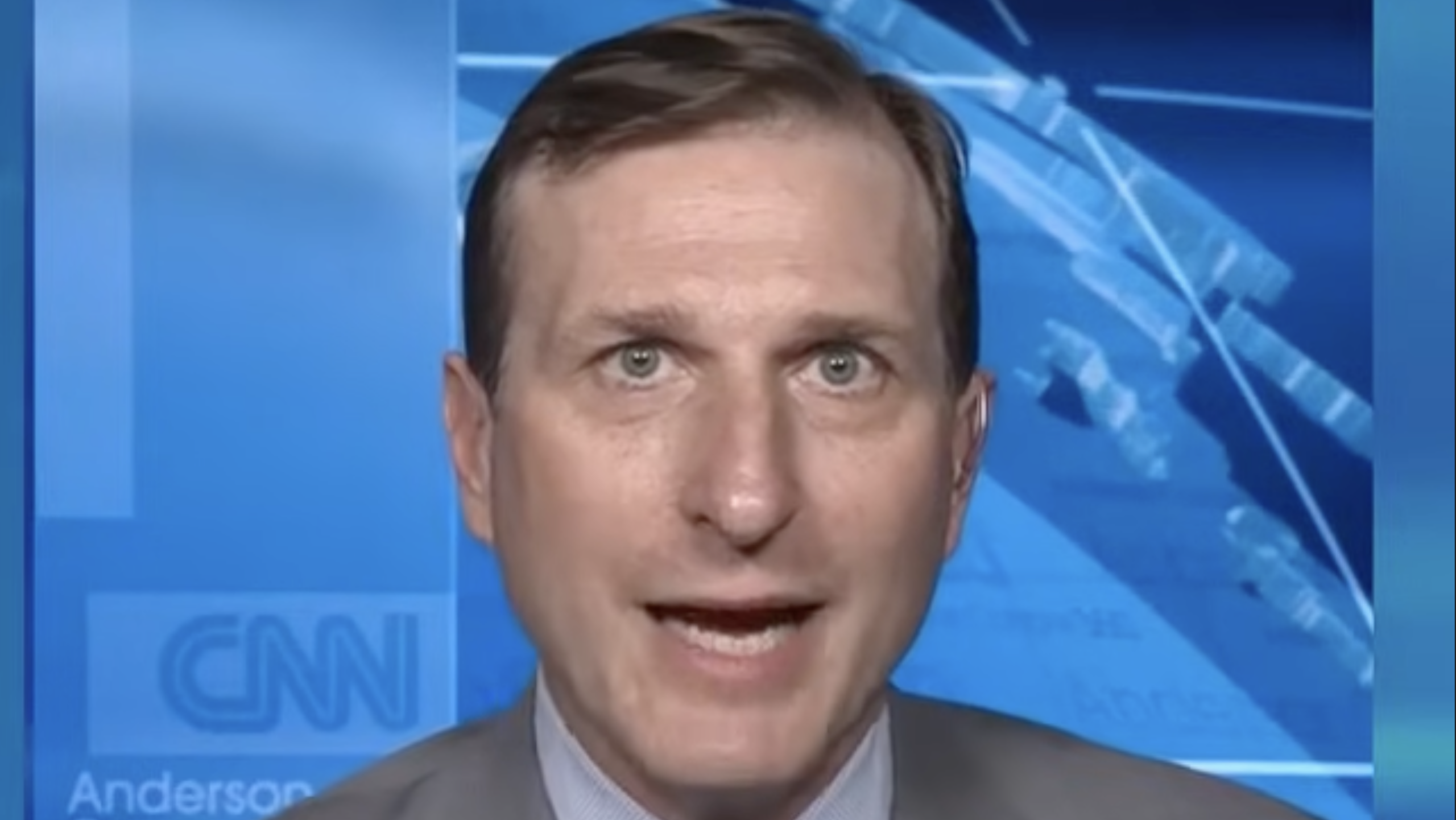

U.S. Representative Dan Goldman (D-NY) is calling for sweeping federal legislation to regulate artificial intelligence, warning that government use of advanced AI systems without independent oversight could undermine Americans’ privacy, safety, and civil liberties. His comments, posted on X on Friday, come amid expanding ties between major AI developers and the U.S. defense establishment, raising new concerns in Washington over accountability in classified AI deployments.
Goldman’s post directly challenged the idea that classification can be used to limit scrutiny of government AI use. “Classification cannot be a shield to avoid public accountability,” he wrote. He argued that permitting the government “to use AI tools for ‘any lawful purpose’ without independent oversight is an invitation to weaponize them.”
He added a broader warning about regulatory urgency, stating: “Congress must pass serious legislation on AI to protect Americans’ privacy, safety, and civil liberties from government overreach.” The framing placed particular emphasis on preventing unchecked expansion of AI systems inside federal agencies without clear legal guardrails or external review mechanisms.
The post reflects growing concern among lawmakers that fast-moving AI integration into national security systems is outpacing existing oversight structures. Goldman’s remarks specifically focused on the risks of government discretion expanding faster than legislative safeguards, particularly as AI tools become more deeply embedded in classified and defense-related operations.
His comments come against the backdrop of a rapidly expanding relationship between leading technology firms and the U.S. Department of Defense, now renamed the Department of War by President Donald Trump. According to reporting from Reuters, companies including Alphabet’s Google, OpenAI, and xAI have entered agreements to provide AI models for classified government use.
Those agreements reportedly allow the Pentagon to use commercial AI systems for “any lawful government purpose,” including sensitive applications involving classified networks. Such networks are used for mission planning and, in some cases, weapons targeting and other high-security defense functions, underscoring the stakes of AI deployment in military contexts.
The contracts, valued at up to $200 million each in some cases, reflect a broader Pentagon push in 2025 and 2026 to integrate large-scale AI systems into national security infrastructure. The shift has raised questions in policy circles about how safety standards, transparency rules, and audit mechanisms apply once commercial models are moved into classified environments.
Goldman’s warning aligns with these concerns, particularly around the potential for AI systems to be repurposed beyond their original safety constraints. He pointed to the risk that classification frameworks could limit public and congressional visibility into how these systems are actually being used once deployed inside government networks.
The defense agreements also include language requiring AI systems not to be used for domestic mass surveillance or autonomous weapons without appropriate human oversight and control. However, they simultaneously specify that companies do not retain the right to veto lawful government operational decisions, a provision that has fueled debate over how meaningful private-sector safeguards remain once systems are deployed.
A spokesperson for Google has previously said the company supports government agencies across both classified and non-classified work and remains committed to principles opposing domestic mass surveillance and fully autonomous weapons without human oversight. The company has also described its approach as aligning with “industry-standard practices and terms” for supporting national security applications.
Tensions between AI developers and defense agencies have surfaced in prior negotiations. Earlier in 2026, Anthropicfaced friction with the Pentagon after refusing to remove safety guardrails related to autonomous weapons and surveillance use cases, highlighting divisions within the AI industry over how permissive government access should be.
The broader policy debate has intensified as AI companies increasingly become core infrastructure providers for government systems. Critics, including lawmakers like Goldman, argue that without statutory limits, rapid adoption risks normalizing opaque decision-making in areas that affect civil liberties and national security.
Goldman, a former federal prosecutor and former lead majority counsel in the first impeachment inquiry against President Donald Trump, currently serves on the House Oversight and Accountability Committee as well as a subcommittee focused on the “weaponization of the federal government.” His legislative focus has included government transparency, anti-corruption measures, and protections for democratic institutions.
His latest remarks position artificial intelligence regulation as an extension of those priorities, framing AI governance not only as a technological issue but as a constitutional and civil liberties concern. The emphasis on oversight reflects a broader push among some lawmakers to ensure AI systems deployed in government contexts are subject to enforceable constraints rather than voluntary industry standards.
As federal agencies deepen their reliance on commercial AI systems, Goldman’s statement adds to growing pressure in Congress to define clear rules governing transparency, accountability, and permissible use cases. With defense applications expanding and commercial partnerships accelerating, the debate over how to balance national security with civil liberties is expected to remain central to AI policy discussions in Washington.

 By
By


 By
By