
Video games have come a long way since their earliest experiments in the mid-20th century. While modern gaming features complex graphics and massive online worlds, the origins of the medium trace back to simple experiments, early computer demonstrations, and scientific curiosities. These pioneering projects helped establish the foundations of interactive entertainment.
Pong (1972)
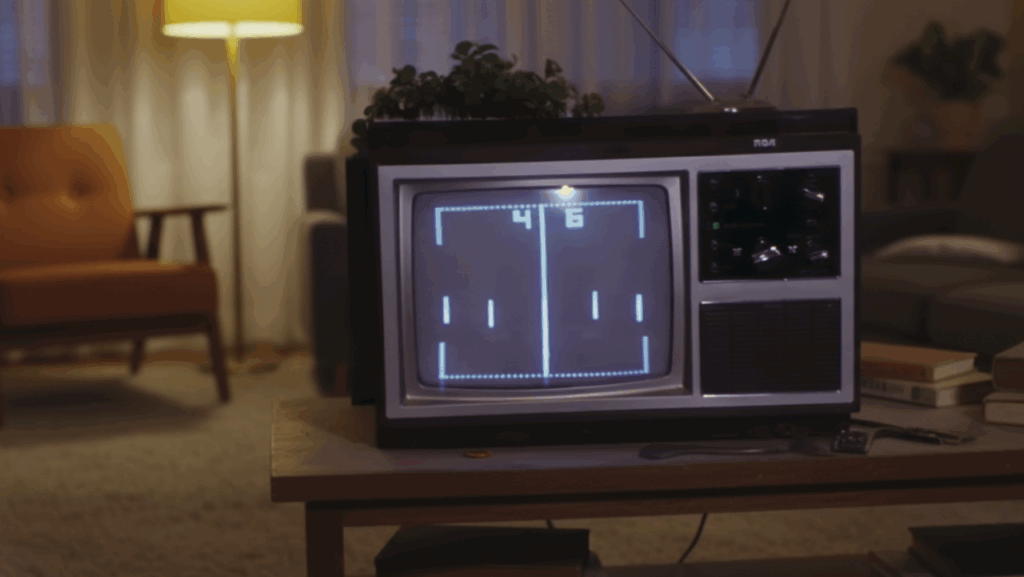
Created by Atari co-founder Nolan Bushnell and designed by Allan Alcorn, Pong simulated table tennis with two paddles and a bouncing ball. Released in arcades, it quickly became a cultural sensation thanks to its simple but addictive gameplay.
While not the first video game ever made, Pong was the first to achieve mainstream commercial success. Its popularity helped launch the video game industry and established arcade gaming as a global phenomenon.
Hamurabi (1968–1971)

Hamurabi is a text-based resource management game inspired by The Sumerian Game. Players manage land, food, and labor to keep a population fed and thriving across several turns.
Its minimal interface and straightforward decision-making helped establish early turn-based strategy mechanics. Because of its portability and simplicity, it became widely copied on early computers.
The Sumerian Game (1964)
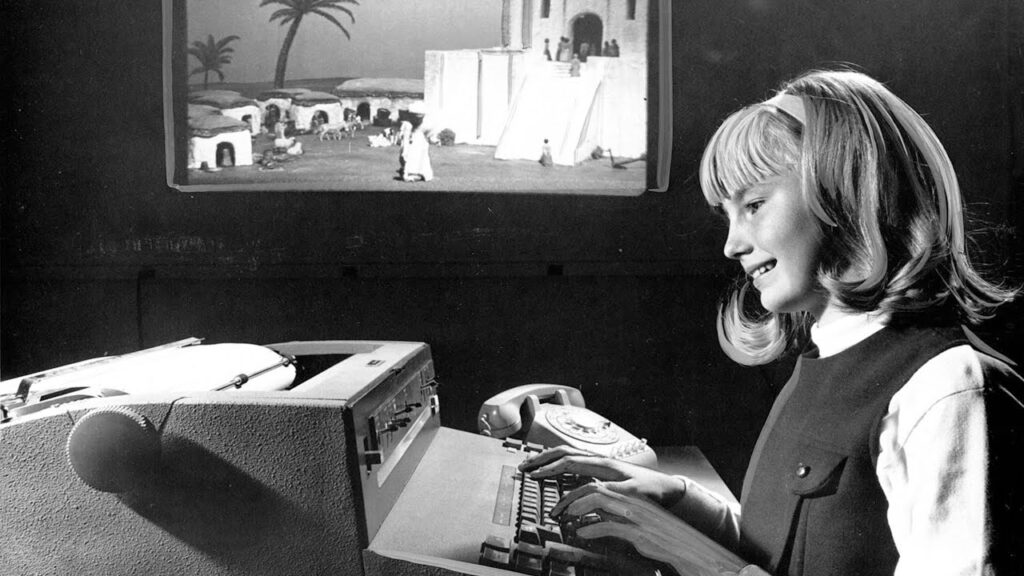
Developed by Mabel Addis and programmed by IBM’s William McKay, The Sumerian Game is considered one of the earliest narrative and educational computer games. Players act as a Sumerian ruler making decisions about agriculture and resources.
Although text-based, it was ahead of its time in storytelling and decision-driven gameplay. It laid the foundation for later strategy and simulation games.
Space Travel (1969)
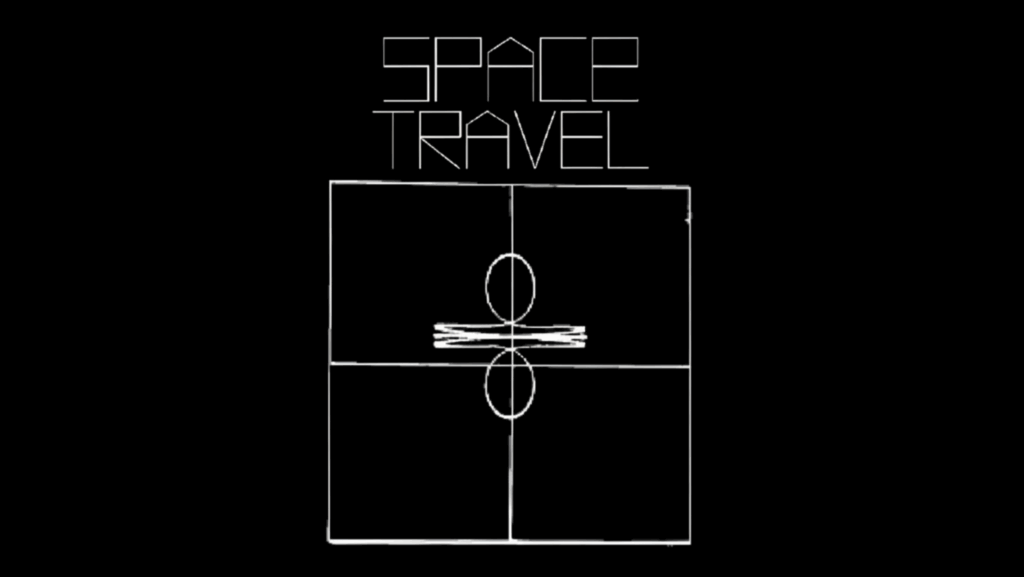
Created by Ken Thompson, Space Travel simulated maneuvering through the solar system with realistic physics. Thompson ported it to early Unix systems, helping influence the development of Unix itself.
The game is historically significant not only as an early space simulation but also because its development shaped the evolution of modern operating systems.
Spacewar! (1962)

Developed by Steve Russell and fellow MIT students for the DEC PDP-1, Spacewar! featured two spaceships battling in a gravitational field. Its physics-based movement and engaging gameplay made it a technical marvel for its time.
Spacewar! spread across university computer labs and became the first game to gain a broad community following. It directly inspired the first generation of commercial arcade games.
Mouse in the Maze (1959–1961)
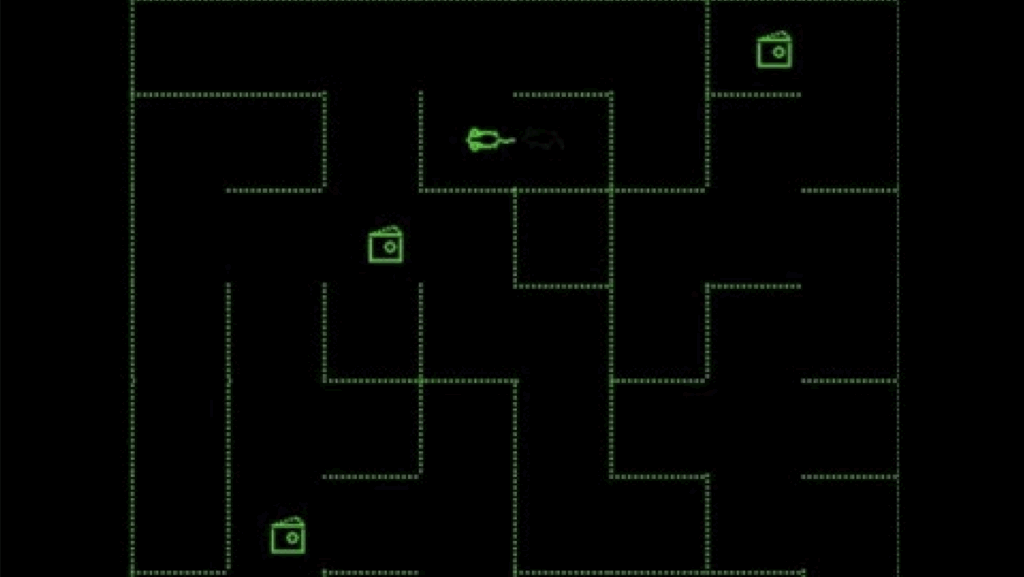
Developed at MIT for the TX-0 computer, Mouse in the Maze allowed users to draw a maze with a light pen and watch a digital mouse navigate it. Players could place items such as cheese or martinis for the mouse to locate.
The program showcased early graphical interaction and user-created content, both of which later became fundamental elements in game design.
Tennis for Two (1958)

Created by physicist William Higinbotham, Tennis for Two was displayed on an oscilloscope and allowed two players to control a dot simulating a tennis ball. It was designed to entertain visitors at Brookhaven National Laboratory.
The game was a hit at public exhibitions and demonstrated that computers could be used for fun, interactive experiences beyond scientific calculation.
OXO (1952)

Alexander S. Douglas developed OXO—also known as Noughts and Crosses—for the EDSAC computer at the University of Cambridge. It displayed a graphical tic-tac-toe board on a CRT screen and accepted input via a rotary dial.
OXO is often recognized as the earliest true video game with screen-based graphics, even though it wasn’t accessible to the public. It demonstrated early potential for graphical computer entertainment.
NIMROD (1951)
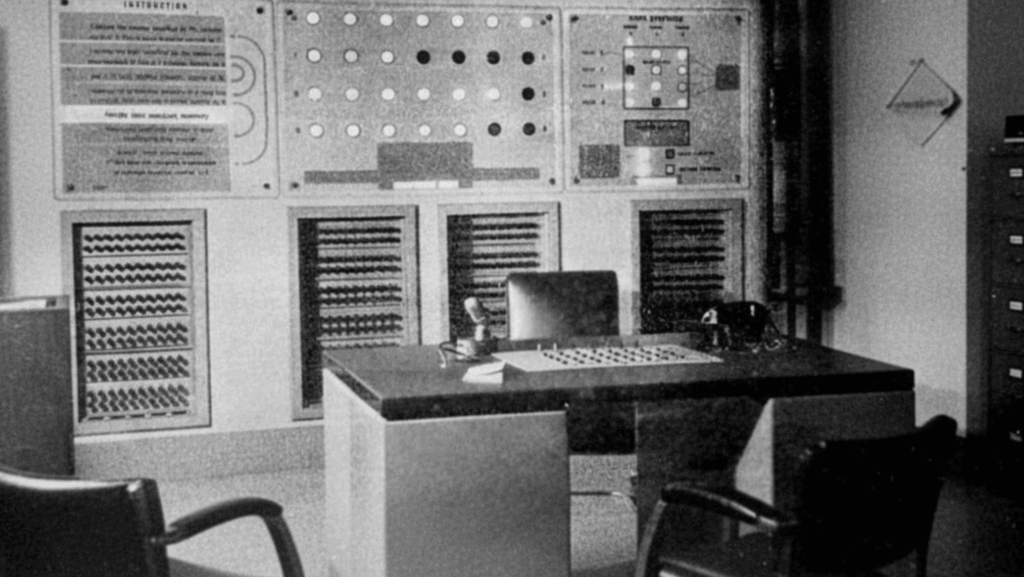
NIMROD was a specialized computer created by Ferranti for the 1951 Festival of Britain. It was designed exclusively to play NIM, a mathematical strategy game. Visitors could compete against the machine, though it almost always won.
While lacking modern graphics, it was the first digital machine built explicitly to play a game, making it a key milestone in the history of interactive computing.
Cathode-Ray Tube Amusement Device (1947)
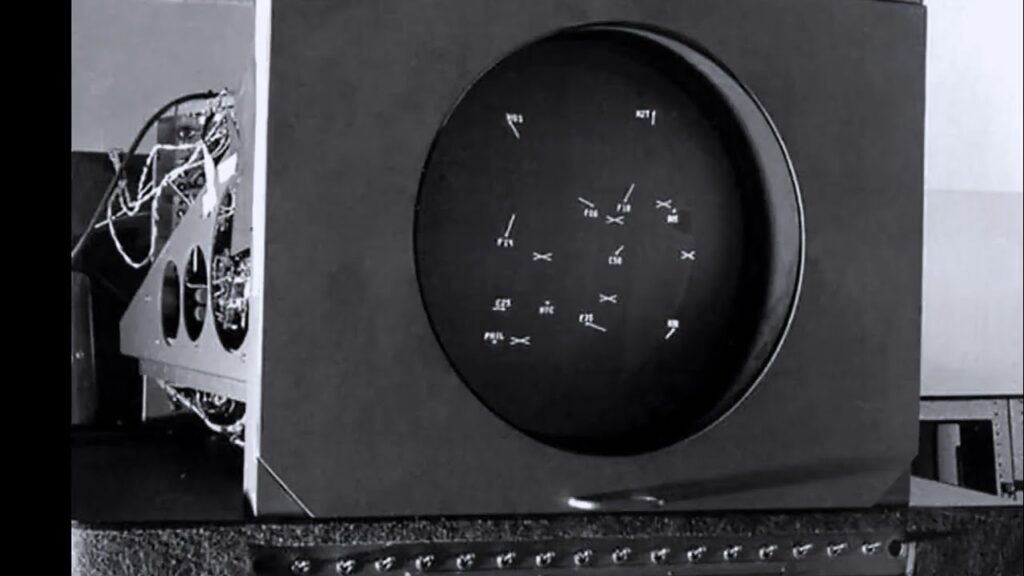
The Cathode-Ray Tube Amusement Device, created by Thomas T. Goldsmith Jr. and Estle Ray Mann, is widely regarded as the earliest known electronic game. Using knobs and overlays on a CRT screen, players simulated firing missiles at moving targets.
Although it was never manufactured commercially, its 1947 patent marks it as the oldest of all known video game precursors. It established the earliest concepts behind screen-based interactive play.


 By
By


 By
By