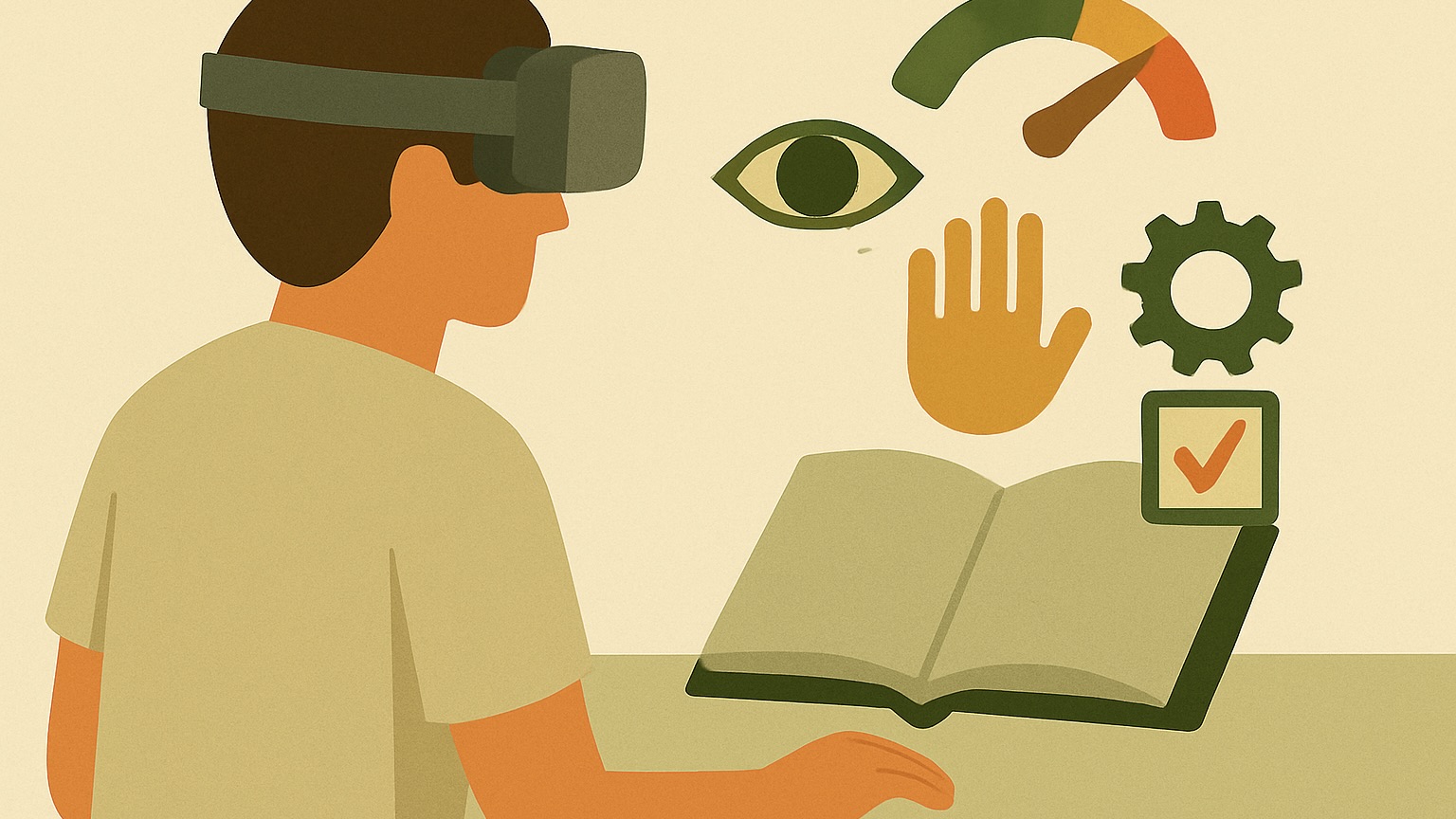

Jason Jerald’s The VR Book is a cornerstone for anyone serious about creating meaningful VR experiences. It emphasizes the importance of designing with the user in mind, covering topics like perception, interaction, and the causes of VR sickness. Jerald argues that without a clear understanding of the human side of VR, the experience will always fall short (ACM Digital Library).
This book serves as a comprehensive guide, offering over 600 applicable guidelines and more than 300 additional references. It’s not just about the technology; it’s about how users perceive and interact with virtual environments. For developers and designers, it’s an essential resource that bridges the gap between technical possibilities and user-centered design (Amazon).
Snow Crash: The Novel That Predicted the Metaverse
Neal Stephenson’s Snow Crash isn’t a technical manual, but its influence on the VR world is undeniable. Published in 1992, the novel introduced the concept of the “Metaverse,” a fully immersive virtual world that has inspired tech giants like Meta and Google (Vanity Fair). The term “avatar,” now commonplace in digital spaces, also gained popularity through this book.
While Snow Crash is a work of fiction, its foresight into virtual reality’s potential and societal implications has made it a touchstone for technologists and futurists alike. It’s a narrative that has shaped the aspirations and directions of VR development, making it a seminal work in the field.
Honorable Mentions: Other Influential Works
While The VR Book and Snow Crash are standout titles, other works have also contributed to the VR discourse. Vernor Vinge’s True Names is one such example, exploring the concept of cyberspace and identity in a virtual world. Similarly, William Gibson’s Neuromancer introduced the term “cyberspace” and delved into the possibilities of a connected digital realm (True Names, Neuromancer).
These works, among others, have collectively shaped our understanding and expectations of virtual reality. They offer insights not just into the technology, but into the human experiences and societal changes that VR can bring about.
Why These Books Still Shape VR Today
In summary, The VR Book provides a practical, user-centered approach to VR design, making it indispensable for developers. On the other hand, Snow Crash offers a visionary glimpse into the potential of virtual worlds, influencing the conceptual frameworks within which VR has evolved. Together, they represent the technical and imaginative pillars that continue to support and inspire the virtual reality landscape.


 By
By

 By
By