
In modern warfare, cost is no longer a simple metric of capability. As commercial drones become cheaper and more sophisticated, they are increasingly capable of threatening high-end fighter jets, helicopters, and missile systems worth tens of millions of dollars. A $500 drone can now pose a serious risk to platforms that cost $50 million or more, creating a new strategic challenge for militaries worldwide.
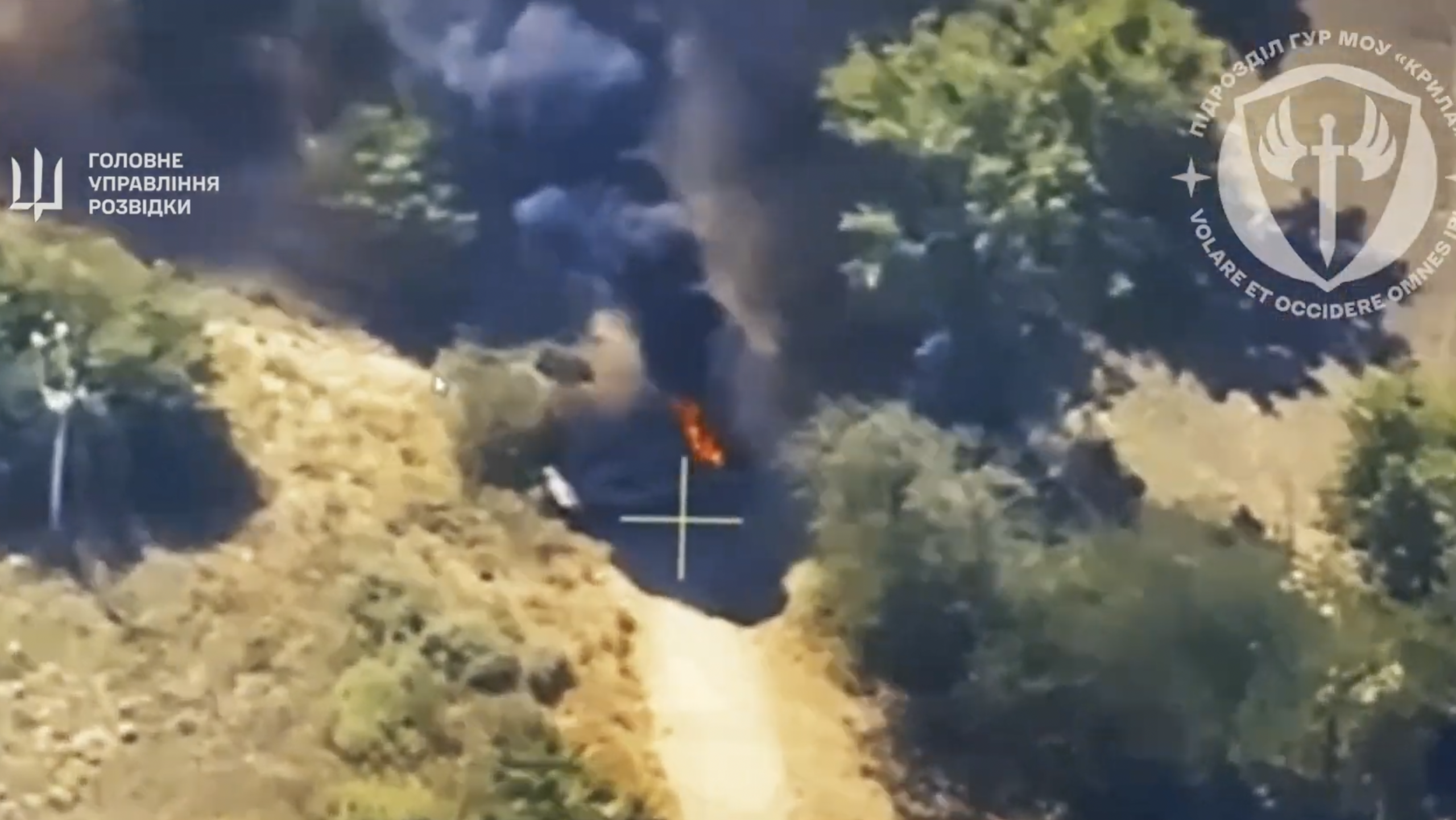
The conflict in Ukraine has emerged as a testing ground for inexpensive, off-the-shelf drones adapted for military use. Drones costing just a few hundred dollars are being modified to carry explosives, serve as spotters, or execute precision strikes. In one widely circulated video, a $500 drone reportedly destroyed a Russian Tor air defense system valued at $10 million. The drone reportedly flew undetected and struck its target without relying on satellite guidance or high-end targeting systems.
Warriors of the Kryla (Wings) special unit at Ukrainian Defense Intelligence have destroyed a Russian 9K33 Osa anti-aircraft missile complex.
— Anton Gerashchenko (@Gerashchenko_en) October 6, 2024
It is worth about $10 million and was shot down with an FPV drone worth several hundred dollars.
Glory! pic.twitter.com/1e3PbGubOu
The threat posed by drones extends beyond individual attacks. Military strategists emphasize that swarms of low-cost unmanned aerial vehicles can overwhelm advanced air defense systems built to counter traditional aircraft and missile threats. Former U.S. Air Force officials have warned that even billion-dollar jet fleets are vulnerable to small, plastic-bodied drones guided by simple applications or commercial control systems. The potential for coordinated drone attacks forces militaries to reconsider the defensive balance between cost and capability.
One of the greatest challenges is economic. Using a $100,000 missile to destroy a $500 drone creates an unsustainable cost imbalance. Defense planners are now exploring affordable counter-drone solutions that can be deployed at scale. According to Breaking Defense, new technologies are being developed to equip individual soldiers with inexpensive tools capable of neutralizing drones in the field, shifting the defensive focus from high-cost interceptors to widespread, low-cost mitigation.
The proliferation of low-cost drones is reshaping military strategy far beyond Ukraine. Nations including Israel, Iran, and others are developing drone swarms for reconnaissance, jamming, and direct attack roles. The rise of these systems could force large aircraft carriers, bombers, and fighter jets to operate at greater distances from conflict zones to reduce vulnerability. The cost-effectiveness of drones is challenging traditional notions of air superiority and may require militaries to rethink the deployment and protection of high-value assets.
Drones are no longer a futuristic concept—they are actively transforming the battlefield. The mismatch between low-cost unmanned systems and multi-million-dollar military platforms highlights a growing strategic dilemma: a small investment in unmanned technology can now deliver outsized effects in modern combat.

 By
By


 By
By
 By
By