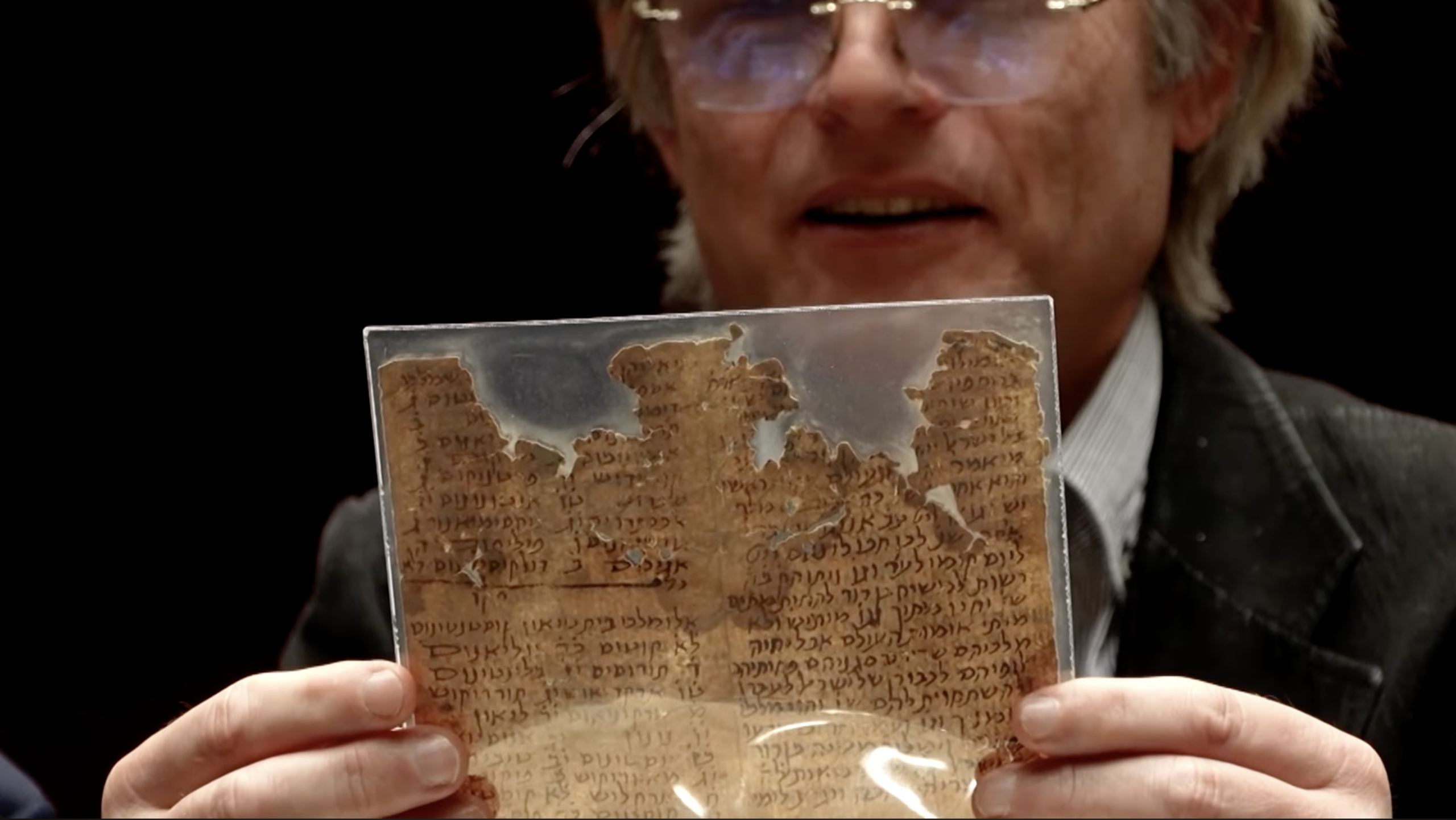

Artificial intelligence is helping scholars unlock centuries of Jewish history by automatically reading and transcribing medieval Hebrew manuscripts that have remained largely inaccessible to researchers.
Bar-Ilan University in Israel received a 10 million euro grant from the European Research Council to develop AI technology that can automatically decipher handwritten Hebrew texts from the Middle Ages. The project aims to enable full-text searches of the entire corpus of medieval Hebrew manuscripts for the first time, which researchers say will revolutionize Jewish studies.
While optical character recognition (OCR) of printed material has become commonplace, deciphering individual medieval handwritings has remained out of reach, especially for less common alphabets like Hebrew. Each scribe had unique handwriting, and manuscripts span different regions and time periods across more than a thousand years.
Making Ancient Texts Searchable
The National Library of Israel announced that this computational analysis will transform how scholars access historical documents. Previously, researchers had to manually read through manuscripts to find specific texts or passages, a process that could take years for comprehensive research.
Princeton University has also been working on similar technology since February 2021, using machine learning to transcribe documents from the Cairo Geniza — a collection of Jewish manuscript fragments discovered in a Cairo synagogue, some dating back over 1,000 years. The project partners with École Pratique des Hautes Études in Paris using the digital paleography framework e-Scriptorium.
The Technology Behind the Breakthrough
The AI systems use machine learning algorithms trained on thousands of manuscript images paired with their known transcriptions. Over time, the algorithms learn to recognize letter patterns, word structures, and the unique characteristics of different scribal hands.
This technology can handle the particular challenges of Hebrew manuscripts, including varying handwriting styles across centuries, regional differences in letter formation, and texts written without vowel markings.
Ben-Gurion University researchers have also developed AI tools to reconstruct illegible or damaged letters and words in ancient Hebrew and Aramaic inscriptions, helping to recover text that was previously considered lost.
Impact on Jewish Studies
Scholars say the technology will democratize access to Jewish historical texts and accelerate research that previously required specialized paleography training and countless hours of manual transcription work.
The AI tools are expected to make it possible for anyone with Hebrew reading skills to search and study these valuable historical documents, opening new avenues for understanding Jewish history, law, literature, and culture from the medieval period.


 By
By



 By
By