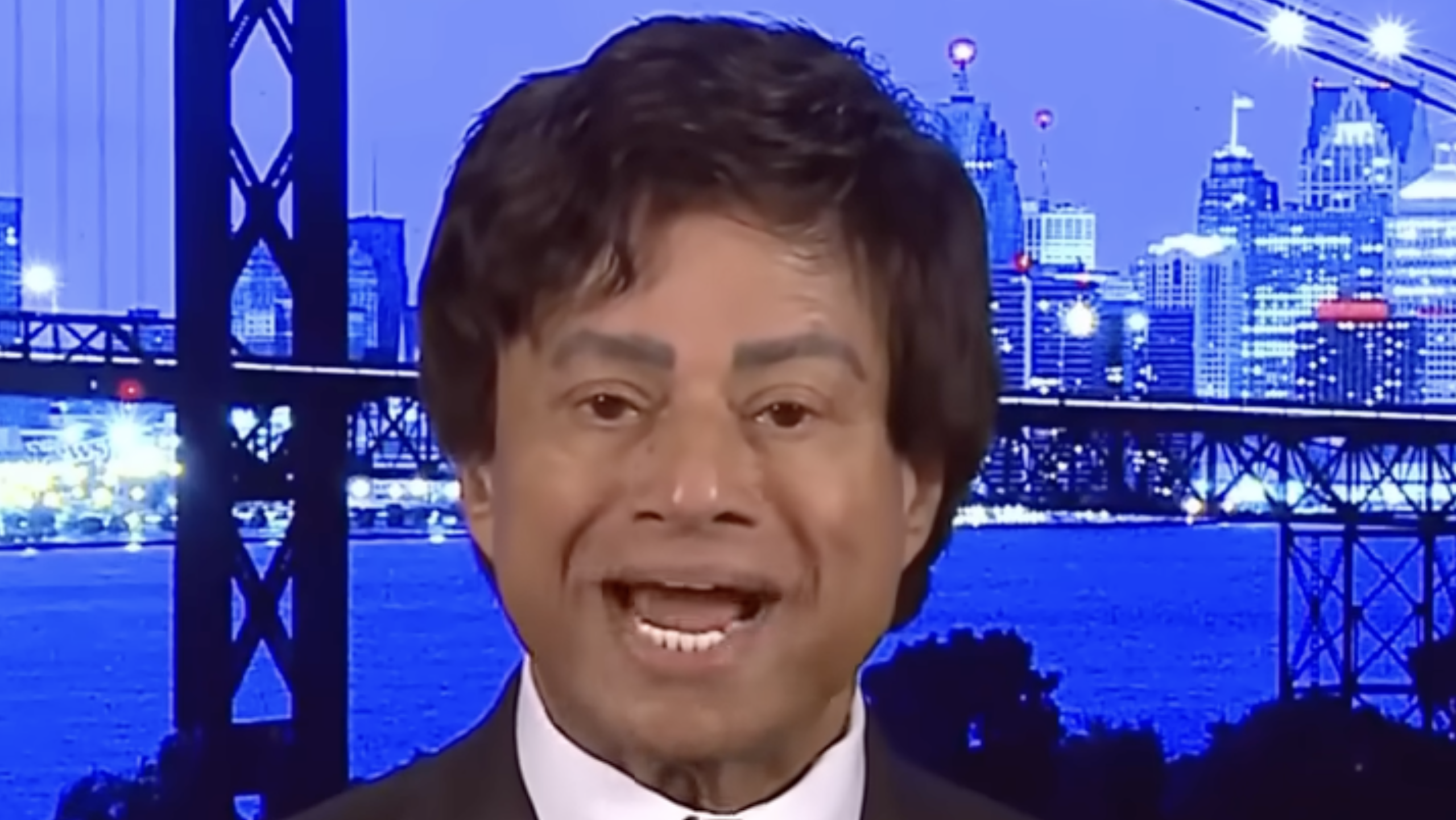

Rep. Shri Thanedar posted on X on April 30, 2026, announcing his vote against the Foreign Intelligence Surveillance Act (FISA), framing the legislation as a threat to digital privacy and civil liberties at a time when surveillance policy is increasingly intersecting with AI-driven intelligence tools. The statement and accompanying video positioned his opposition around concerns that expanded intelligence authorities could be used to monitor American citizens’ communications and personal data.
In his post on April 30, 2026, Thanedar wrote: “I won’t give the President another tool to invade the privacy of the American people.” The message directly tied his “no” vote to concerns about executive power and surveillance authority, suggesting that the legislation could expand the federal government’s ability to access private information under the banner of national security.
In the video accompanying the post, Thanedar expanded on his reasoning, stating: “I just voted no on the Surveillance Act. You know, the Trump administration with its unconstitutional activities, total disregard for law and Constitution, total disregard for due process. I cannot let them give them another tool to spy on American citizens, to invade American citizens’ privacy. So a strong no on the FISA Act just now. I just voted no.” His remarks framed the vote as a response to what he described as expanded surveillance risk and weakened constitutional safeguards.
The Foreign Intelligence Surveillance Act, first enacted in 1978, establishes a legal framework for government agencies to conduct foreign intelligence collection through methods such as electronic surveillance, physical searches, and access to certain business records. It also created the Foreign Intelligence Surveillance Court, which reviews and approves classified surveillance requests, typically through ex parte proceedings. Over time, FISA has been expanded to include additional intelligence tools and procedures, including provisions governing bulk data collection and targeting of non-U.S. persons abroad.
The law has become a focal point in ongoing debates over modern surveillance infrastructure, particularly as intelligence systems increasingly rely on large-scale data analysis and automated processing. Provisions such as Section 702 allow for programmatic collection of foreign intelligence information that may transit U.S. communications networks, raising concerns among privacy advocates about incidental collection of Americans’ data and the downstream use of query-based searches by federal agencies. These issues have made FISA a recurring point of tension between national security objectives and digital privacy protections.
Thanedar’s statement situates the FISA debate within a broader technology and governance context, where surveillance authorities intersect with emerging AI capabilities used for data filtering, pattern recognition, and intelligence analysis. His opposition reflects a broader political divide over how much access government agencies should have to communications infrastructure and whether existing oversight mechanisms are sufficient to prevent misuse in an era of rapidly evolving surveillance technology.

 By
By


 By
By