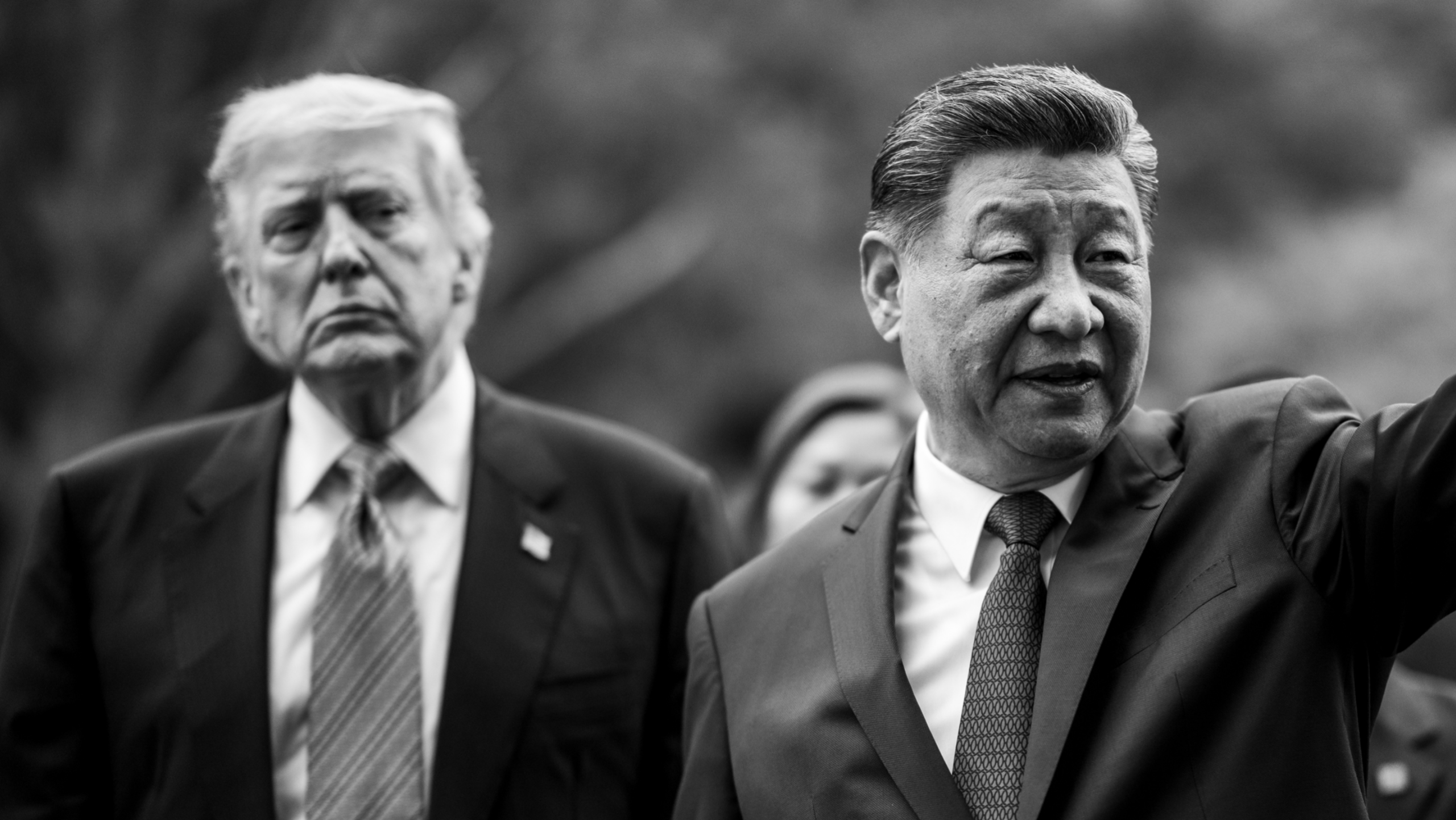

President Donald Trump returned from his state visit to Beijing this week with an unusual diplomatic trophy: a claim that Chinese President Xi Jinping had privately expressed deep admiration for the United States military — and a candid admission, delivered directly to Xi’s face, that American intelligence services conduct operations inside China that Beijing has not been able to detect.
What Trump Said at the White House
Speaking at the Healthcare Affordability Event on May 18, Trump pivoted from a defense of the Iran campaign to describe what he said took place during his three-day summit with Xi, which concluded May 15. “I just left China,” Trump told reporters, “and I will say President Xi was very complimentary of our military. He was amazed. The greatest military in the world.” Trump folded the characterization into his broader argument about American dominance demonstrated through Operation Epic Fury — using Xi’s reported reaction as external confirmation of a claim he has made consistently since the Iran campaign began.
What Trump Told Xi Directly
The more striking disclosure came aboard Air Force One on Trump’s return flight, when he was asked whether he raised China’s cyberattack activity during their bilateral discussions. Trump confirmed he had. “I did. And he talked about attacks that we did in China. Y’know, what they do, we do too,” Trump said. “We spy like hell on them too.” He went further: “I told him, ‘We do a lot of stuff to you that you don’t know about and you’re doing things to us that we probably do know about.'” The statement amounted to a president telling a rival head of state, face to face, that U.S. intelligence and cyber capabilities are operating inside Chinese systems at a level Beijing has not been able to identify.
The Summit Itself
The May 14–15 Beijing summit was Trump’s first state visit to China since 2017 and the first visit by an American president to the country in nearly nine years, delayed from its original April date by the ongoing Iran war. China’s official Ministry of Foreign Affairs readout focused on Xi’s call for a “constructive China-U.S. relationship of strategic stability,” with no public reference to Xi’s assessment of U.S. military performance or the cyber exchange Trump described. The Iran conflict was a central topic, with both governments confirming it was discussed. Trump said Xi pledged not to supply military equipment to Iran and offered assistance in resolving the conflict.
The Cyber Posture Behind the Confidence
Trump’s confidence in asserting U.S. intelligence superiority to Xi directly reflects a documented record of American cyber capability. Gen. Caine has publicly described a pattern across recent U.S. military operations in which Cyber Command and Space Command serve as first movers, layering digital effects ahead of conventional strikes — a posture Caine has signaled reflects a deliberate institutional choice to treat cyber as an embedded, not covert, element of combat operations. In the Iran campaign specifically, Israeli and American cyber units reportedly infiltrated Iranian surveillance networks and used AI to lay the groundwork for the strike on Khamenei. The Trump administration has also been building out offensive cyber capabilities as tools to be deployed against entities deemed threats to the United States, according to a counterterrorism strategy released in May 2026.
The Precautions That Told Their Own Story
Even as Trump characterized the summit as warm and productive, the security posture of the U.S. delegation communicated a different assessment of Chinese capabilities. U.S. security officials ordered all burner phones and items received in China to be destroyed before boarding Air Force One, and members of the press traveling with Trump were instructed to dispose of any China-issued items due to concerns about surveillance devices. The precautions amounted to an operational acknowledgment that Chinese intelligence collection is sophisticated enough to warrant extraordinary countermeasures — even during a summit described publicly as a breakthrough for bilateral relations.
China’s Official Silence
Whether Xi expressed the specific admiration for U.S. military capability that Trump described has not been confirmed in any Chinese government communication. Beijing’s readouts from the summit were focused on trade, Taiwan, and strategic stability. Trump’s description of Xi as “amazed” fits a consistent rhetorical pattern: since Operation Epic Fury launched, Trump has repeatedly cited the reactions of foreign leaders — allies and rivals alike — as validation of American technological and military superiority. On May 18, the president added Xi Jinping specifically to that list.

 By
By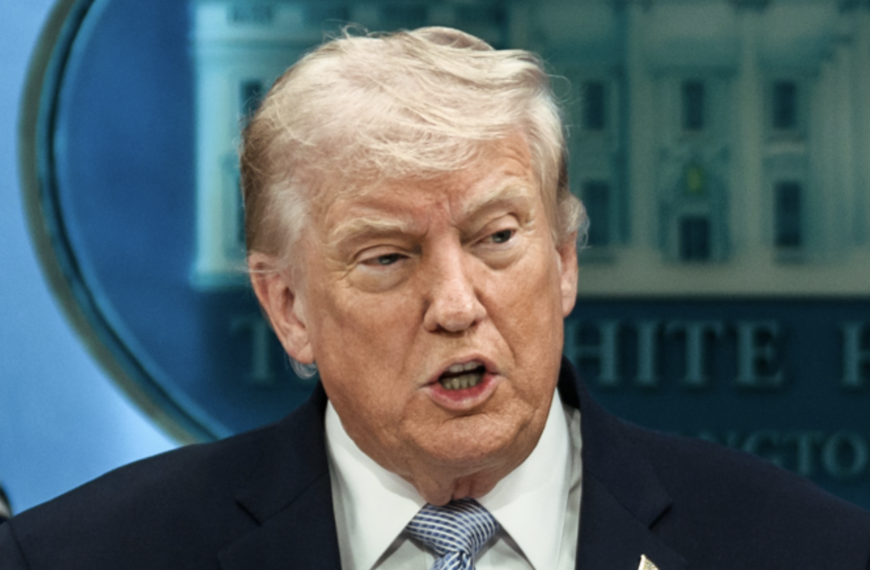

 By
By