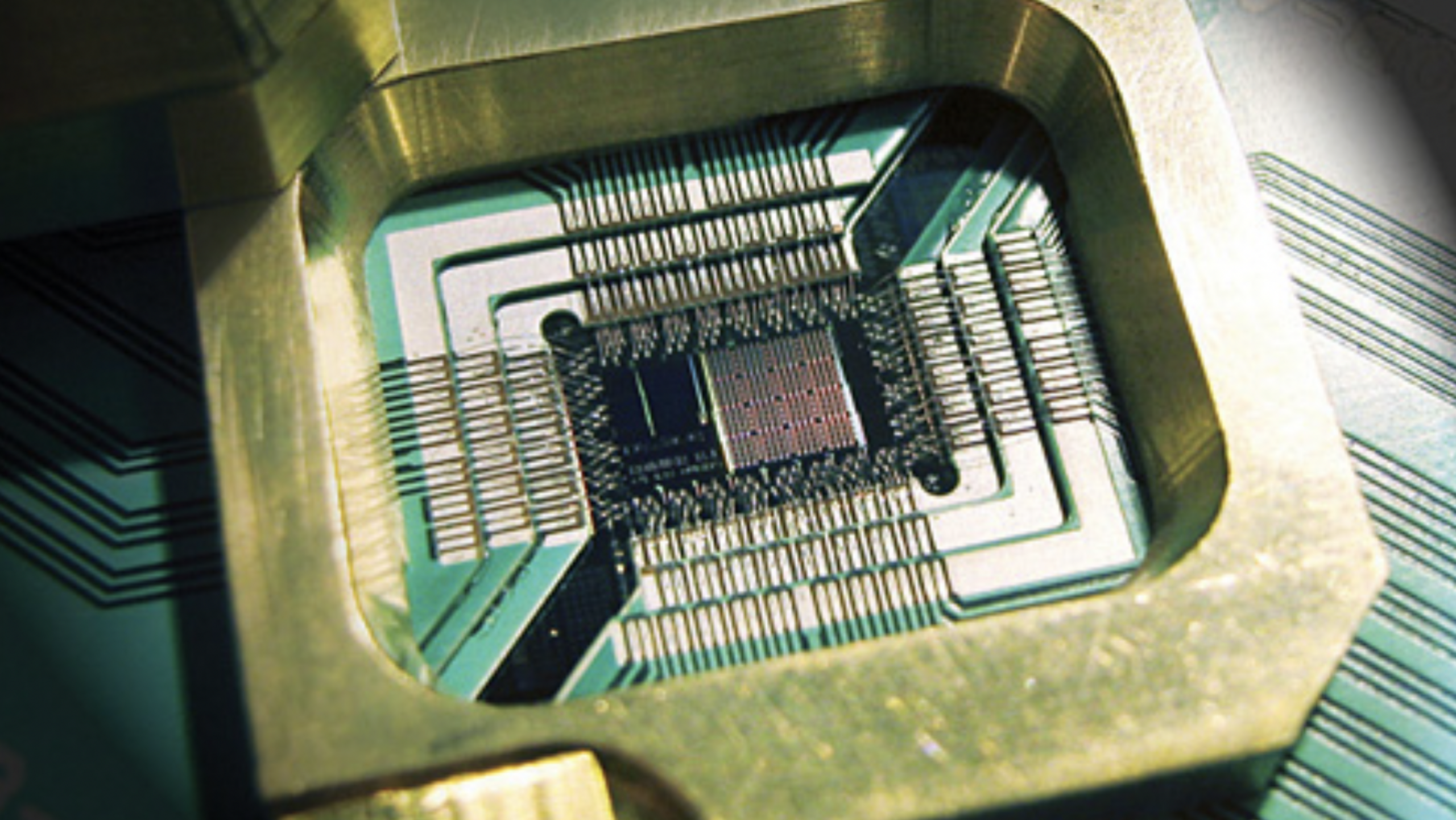

Quantum computing, long considered a theoretical breakthrough, is making measurable progress toward practical applications. Advances in error correction and hardware stability are addressing key limitations that have slowed development.
Unlike classical computers, quantum systems use quantum bits, or qubits, which can exist in multiple states simultaneously. This allows them to solve certain complex problems more efficiently, particularly in fields such as cryptography and materials science.
🔊 Quantum computing could soon be leaping forward, Microsoft says. How close are we to practical use of quantum computers? @StephenNellis explains on the latest episode of the Reuters World News podcast https://t.co/yenKSisG1l pic.twitter.com/vHiAuiNZZ0
— Reuters (@Reuters) February 21, 2025
Recent demonstrations have shown improved coherence times, meaning qubits can maintain their state longer. This is critical for performing meaningful calculations and scaling systems beyond experimental setups.
Technology companies and research institutions are collaborating to build hybrid systems that combine classical and quantum computing. These approaches aim to bridge the gap between current capabilities and future potential.
While widespread commercial use is still years away, progress is accelerating. Analysts note that early applications are likely to emerge in specialized industries before expanding into broader markets.


 By
By



 By
By