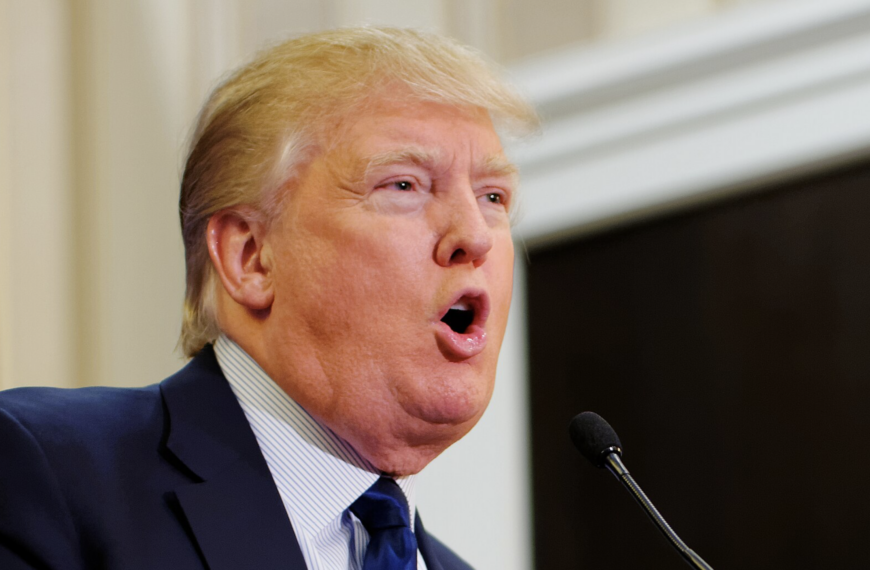
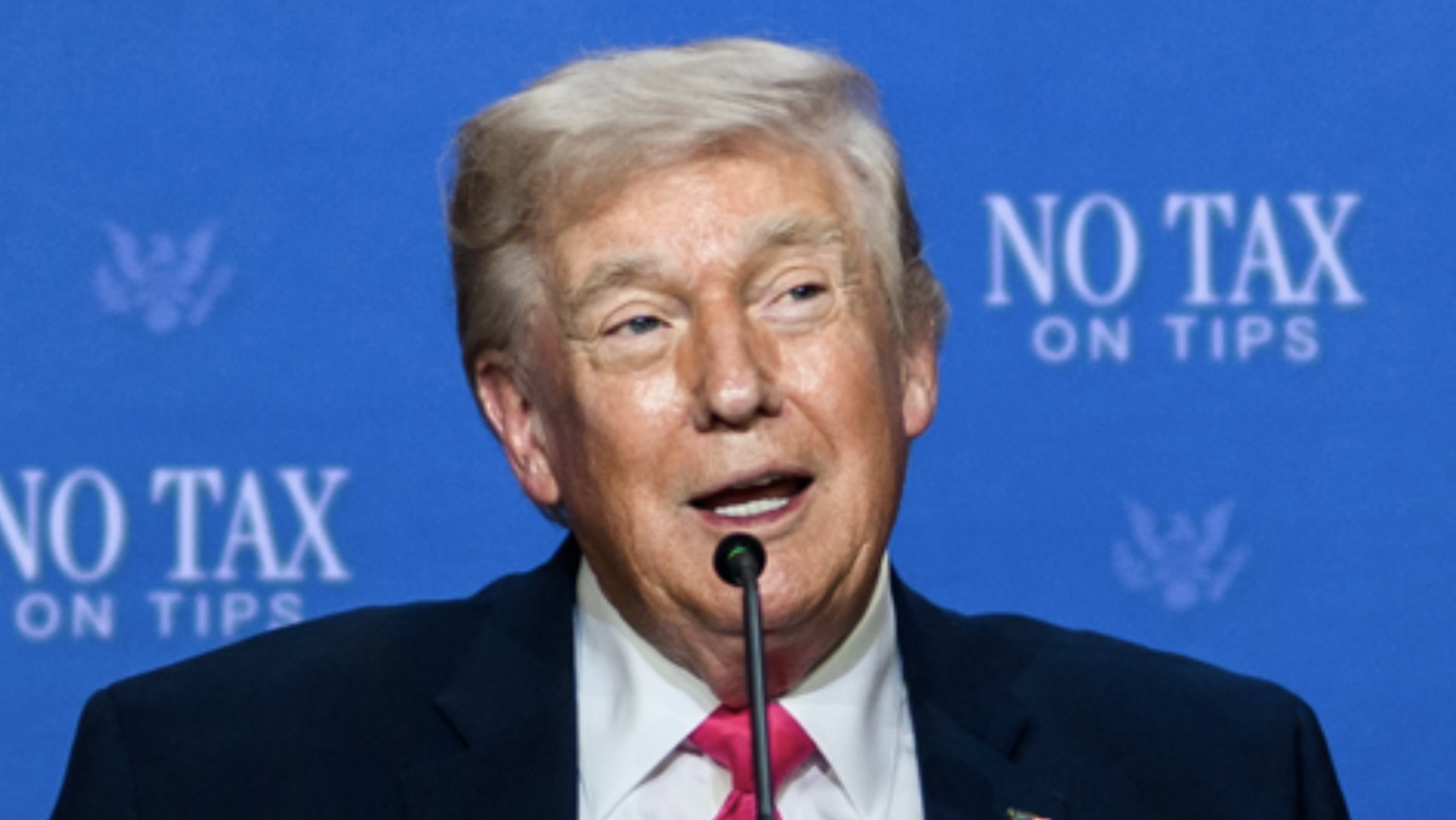

President Donald Trump addressed the potential for artificial intelligence to displace jobs during his remarks at the Small Business Summit held at the White House on May 4, 2026. While highlighting strong U.S. employment figures, Trump directly acknowledged concerns about AI’s impact on the workforce, offering a pragmatic assessment that balanced risks with broader economic opportunities. His comments come at a time of rapid AI advancement, positioning the technology as both a disruptor and a driver of progress in the innovation economy.
Trump pointed to robust labor market data as context for the discussion. He noted that jobless claims had reached their lowest level since 1969 and that more Americans were working than at any point in the nation’s history. This strong employment backdrop, he argued, underscored the resilience of the economy even as transformative technologies like AI reshape industries.
The president then turned explicitly to AI’s role. “Jobless claims just hit the lowest level since 1969 and more Americans are working today than at any time in history of our country. So we have more people working today than at any time in the history of our country. That’s a beautiful thing. What can be better than that? Some people say AI take our jobs. You’re probably right, maybe a little bit, but it’s going to create a lot of jobs,” Trump stated. He emphasized that current employment records effectively countered fears of widespread joblessness, framing AI adoption within a narrative of overall workforce growth.
Concerns about AI displacing workers have intensified across the technology sector in recent years. Industry forecasts, including projections from Boston Consulting Group, suggest that 10 to 15 percent of U.S. jobs could be eliminated over the next five years due to automation and AI, potentially impacting 17 to 25 million positions. Leaders in AI and robotics have openly discussed these shifts, with many predicting significant changes in sectors ranging from manufacturing to services.
Trump’s straightforward acknowledgment that AI could take jobs aligns with views expressed by other prominent figures in the innovation space. Just weeks earlier, on April 16, Elon Musk made a proposal for universal high income checks as a response to AI-driven unemployment. Musk argued that AI and robotics would generate such abundance that traditional scarcity concerns could diminish, enabling higher living standards through government-issued payments without inflationary pressure.
The president’s remarks at the summit stressed adaptation over alarm. He suggested that while some displacement was probable, AI would simultaneously generate new opportunities, particularly in emerging fields tied to technological leadership. This perspective reflects ongoing debates in tech circles about reskilling, productivity gains, and the creation of novel roles in AI development, deployment, and maintenance.
Trump reinforced the importance of U.S. competitiveness in AI as part of this transition. He described leading in the technology as “very important,” linking it to broader economic strength and the ability to sustain job growth amid innovation. His comments positioned AI not merely as a labor market challenge but as a critical industry for future prosperity.
The Small Business Summit provided a platform for Trump to connect these technological shifts with support for entrepreneurs. Policies highlighted during the event, including tax cuts, regulatory reductions, and incentives for capital investment, were presented as mechanisms to help small businesses navigate and capitalize on AI-driven changes.
Discussions around AI’s workforce impact continue to evolve. While some experts advocate for income supports like those proposed by Musk, others emphasize retraining programs and the creation of new job categories in high-tech manufacturing, data infrastructure, and AI ethics. Trump’s remarks contributed to this conversation by grounding optimism in current employment successes.
As AI capabilities advance, the interplay between job transformation and economic expansion remains a central focus for policymakers and industry leaders. Trump’s address at the White House underscored a forward-looking stance, recognizing potential disruptions while affirming the potential for net gains in employment and innovation across the American economy.

 By
By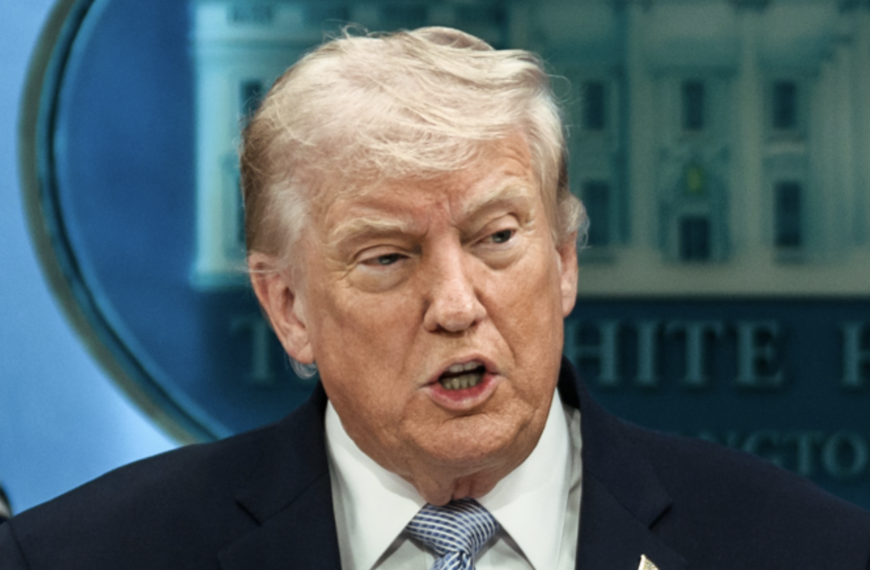

 By
By