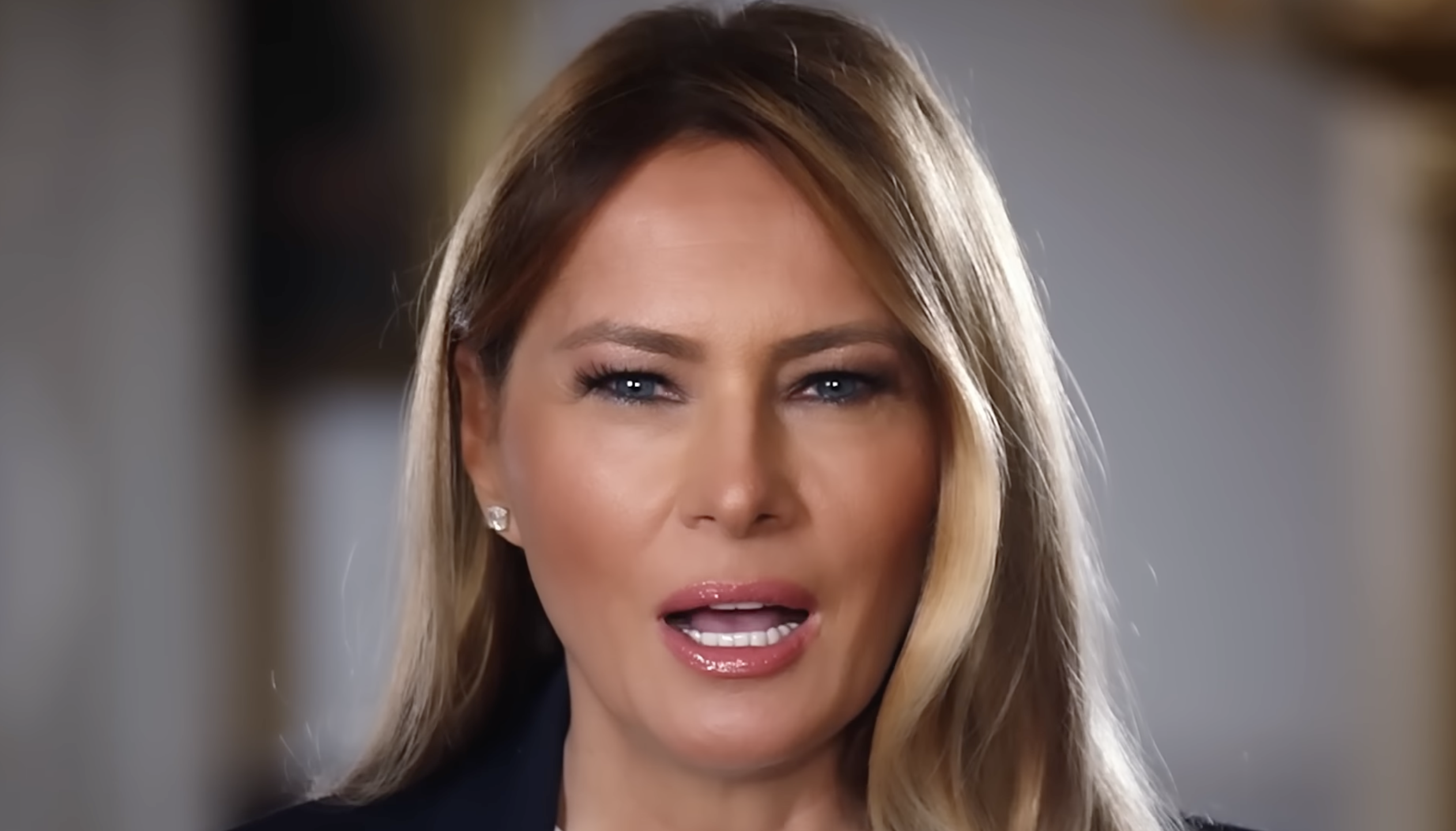

First Lady Melania Trump reinforced the growing role of advanced technology in education by hosting a unique cross-cultural program at the White House that blended artificial intelligence and virtual reality for American students. On April 28, 2026, students participated in an immersive session alongside the First Lady and Her Majesty Queen Camilla, exploring British and American history through cutting-edge tools. The event highlighted practical applications of AI and VR in making learning more accessible and engaging, aligning with broader efforts to prepare young people for a technology-driven future.
The program operated under the banner of Mrs. Trump’s Fostering the Future Together initiative, an extension of her BE BEST platform focused on empowering children globally through technology and education. Students, including several Presidential AI Challenge state champions, gathered at the White House Tennis Pavilion—one of the architectural projects from the 45th presidential administration—to experience history in new ways. Each participant wore a Meta Quest headset featuring the Fostering the Future Together logo alongside U.S. and U.K. flags.
Students first embarked on a fully immersive 360-degree virtual tour of iconic United Kingdom sites. They visited locations such as Snowdonia, Giant’s Causeway, Stonehenge, and the exterior of Buckingham Palace. This virtual exploration allowed them to gain deeper insights into geography, culture, and historical landmarks without leaving Washington, demonstrating how VR can transform traditional educational boundaries.
First Lady Melania Trump emphasized the potential of these technologies during the event. “Today, students all over the world can visit historically important sites, learn about the past, and be inspired,” she explained. “Our children don’t need to board airplanes to experience history anymore. Kids can have an educational experience that is fundamentally richer and more memorable than ever before, through VR and AI.”
The session continued with an interactive examination of historical artifacts using Meta’s artificial intelligence glasses. Mrs. Trump presented a selection of objects from the White House Collection and the National Archives and Records Administration, chosen to illustrate the enduring cultural and diplomatic ties between the United States and the United Kingdom. Participants viewed items including a portrait of President John Adams, the first U.S. Ambassador to the United Kingdom; a World War II situation map prepared for President Franklin D. Roosevelt; a bronze bust of Prime Minister Winston Churchill; and Staffordshire ceramics that reflect early transatlantic exchanges. Gifts from previous state visits were also featured.
Throughout the program, both the First Lady and Queen Camilla engaged directly with the students, discussing their experiences with the technology and encouraging conversations about history, innovation, and learning. The hands-on format showcased how AI tools can enhance understanding of physical artifacts and foster meaningful dialogue.
As of May 2026, Mrs. Trump has emerged as a leading voice for integrating artificial intelligence into education. She views AI as a powerful equalizer capable of delivering personalized learning and elite-level tutoring to students from all backgrounds, including those in underserved communities. Through the Presidential AI Challenge, part of Fostering the Future Together, she has encouraged K-12 students to actively engage with AI technologies to build fluency and creativity.
Her advocacy stresses the importance of American leadership in AI education to maintain global competitiveness, particularly as other nations invest heavily in similar programs. At the same time, Mrs. Trump has promoted responsible implementation, positioning AI as a tool to support rather than replace teachers and human critical thinking. She has also backed measures to address potential harms, including support for legislation targeting non-consensual deepfake imagery.
The April 28 event served as a tangible example of these principles in action. By combining VR for virtual travel with AI for artifact analysis, the program illustrated concrete pathways for technology to enrich education while strengthening international cultural understanding. The White House Tennis Pavilion provided an appropriate setting, tying the initiative to Mrs. Trump’s longstanding interest in design and innovation.
This gathering underscores the expanding intersection of technology, education, and diplomacy. As AI and VR capabilities continue to advance, initiatives like Fostering the Future Together aim to ensure students gain early exposure to tools that will shape future economies and societies. The program with Queen Camilla highlighted not only shared history between the two nations but also a forward-looking commitment to preparing the next generation through innovation.

 By
By
 By
By