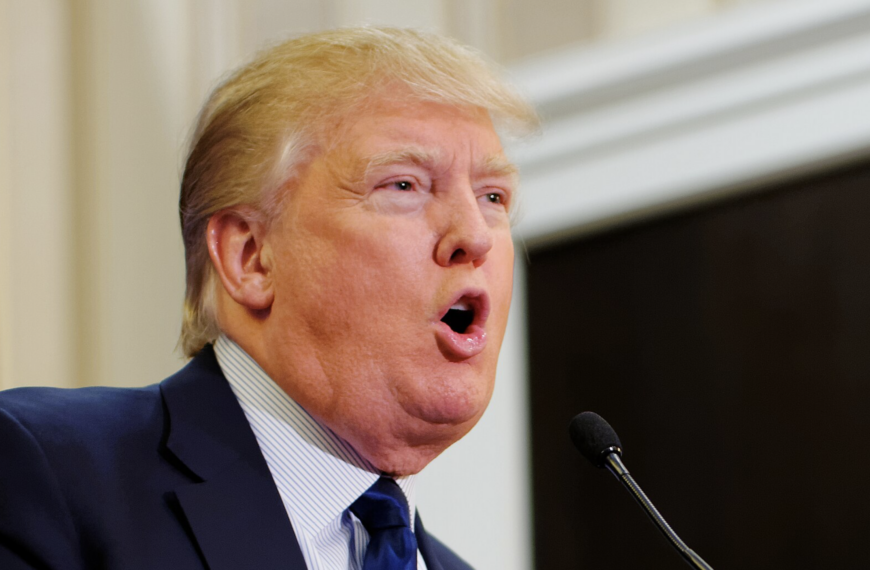


President Donald Trump signed an executive order in December directing NASA to accelerate plans to land Americans on the moon by 2028, framing the goal as part of a broader effort to secure U.S. leadership in space amid intensifying global competition. The directive, titled Ensuring American Space Superiority, was issued the same day newly confirmed NASA Administrator Jared Isaacman took office and outlines policy priorities for deep‑space exploration and national space capabilities.
Trump: "We will land an American astronaut on Mars. Thank you Elon!"pic.twitter.com/rRcvXixBs4
— Defiant L’s (@DefiantLs) October 24, 2024
The executive order reiterates a commitment to return humans to the lunar surface and to promote technological innovation and commercial space activities. In addition to the lunar landing target, the order emphasizes strengthening national space security and advancing American economic interests in space.
The moon landing timeline intersects with ongoing technical challenges and revisions to NASA’s Artemis program architecture, which will shape whether the 2028 target remains achievable.
NASA’s Artemis II mission, planned as a crewed flight around the moon, is targeted for launch in April 2026. It will be the first mission in NASA’s deep‑space program to carry astronauts aboard the Space Launch System rocket and the Orion spacecraft, opening a new chapter in human exploration beyond low Earth orbit.
The Artemis II mission, set to launch no earlier than April 2026, remains unchanged. Four astronauts will journey around the Moon and verify the Orion spacecraft’s critical life support systems and prepare for future Artemis missions. https://t.co/njkvWM8mRY pic.twitter.com/r1gpUldcyi
— NASA (@NASA) March 3, 2026
Landing on the moon by 2028 remains central to U.S. space policy. Technical and schedule pressures persist, including continuing development of human landing systems by SpaceX and Blue Origin and the need to complete integrated testing and spacecraft preparation.
The timeline for lunar surface missions is shaped not only by engineering readiness but also by broader geopolitical considerations. China has publicly stated a goal of landing astronauts on the moon by around 2030, adding competitive urgency to U.S. plans.
The executive order does not itself appropriate funding or guarantee the readiness of necessary hardware, but it formalizes 2028 as a policy target and signals sustained focus at the highest levels of government. Congressional support and NASA’s internal decisions on mission sequencing, contractor performance, and technical milestones will continue to influence the program’s pace and outcomes.
NASA will proceed with preparations for Artemis II while advancing planning for subsequent missions and evaluating options for lunar lander integration. Further congressional hearings and public updates on hardware readiness, funding, and schedule adjustments are expected as the agency works toward its goal of returning astronauts to the lunar surface before the end of the decade.


 By
By


 By
By
 By
By