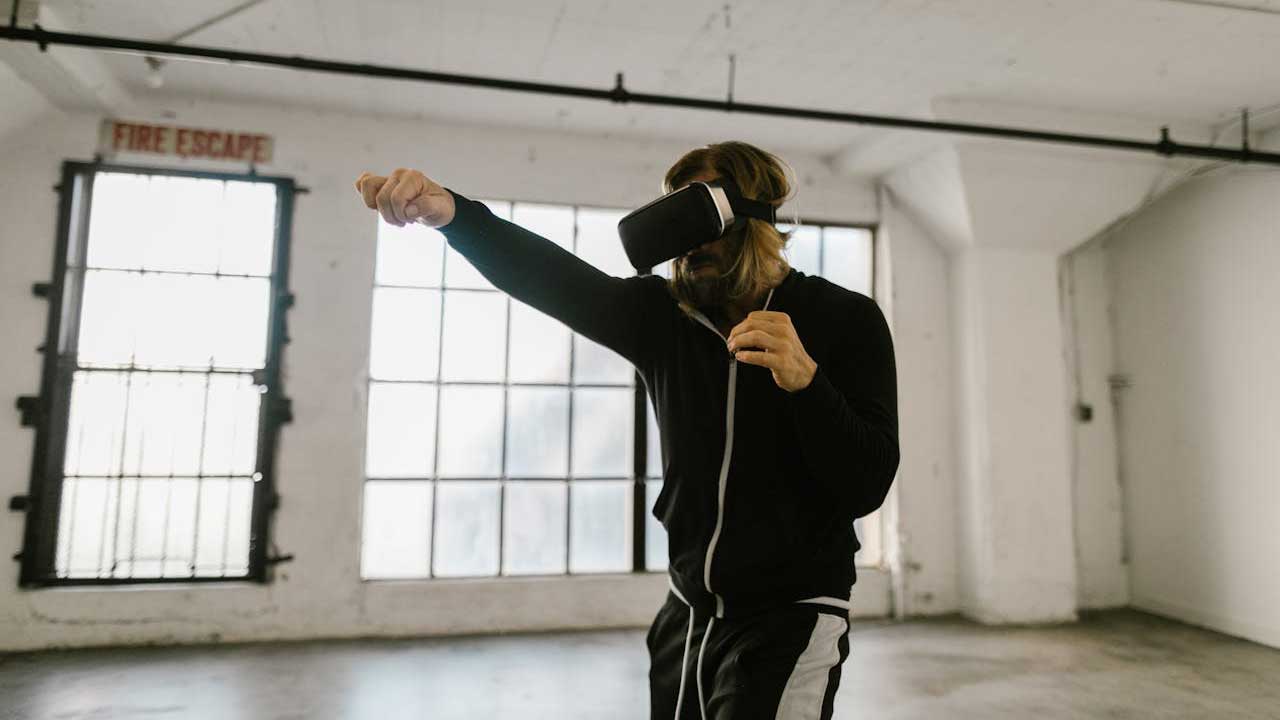

Once a niche hobby for gamers and technophiles, virtual reality (VR) has evolved into a fully immersive lifestyle for a growing number of people. In 2025, some individuals are choosing to spend the majority of their waking hours inside digital worlds—working, socializing, learning, and even falling in love.
Living, Working, and Loving in the Metaverse
Platforms like VRChat and Second Life have become long-term digital homes for users spending 40+ hours per week in immersive environments. The documentary We Met in Virtual Reality captured how people built deep relationships, taught sign language, and even held weddings entirely within VRChat—highlighting just how emotionally real these digital experiences can feel.
Therapy, Identity, and Accessibility
For many users, virtual reality provides more than entertainment—it plays a role in mental health and self-discovery. Some have shared how VR is part of their official treatment plans for conditions like bipolar disorder and autism, with daily immersive sessions helping regulate mood and reduce anxiety.
VR also gives users the ability to express gender, personality, and physical form without societal pressure. Avatars become an extension of identity, especially in platforms like VRChat, where people often describe feeling more “themselves” inside a headset than out in the real world.
Challenges of Full-Time VR Living
But full-time immersion comes with real-world tradeoffs. A Microsoft Research study found that participants working in VR for an entire week experienced increased eye strain, frustration, and stress compared to those using traditional setups. Even today’s most advanced headsets still struggle with long-session comfort.
There’s also growing concern among psychologists about dissociation and blurred boundaries between virtual and physical life. While VR can enhance emotional well-being for some, others may experience detachment or struggle to re-integrate into offline social norms.
A New Era for Digital Living
As headset quality improves and social spaces become more immersive, more people are experimenting with spending entire chunks of their lives inside virtual worlds. For a growing segment, the metaverse isn’t a gimmick—it’s a space to build careers, relationships, and even self-worth. VR living may not be mainstream yet, but for those already committed to it, it feels more real than reality.


 By
By


 By
By
 By
By