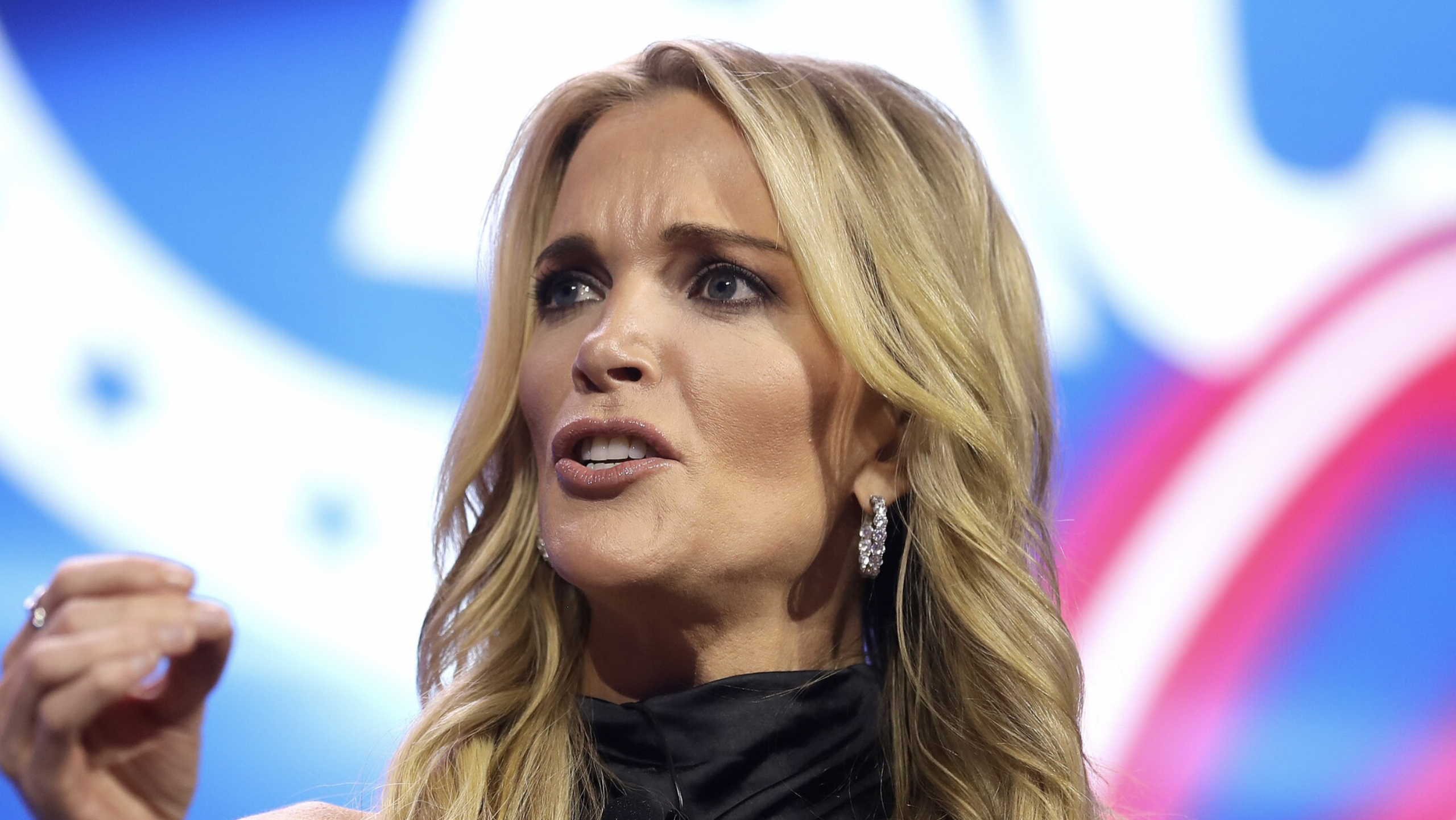

Megyn Kelly drew attention to the rapid pace of artificial intelligence development on April 30, 2026, warning that the technology’s benefits could be overshadowed by what she described as major societal and security risks. Her comments came in response to a viral report about a Mayo Clinic AI system capable of detecting pancreatic cancer years before clinical diagnosis, a breakthrough widely viewed in the medical technology sector as a significant step forward in early disease detection. The exchange highlighted a growing tension in tech innovation discourse between transformative medical applications and broader concerns about safety, employment, and long-term societal impact.
In her post on X, Megyn Kelly wrote: “The AI advances are all great, until there are no jobs left for our kids & our medical info is all over the internet & a chat box manages to release a nuke. Watch “The AI Doc” on Apple for a primer. What good is it to cure all disease if there is no more work, ambition or safety?” The statement framed AI progress as a double-edged development, acknowledging medical and technological gains while raising concerns about labor displacement, data security, and extreme worst-case scenarios involving autonomous systems.
The post was prompted by reporting on a Mayo Clinic-developed artificial intelligence model designed to detect pancreatic cancer on routine CT scans up to three years before clinical diagnosis. The system, known as the Radiomics-based Early Detection Model (REDMOD), analyzed nearly 2,000 scans and identified 73% of prediagnostic cancers at a median of about 16 months before diagnosis, significantly outperforming specialist review alone. The research, published in Gut, is part of a broader effort to improve early cancer detection, particularly for a disease that is often diagnosed at advanced stages and remains one of the deadliest cancers due to late detection.
According to the Mayo Clinic research team, the AI system can identify subtle imaging signatures of cancer before tumors become visible, offering the possibility of intervention when treatment outcomes are more favorable. The model is also designed for use in routine clinical workflows, including high-risk patient monitoring, and has shown consistent performance across multiple institutions and imaging systems. The research is now being advanced through a prospective clinical study aimed at evaluating real-world integration and outcomes.
Kelly’s remarks align with her broader public stance on artificial intelligence, where she has repeatedly emphasized caution over rapid adoption. She has frequently highlighted concerns about AI-driven misinformation, deepfakes, cybersecurity risks, and the potential for advanced systems to behave in unpredictable ways. Her commentary often focuses on what she describes as the “alignment problem,” the risk that AI systems may not reliably act in accordance with human intent or safety constraints, particularly as companies accelerate development cycles.
The exchange underscores a broader debate within tech and innovation circles: how to balance breakthroughs such as early cancer detection tools with concerns about employment disruption, data privacy, and systemic risk. While medical researchers emphasize the potential of AI to transform disease detection and prevention, critics like Kelly argue that the same technological momentum raises unresolved questions about long-term societal stability, safety, and governance as AI systems become more deeply embedded across critical sectors.

 By
By



 By
By