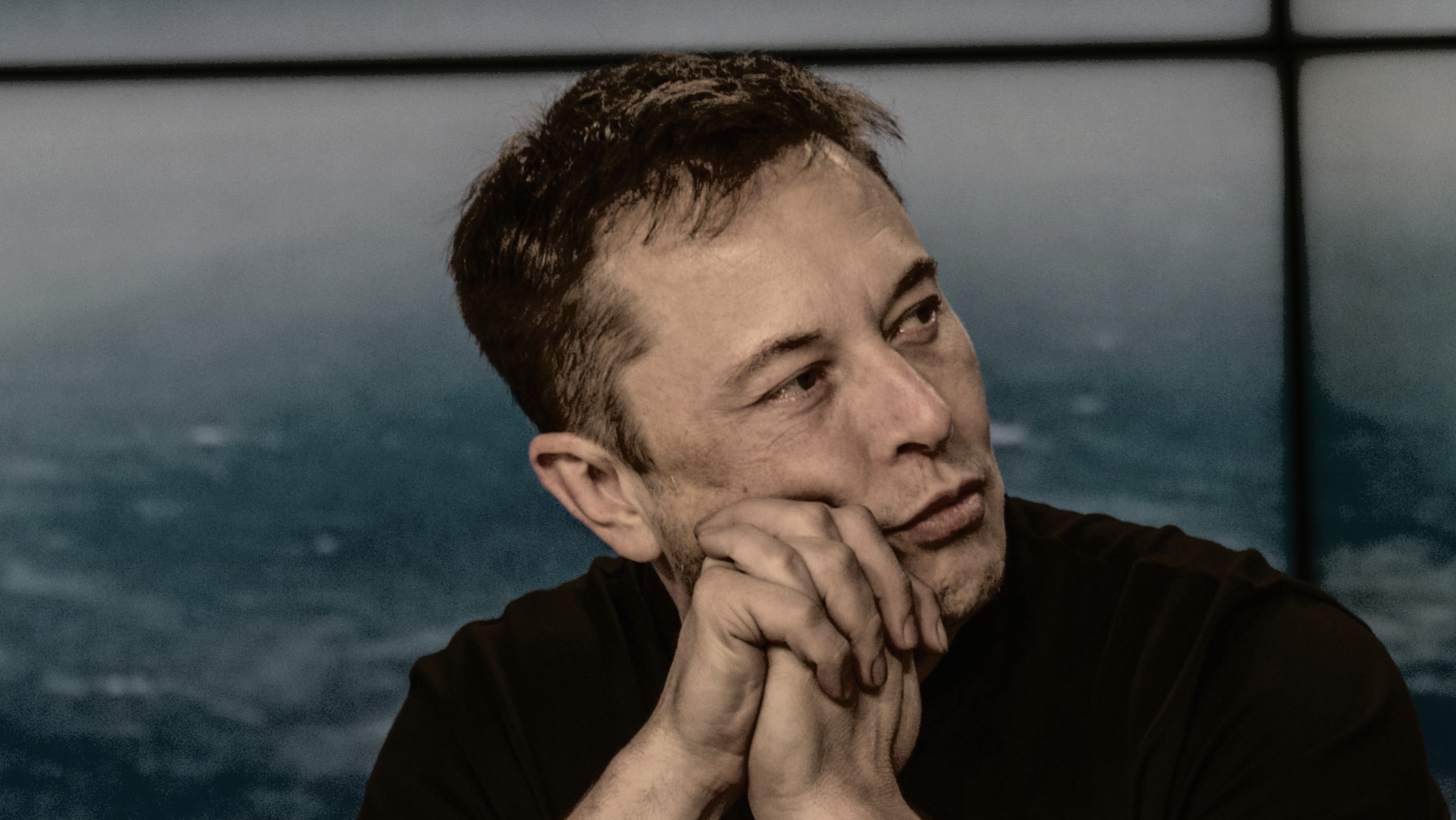

Elon Musk announced plans to build two advanced chip factories in Austin, Texas, aiming to produce computing capacity that would double the current total generated across the United States. The facilities, collectively named “Terafab,” are intended to supply chips for Tesla vehicles, Optimus humanoid robots, and artificial intelligence satellites in space. Musk emphasized that current global chip production meets only a fraction of his companies’ projected needs.
Elon Musk explains why we must build the chip factory:
— X Freeze (@XFreeze) March 22, 2026
“We either build a TERAFAB or we don’t have chips” pic.twitter.com/r2DAyetl4h
During a presentation in Austin, Musk said the decision to build Terafab was necessary. “We either build the Terafab or we don’t have the chips,” he said. He noted that the facilities would allow his companies to meet demand that he expects will eventually exceed total worldwide chip output. Musk expressed gratitude to existing chip suppliers, including Samsung, TSMC, and Micron, but stressed that relying on current suppliers alone would not be sufficient.
The Terafab complex will consist of two separate fabs, each dedicated to a single chip design. One will produce chips for Tesla vehicles and Optimus humanoid robots, while the other will manufacture high-powered chips for AI satellites designed to operate in the challenging conditions of space, including higher temperatures. Musk explained that this approach simplifies production, allowing for more linear and efficient workflows and rapid iteration on chip designs. He stated that producing new iterations daily in a research fab with minimal lag would enable testing of high-risk, high-return ideas and quick optimization of the manufacturing process.
Given that several companies make advanced chips, but no companies have ever made fully reusable rockets or achieved SpaceX scale, I think Starship is harder, but we shall see.
— Elon Musk (@elonmusk) March 22, 2026
Terafab will technically be two fabs, each making only one chip design. This greatly simplifies…
Musk said the combined output of the two factories is expected to reach one terawatt of computing capacity per year. By comparison, he noted, the United States currently generates approximately half a terawatt annually. He described the scale of the project as necessary to achieve extreme production levels that current chip manufacturers, which grow output by roughly 20% per year, cannot provide.
The announcement follows earlier indications from Musk that Tesla would eventually need its own AI chip production capabilities. The inclusion of SpaceX in the Terafab plans marks a new development, particularly as the company prepares for a public listing that could value it at around $1.75 trillion. Musk also referenced the recent merger of SpaceX with his social media and AI firm, xAI, as part of the broader context for expanding chip production.
While no timeline for completion has been provided, Musk characterized the project as essential to supporting his companies’ future growth. He acknowledged the ambitious nature of the plan, noting that it is intended to operate at unprecedented scale and speed compared with current chip manufacturing facilities.

 By
By

 By
By