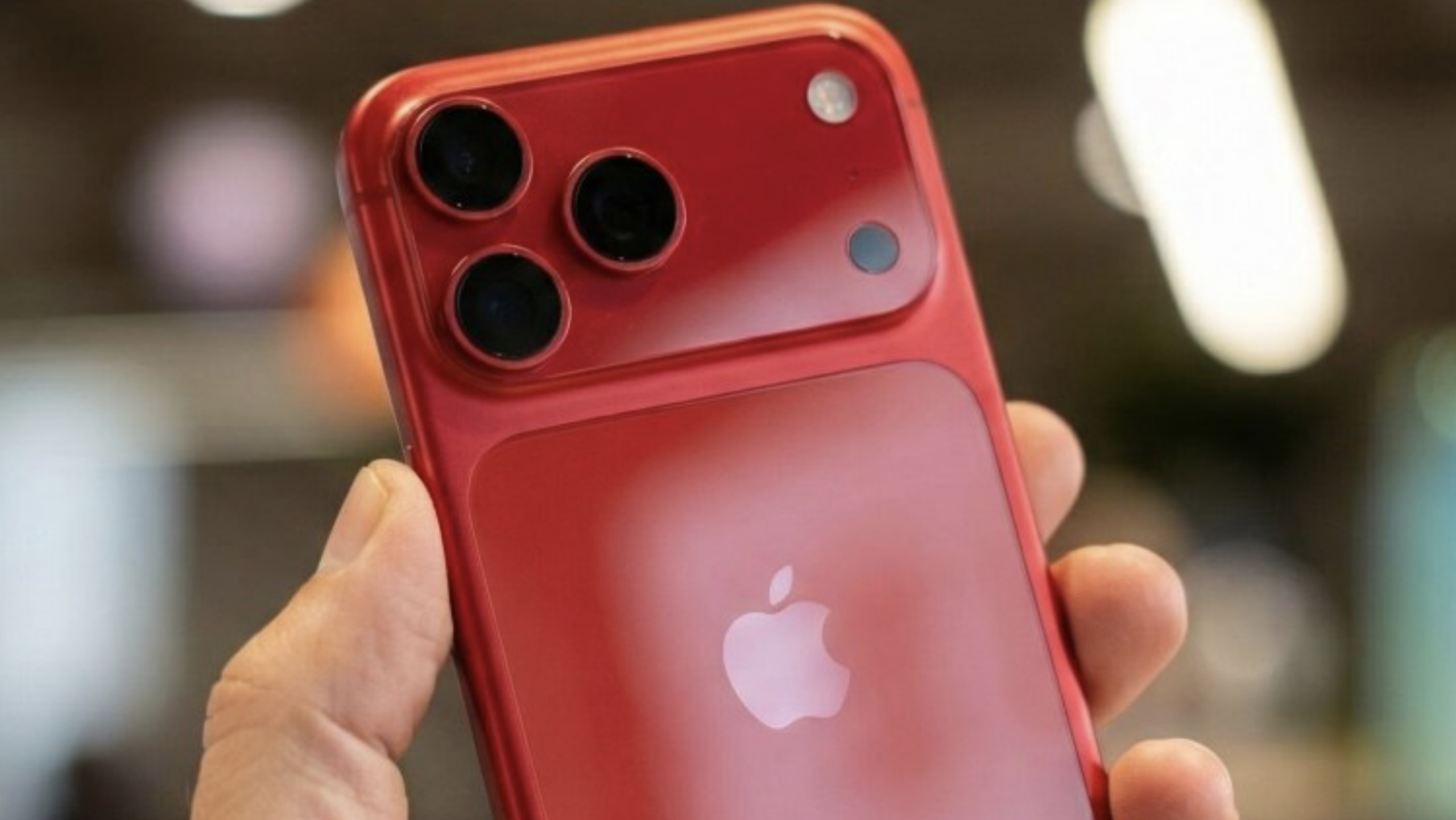

Apple recorded a sharp rise in smartphone sales in China at the start of 2026, defying a broader market slowdown as competitors faced mounting cost pressures tied to memory chips. Data from research firm Counterpoint showed the U.S. technology company gained ground during a period when overall demand in the Chinese smartphone market continued to weaken.
According to the report, Apple’s smartphone sales in China increased 23% in the first nine weeks of 2026 compared with the same period a year earlier. This growth came even as the country’s total smartphone market declined by 4% year over year between January and early March, reflecting ongoing softness in consumer demand despite the introduction of government subsidies at the beginning of the year.
The company’s performance was supported in part by promotional activity and policy incentives. Counterpoint attributed the sales increase to e-commerce discounts as well as Apple’s eligibility for state subsidies tied to the base iPhone 17 model, which helped make the device more accessible to consumers in a subdued spending environment.
Apple’s ability to maintain pricing stability also set it apart from competitors. The report noted that the company’s control over its supply chain has positioned it to better manage rising costs for memory chips, an issue affecting the broader smartphone industry. While some manufacturers have moved to raise prices, Apple is expected to absorb some of the pressure on margins instead of passing costs on to consumers.
“Apple is unlikely to follow suit, instead absorbing part of the margin pressure and using the situation to potentially expand its market share,” Counterpoint said.
By contrast, Chinese Android smartphone makers have begun adjusting their pricing strategies. Companies such as OPPO and vivo have announced price increases on certain existing models, with the changes taking effect in March. Counterpoint said the moves are intended in part to test consumer response ahead of upcoming product launches and to help guide pricing decisions for next-generation devices.
Huawei may be better insulated from the cost increases due to its reliance on domestic suppliers, which typically charge less than international memory chipmakers. Counterpoint indicated that this cost advantage could allow Huawei to strengthen its position, particularly in the low-to-mid-end segment of the market.
Looking ahead, Counterpoint expects continued pressure on China’s smartphone market through the spring months, with potential improvement beginning in early June during the country’s annual “618” shopping festival, a period that brings increased promotional activity and consumer spending.
The broader rise in memory chip costs is projected to continue throughout 2026, presenting ongoing challenges for smartphone manufacturers as they balance cost management, profit margins, and shipment targets in a competitive and uncertain market environment.


 By
By


 By
By