
The Supreme Court has affirmed a lower court ruling that invalidated certain tariffs imposed during the second Trump administration, determining that the International Emergency Economic Powers Act does not authorize the president to unilaterally set such duties. This decision vacates many of the tariffs on imports from countries including China, Canada, and Mexico, but it leaves companies like Apple in a position of ongoing uncertainty regarding potential refunds, the reimposition of tariffs under alternative statutes, and the viability of exclusion processes that had previously mitigated costs. For Apple, which manufactures nearly all its products in tariff-affected regions, the ruling highlights the vulnerabilities in global supply chains amid shifting trade policies, especially as the administration seeks ways to address trade deficits and national security concerns following significant legislative changes like the Big Beautiful Bill that reduced tax revenues while increasing spending.
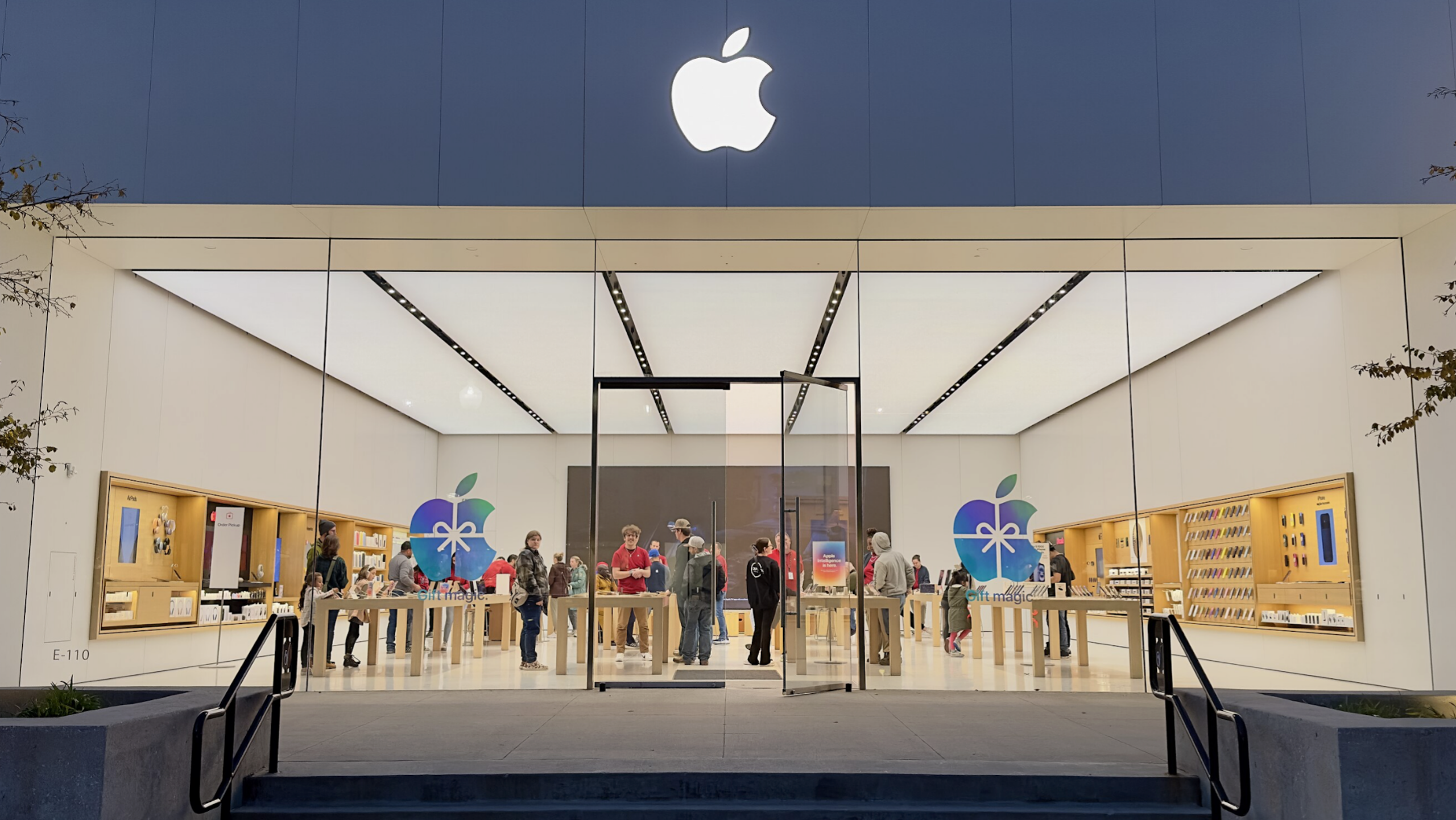
Apple’s substantial exposure to these tariffs stems from its heavy reliance on manufacturing in Asia, particularly China, where successive rounds of duties targeted core product lines such as iPhones, Macs, and accessories. The company accumulated a tariff bill estimated at $3.3 billion due to this concentration, with trade policies impacting it more severely than many peers in the technology sector. In its fiscal year 2025 Form 10-K filing with the Securities and Exchange Commission, Apple described tariff effects as particularly significant in areas with major revenue and supply-chain operations, indicating that such restrictions pose a material risk to the business. This vulnerability arises because relocating production on Apple’s scale requires years, while tariff adjustments can occur rapidly through executive actions or judicial outcomes.
To manage these costs, Apple utilized a government exclusion process administered by the U.S. Trade Representative, which allowed companies to seek relief for products available only from certain countries, those causing severe economic harm, or those threatening critical supply chains. This framework involved public comments and criteria for reinstatement, enabling Apple to secure reprieves on high-volume items that would otherwise face double-digit surcharges. The U.S. Trade Representative reinstated certain exclusions in early 2022 and extended 352 of them later that year, linking them to a statutory four-year review of Section 301 actions. These time-bound extensions provided Apple with sufficient predictability for planning, transforming broad tariffs into more targeted expenses, though the entire system depended on executive discretion now called into question by the court’s decision.
The tariffs in dispute originated during the second Trump administration, beginning with executive orders in February 2025 that imposed duties on Canada, Mexico, and China, citing the International Emergency Economic Powers Act as authority. In April 2025, additional Liberation Day tariffs expanded the scope to nearly all imports at a 10 percent rate, with higher rates for about sixty countries, justified by trade deficits, national security threats, and efforts to combat illegal drug inflows and undocumented immigration. President Trump linked these measures to recreating economic successes from the late 19th century under William McKinley and to offsetting revenue losses from the Big Beautiful Bill passed in July 2025, which cut taxes but increased spending. The administration also secured trade agreements with countries like Japan and the European Union before enforcement in July 2025, reducing rates in exchange for U.S. investments or increased imports of American goods. Criticism emerged from world leaders, economic experts, and business groups, with small businesses particularly affected due to limited preparation capacity compared to larger firms.
Legal challenges quickly followed, including lawsuits from companies and states arguing that the president lacked authority under the International Emergency Economic Powers Act to impose tariffs. In Learning Resources, Inc. v. Trump, filed in the District Court for the District of Columbia in April 2025, educational toy manufacturers contended that the duties unlawfully burdened their operations, with one executive noting a 44-fold cost increase. A coalition of legal scholars and former officials filed amicus briefs emphasizing that tariff powers must remain with Congress under constitutional principles. Judge Rudolph Contreras ruled the tariffs unlawful in May 2025, limiting the order to the plaintiffs and staying it for appeal.
In the companion case, Trump v. V.O.S. Selections, Inc., initiated in the Court of International Trade in April 2025 by small businesses facing bankruptcy risks, plaintiffs represented by the Liberty Justice Center argued that the act did not permit tariff imposition, marking an abuse of power. Senior counsel Jeffrey Schwab stated, “Our system is not set up so that one person in the system can have the power to impose taxes across the world economy. That’s not how our constitutional republic works.” A three-judge panel, including judges from different presidential appointments, heard arguments in May 2025 and granted summary judgment later that month, permanently enjoining enforcement and ruling that the act lacks the necessary intelligible principle for delegating unlimited tariff authority. The opinion noted constraints under the Trade Act of 1974 and rejected claims that the tariffs addressed drug threats effectively.
The administration appealed to the Federal Circuit, which granted a stay but expedited an en banc hearing in July 2025. Observers noted judicial skepticism toward the government’s position during arguments. In August 2025, the court affirmed the lower ruling per curiam, invalidating the tariffs on grounds of exceeding presidential authority and implicating the major questions doctrine, though four judges dissented, arguing the act’s broad emergency powers in foreign affairs. The decision stayed through October 2025 for Supreme Court appeal, prompting President Trump to post on social media that upholding it “would literally destroy the United States of America.”
The Supreme Court consolidated the cases in September 2025, hearing oral arguments on November 5, 2025, where justices appeared skeptical of the administration’s rationale. In its February 20, 2026, opinion, the court dismissed the Learning Resources case for lack of jurisdiction in the District of Columbia court, affirming the Court of International Trade’s ruling in V.O.S. Selections. The decision held that the International Emergency Economic Powers Act does not authorize unilateral tariffs, vacating those under the challenged executive orders, but it did not address repayment mechanisms. This outcome tests executive power limits in Trump’s second term, aligning with prior court emphases on non-delegation and major questions principles.
Despite vacating the tariffs, the ruling does not resolve broader trade uncertainties, as the administration retains authority to reimpose duties under statutes like Section 232 for national security, which has been used for steel and aluminum imports. Tariffs invalidated under one law could reappear modified under another, complicating exclusion processes and review standards. For Apple, this regulatory variability exacerbates planning challenges, as its Form 10-K warns of impacts from such shifts in supply-chain heavy regions.
The decision places Apple at a strategic juncture, requiring decisions on pursuing refunds—potentially complex given its partial exclusions—while preparing for possible tariff reintroductions. Congressional Democrats have advocated for refund legislation with interest and timelines, but outcomes remain unclear. Meanwhile, Apple continues efforts to diversify production to countries like India and Vietnam, though gradual due to its Chinese footprint. This limbo underscores how trade policies, intended to address deficits, debt, and security, intersect with corporate strategies in an era of unified Republican governance following the 2024 election, where midterm outcomes could influence future directions.

 By
By

 By
By