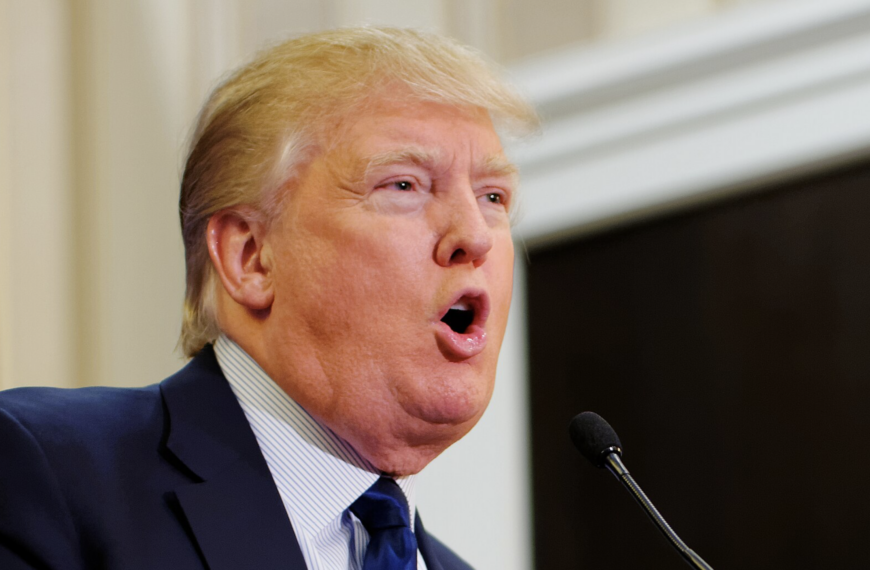
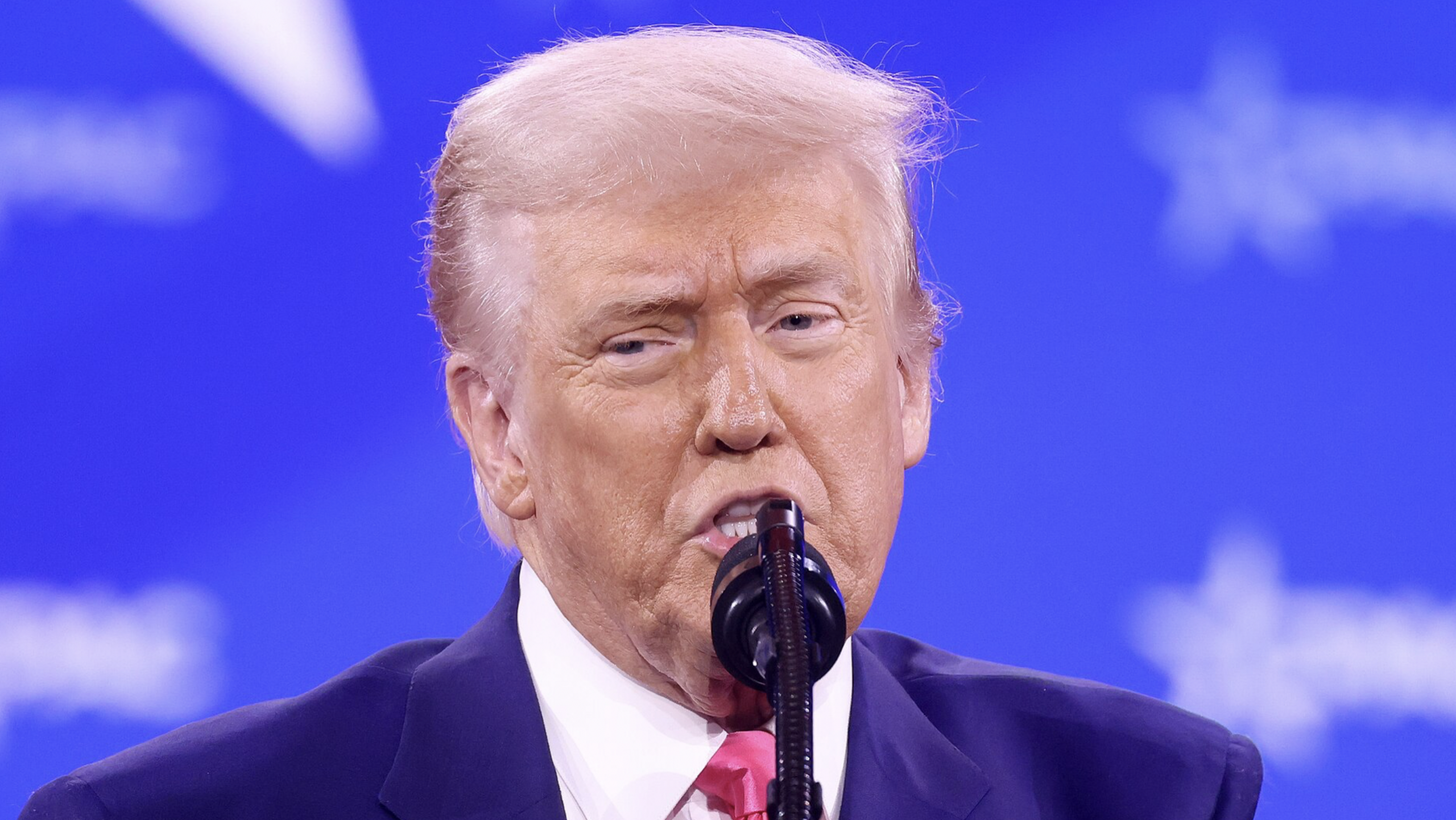

President Donald Trump underscored the strategic significance of American leadership in artificial intelligence during remarks at the Small Business Summit in the White House on May 4, 2026. He described leading in AI as “very important” due to its status as a major global industry, particularly in competition with other nations. The comments highlighted AI’s role in economic competitiveness and technological supremacy.
Trump tied this priority to current U.S. strengths. He referenced historic employment levels and low jobless claims while discussing AI’s dual impact on jobs and opportunity creation. The president explicitly noted the need to lead “primarily against China, but other countries are very much active in it also,” framing AI as a key arena of international rivalry.
The global AI landscape features intense competition, especially between the United States and China. American companies maintain leads in frontier models, compute scale, and overall performance on benchmarks, supported by substantial investments from major tech firms. In contrast, Chinese efforts emphasize efficiency, rapid adoption, open-source strategies, and integration of AI into physical applications such as robotics and manufacturing.
U.S. policy approaches, including export controls on advanced chips, have influenced the dynamics of this competition. These measures have slowed certain aspects of China’s progress in the near term while spurring domestic semiconductor development efforts in that country. American advantages in hyperscale infrastructure and private sector innovation remain central to maintaining an edge.
Trump’s emphasis on AI leadership aligns with efforts to bolster domestic capabilities. During the summit, he pointed to massive investments flowing into the United States, including in AI-related facilities, as evidence of momentum. Policies such as bonus depreciation and tax incentives were presented as catalysts for building out the infrastructure necessary for AI dominance.
Small businesses play a vital role in this ecosystem. The president’s remarks connected AI advancement to broader economic policies that support entrepreneurship, including regulatory relief and access to capital through the Small Business Administration. These measures help position smaller enterprises to participate in and benefit from the AI supply chain and application development.
China’s strategy includes heavy focus on model efficiency through techniques like mixture-of-experts architectures, quantization, and distillation to compensate for compute constraints. Additionally, the country pursues deep integration of AI into manufacturing, autonomous systems, and embodied robotics, leveraging strengths in supply chains and production capacity.
The United States continues to lead in areas such as foundation model performance and large-scale compute deployment. However, sustaining this advantage requires attention to energy infrastructure for data centers, support for open-source initiatives, and resources for fundamental research. Trump’s comments at the summit reinforced the view that proactive leadership in AI is essential for long-term economic and national security interests.
By addressing the topic in the context of small business success and overall economic strength, the president highlighted how AI leadership translates into job creation, investment, and innovation diffusion. The remarks contributed to ongoing national conversations about maintaining technological superiority in a competitive global environment.
As investments in AI infrastructure accelerate and new facilities come online, the focus on U.S. primacy in this transformative industry is expected to remain a cornerstone of economic strategy. Trump’s statements affirmed the importance of this race for sustaining America’s edge in innovation and supporting a vibrant small business sector at the forefront of technological change.

 By
By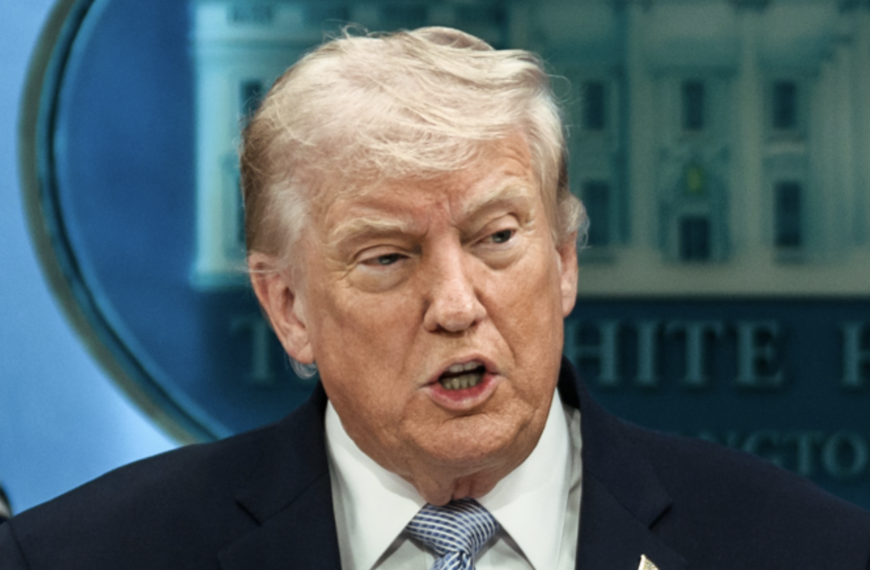

 By
By