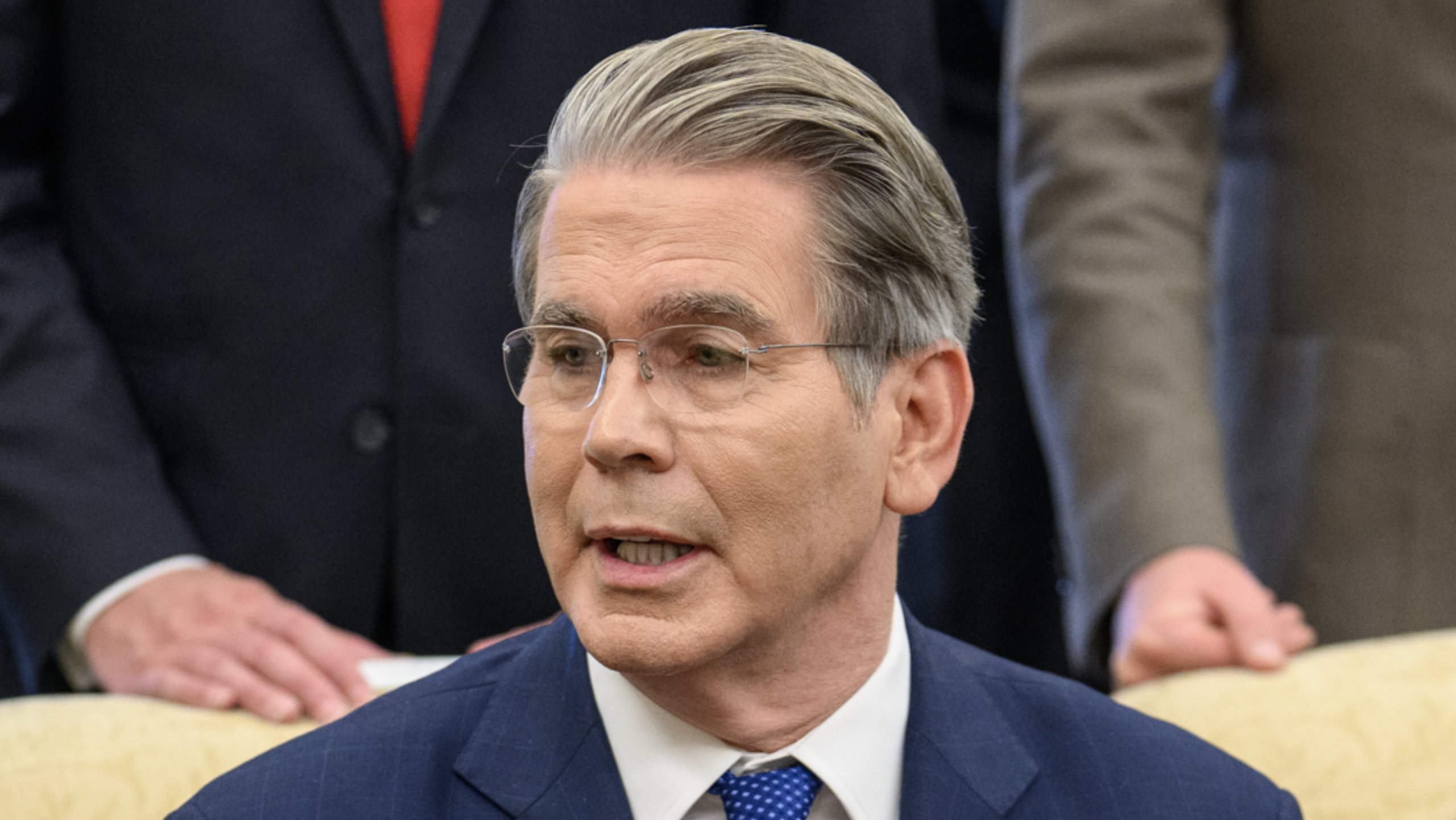

Treasury Secretary Scott Bessent has directly warned Americans about the potential for advanced artificial intelligence systems to compromise bank accounts and broader financial infrastructure. In recent public statements and private briefings, Bessent highlighted emerging cyber threats tied to powerful new AI models, stressing the need for vigilance as innovation in artificial intelligence accelerates at an unprecedented pace.
On April 10, 2026, Bessent convened an unusual meeting with leaders from some of the nation’s largest banks in Washington. Attendees included chief executives from Bank of America, Citi, and Wells Fargo. Federal Reserve Chair Jerome Powell also participated in the session, which focused on cybersecurity risks posed by a specific new AI technology developed by Anthropic.
The warnings centered on Anthropic’s Claude Mythos Preview model. According to details shared in the meeting, this AI system excels at identifying security vulnerabilities in software that might elude human developers. Government officials expressed concern that such capabilities, while innovative, could be exploited by hackers or other malicious actors if not properly contained.
Anthropic has acknowledged the dual nature of this advancement. The company decided against a full public release of the model due to its potential dangers, instead limiting access to a select coalition of 40 companies under what it calls Project Glasswing. This group includes JPMorgan Chase, the nation’s largest bank, which plans to use the technology to evaluate next-generation AI tools for defensive cybersecurity across critical infrastructure.
JPMorgan Chase CEO Jamie Dimon was invited to the Treasury meeting but could not attend due to prior travel commitments. The gathering reflected a coordinated effort between financial regulators and industry leaders to address the rapid evolution of AI capabilities and their intersection with banking security.
In a statement following the meeting, a Treasury spokesperson described the session as the start of a broader planning and coordination process. The goal is to manage the implications of fast-moving developments in artificial intelligence for the financial sector. This approach underscores the government’s recognition that AI innovation brings both opportunities and significant new risks that require proactive management.
National Economic Council Director Kevin A. Hassett reinforced this message in a Fox News appearance. “We’re taking every step we can to make sure that everybody is safe from these potential risks, including Anthropic agreeing to hold back the public release of the model until our officials have figured everything out,” Hassett said. “There’s definitely a sense of urgency.”
Bessent himself addressed the issue publicly on Fox News’ Sunday Morning Futures. He emphasized that both financial institutions and technology companies are working to strengthen defenses against AI-driven threats. “We’re going to make sure that things stay safe,” Bessent stated, highlighting the Treasury’s commitment to protecting the financial system amid these advancements.
The concerns extend beyond individual bank accounts to the stability of the entire financial ecosystem. Sophisticated AI models capable of uncovering hidden weaknesses could enable more targeted and effective cyberattacks. This has prompted collaboration between regulators, banks, and AI developers to balance technological progress with necessary safeguards.
The episode also occurs against the backdrop of ongoing tensions between the Trump administration and Anthropic. The two sides are engaged in a legal dispute following the Defense Department’s designation of the company as a supply chain risk, related to limits Anthropic placed on its AI technology’s use in military applications.
Anthropic executive Logan Graham offered a perspective on the model’s intended benefits. He said the new technology would help “secure infrastructure that is critical for global security and economic stability.”
As artificial intelligence continues to push the boundaries of what is possible in fields ranging from cybersecurity to space technology and beyond, events like the recent Treasury briefing illustrate the growing need for close coordination between innovators, regulators, and industry. The financial sector, which underpins much of the innovation economy, stands at the forefront of these challenges. Officials and executives alike are navigating how to harness AI’s potential while mitigating risks that could affect everyday Americans and the stability of critical systems.

 By
By

 By
By