
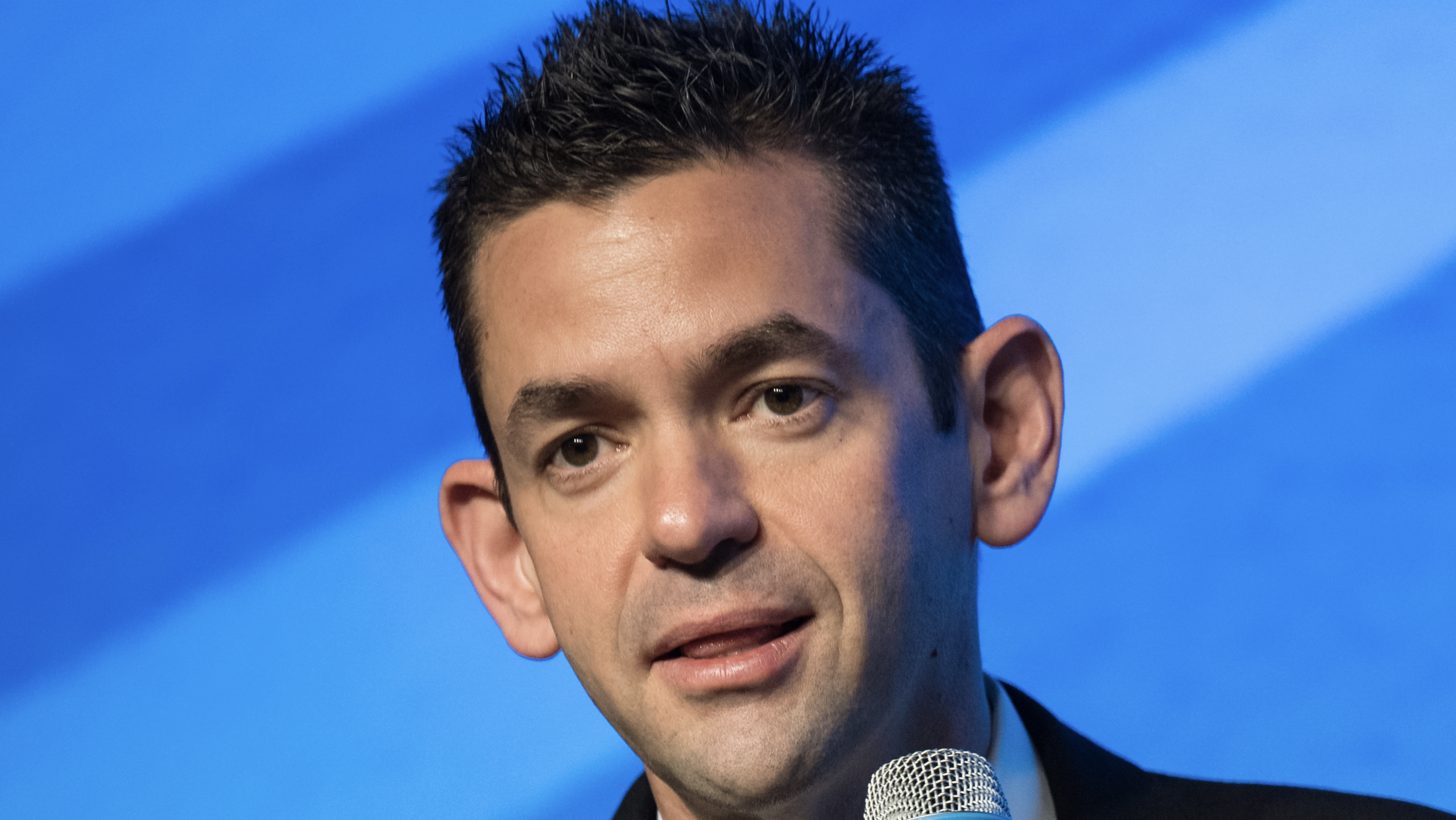

NASA Administrator Jared Isaacman outlined an ambitious vision for the agency’s return to deep space during a televised interview, describing the upcoming Artemis II mission as a defining moment for modern human spaceflight. Speaking on Fox Business, Isaacman emphasized both the historical significance of the mission and its role in laying the groundwork for future exploration beyond the Moon, including eventual missions to Mars.
Isaacman pointed to decades of policy direction supporting a return to the lunar surface, noting that the Artemis program was established to fulfill that objective and expand it into a sustained presence. He said the initiative is designed not only to achieve scientific breakthroughs but also to advance national security capabilities, unlock economic potential, and inspire future generations. According to Isaacman, the broader goal is to move beyond short-term exploration and toward a long-term foothold in space.
He described the Moon as a critical testing ground for deeper space missions, particularly those targeting Mars. The lunar environment, he explained, offers opportunities to develop and refine technologies such as resource extraction and propellant production using water ice. These capabilities are considered essential for sustaining long-duration missions and enabling astronauts to return safely from Mars. He added that advancements in propulsion, including nuclear-powered systems, could extend exploration deeper into the solar system.
.@NASAAdmin: "April 1st, Artemis II, it's going to be the most important human space flight mission in more than a half century. We're sending NASA astronauts… farther into space than we've ever sent humans before." pic.twitter.com/l4VpxUfrjE
— Rapid Response 47 (@RapidResponse47) March 25, 2026
Addressing comparisons to the Apollo era, Isaacman acknowledged that the level of global attention seen during the first Moon landing may be difficult to replicate in today’s fragmented media landscape. In response to a question about public interest, he said, “July 20, 1969, we captivated the world’s attention when Neil Armstrong and Buzz Aldrin walked on the Moon. We had less TV channels back then. It is understandable that some of the public’s interest is attracted to different things but April 1st, Artemis II, the most important human spaceflight mission in half a century. We are sending NASA astronauts around the Moon farther into space than we’ve ever sent humans before on a 10 day journey back safely which was set up for subsequent missions. We are launching Moon rockets in 2027, again in 2028 where American astronauts will return to the surface. Only a matter of time before NASA once again captivates the world’s attention.”
Artemis II is expected to send a crew of NASA astronauts on a 10-day mission around the Moon, marking the first crewed lunar mission in more than 50 years. The flight is intended to validate critical systems and operational procedures required for future landings, serving as a precursor to follow-on missions that aim to establish a sustained human presence on the lunar surface.
Isaacman’s remarks underscore the strategic importance NASA places on Artemis II within its broader exploration roadmap. By positioning the mission as a turning point for human spaceflight, he framed it as both a technological milestone and a signal of renewed ambition, with subsequent launches planned later in the decade to return astronauts to the Moon and expand humanity’s reach deeper into space.


 By
By


 By
By
 By
By