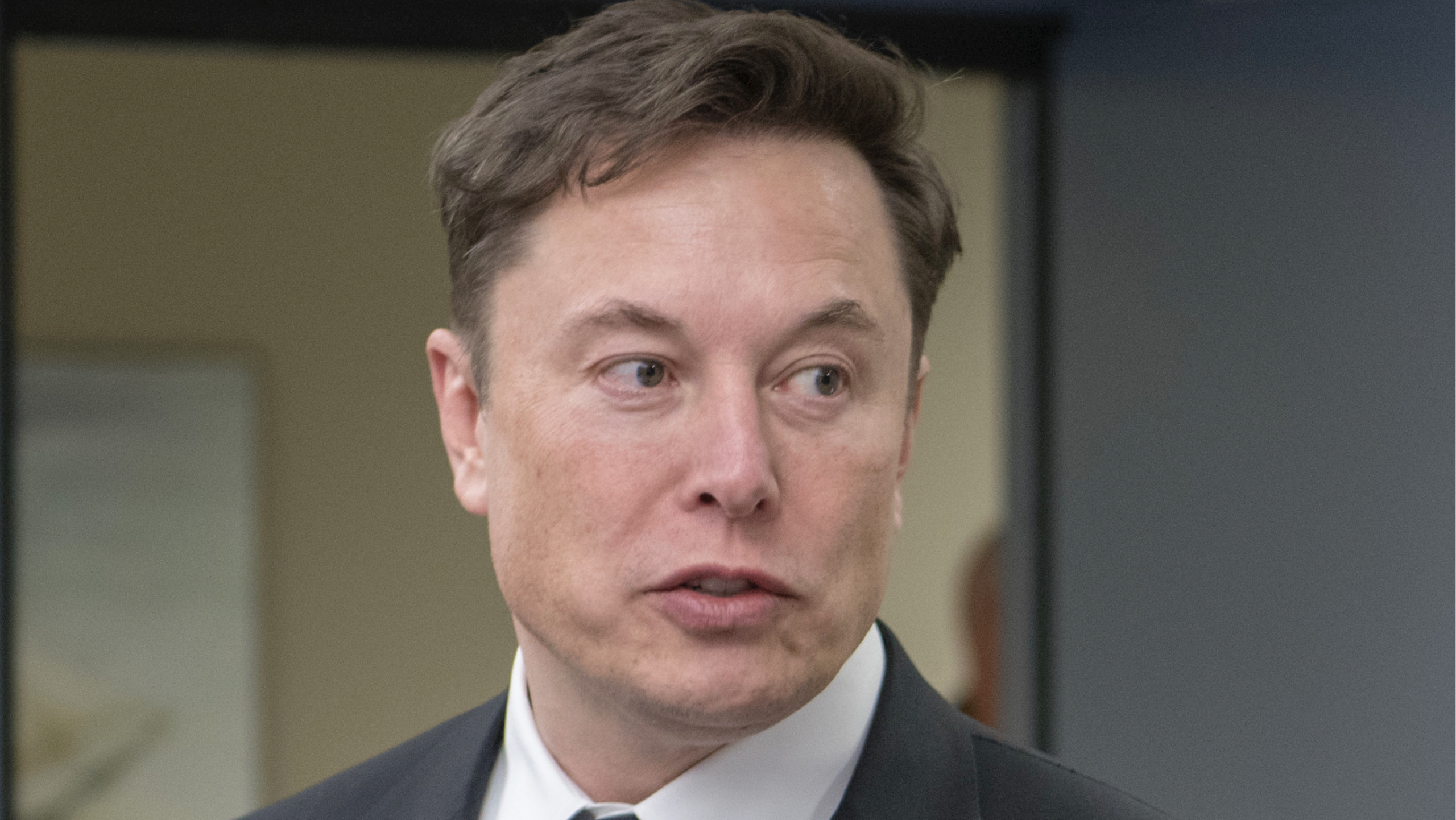

Elon Musk said deploying artificial intelligence infrastructure in space could become cheaper than on Earth within a few years, citing what he described as a major advantage in solar energy generation, according to a .
Speaking during a SpaceX presentation announcing its “Terafab” initiative, Musk said space-based systems benefit from continuous sunlight and significantly higher solar power efficiency. “Space has this advantage that it’s always sunny,” Musk said, adding that AI deployment in orbit could become lower cost than terrestrial systems “in two or three years.”
Musk said solar panels in space can generate “at least five or more times” the energy compared with Earth-based systems, due to the absence of atmospheric interference, seasonal variation, and day-night cycles. He also said space-based solar infrastructure may be cheaper to build because it does not require heavy protective materials designed for weather conditions.
He argued that as launch costs decline, sending AI chips into orbit could become economically viable. “As soon as the cost to orbit drops to a low number, it immediately makes extremely compelling sense to put AI in space,” Musk said.
Elon Musk on why deploying AI in Space makes sense:
— Nic Cruz Patane (@niccruzpatane) March 22, 2026
• The cost of deploying AI in space will drop below the cost of terrestrial AI much sooner than people expect
• In Space it’s always sunny. You will get 5x or more solar power in space vs the ground on earth. Fully… pic.twitter.com/oDvDzIaZFQ
The comments come as Musk expands efforts to secure computing capacity for artificial intelligence development. Tesla is preparing to launch a large-scale chip manufacturing initiative known as “Terafab,” which he has described as necessary to meet growing demand for AI hardware, according to Reuters.
Musk said earlier this month that Tesla’s AI chip fabrication project would launch within days, part of a broader push to increase production capacity beyond existing suppliers such as Taiwan Semiconductor Manufacturing Co. and Samsung, .
The Terafab project is expected to support both terrestrial and space-based computing, with Musk previously stating that long-term plans include scaling computing power to levels that exceed current global supply, according to TRT World.
Musk also pointed to constraints on Earth-based infrastructure, including land use and local opposition to large-scale energy projects. Expanding power generation on Earth “becomes harder over time and more expensive,” he said, while in space “it becomes actually cheaper and easier over time.”
He did not provide specific cost estimates or technical timelines for space-based AI deployment beyond the two- to three-year projection.

 By
By

 By
By