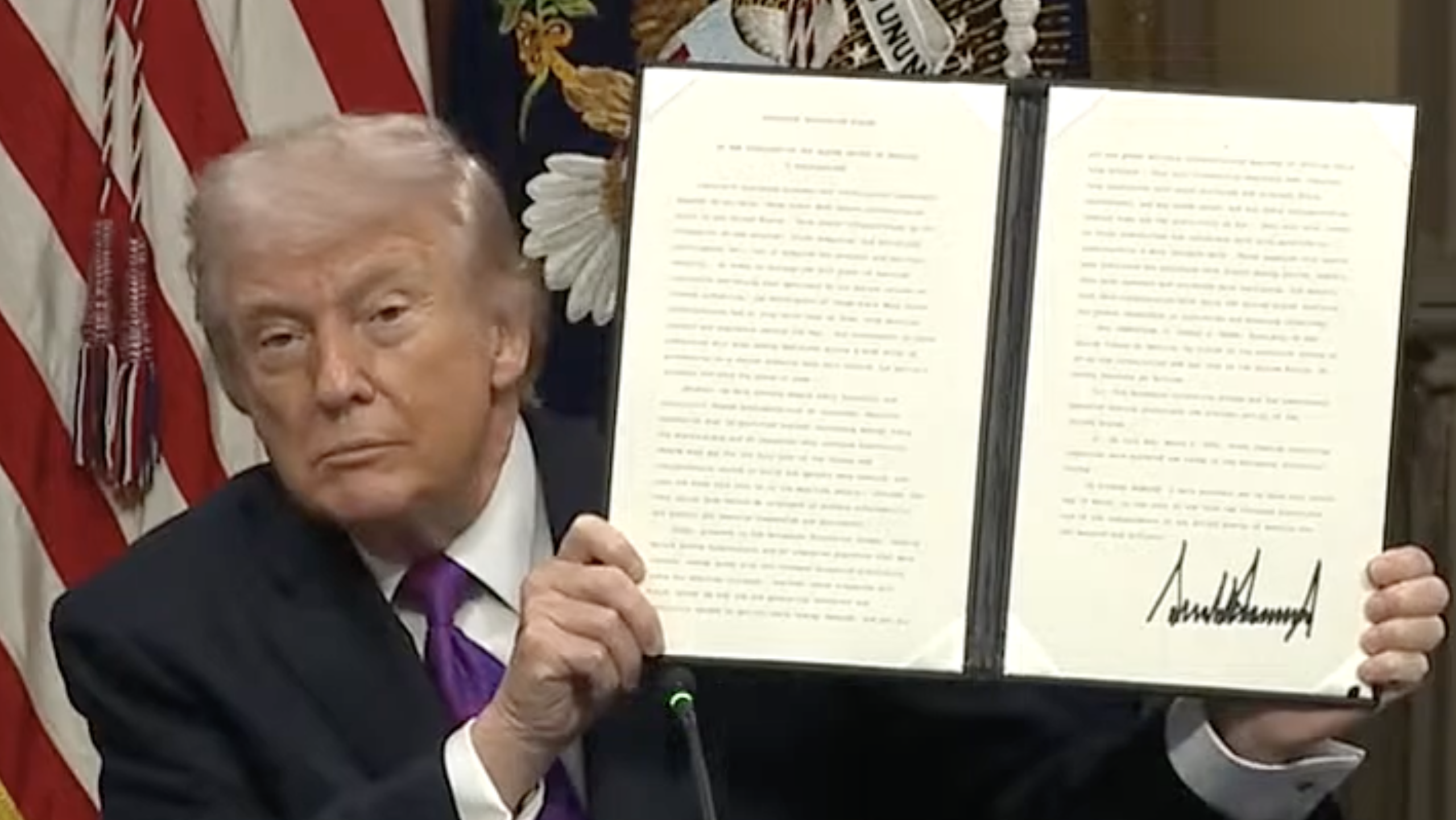

President Donald J. Trump announced a landmark agreement with leading artificial intelligence companies and hyperscalers through the Ratepayer Protection Pledge, ensuring that the expansion of data center infrastructure in the United States will not drive up electricity costs for American households. Speaking at the signing ceremony, Trump said, “Under this new agreement, Big Tech companies are committing to fully cover the cost of increased electricity required for AI data centers and that would be prices for American communities will not go up but in many cases will actually come down and very substantially.” The pledge marks a significant step in aligning technological growth with energy affordability and grid reliability.
🚨@POTUS on the Ratepayer Protection Pledge: "We're here this afternoon for a historic signing that will help keep down your utility bills… Big Tech companies are committing to fully cover the cost of increased electricity production required for AI data centers." pic.twitter.com/WPZEgtGQHp
— Rapid Response 47 (@RapidResponse47) March 4, 2026
The Ratepayer Protection Pledge brings together Amazon, Google, Meta, Microsoft, OpenAI, Oracle, and xAI, requiring these companies to build, bring, or purchase new power generation resources and cover all costs of power delivery infrastructure upgrades necessary for their data centers. Companies will negotiate separate rate structures with utilities and state governments and commit to paying for this power and infrastructure, regardless of actual consumption, ensuring costs are not passed on to consumers. This framework is designed to protect households from price increases amid a surge in electricity demand driven by AI expansion and other technological developments.
The initiative also emphasizes grid stability and emergency preparedness. Under the pledge, participating companies will coordinate with grid operators to provide backup generation resources, enhancing reliability and reducing the risk of blackouts. By funding new energy infrastructure, the agreement is expected to bolster grid resilience while simultaneously supporting local economies through job creation and workforce training. Companies signing the pledge have committed to hiring and training talent from the communities in which they operate, creating thousands of new positions and contributing to long-term economic growth.
Trump highlighted the broader context of the agreement, citing his administration’s efforts to expand domestic energy production and lower consumer costs. He noted previous executive actions to streamline permitting, reopen federal lands for energy development, preserve coal power plants, and accelerate advanced nuclear reactor deployment. “This is an historic win for countless American families,” he said, adding that the arrangement would not only prevent electricity price hikes but also strengthen the nation’s electric grids and increase available power through new privately built plants.
The Ratepayer Protection Pledge also reflects a proactive approach to managing the energy demands of AI data centers, which are essential for cloud computing, AI development, and national competitiveness. By ensuring that technology companies assume the financial burden of expanded electricity usage, the administration aims to prevent market distortions that could lead to price spikes, while simultaneously incentivizing further infrastructure investment. This approach builds on prior initiatives such as the AI Action Plan, which addresses permitting, grid modernization, and capacity expansion to maintain U.S. leadership in AI technologies.
Beyond cost containment, the pledge is positioned as a workforce development initiative, integrating training programs for local communities and emphasizing domestic job creation. As the demand for skilled labor in data center operations grows, the agreement seeks to ensure that economic benefits of the AI and technology sector are shared broadly. The combination of energy, workforce, and infrastructure measures aims to safeguard both affordability and technological competitiveness for the United States.

 By
By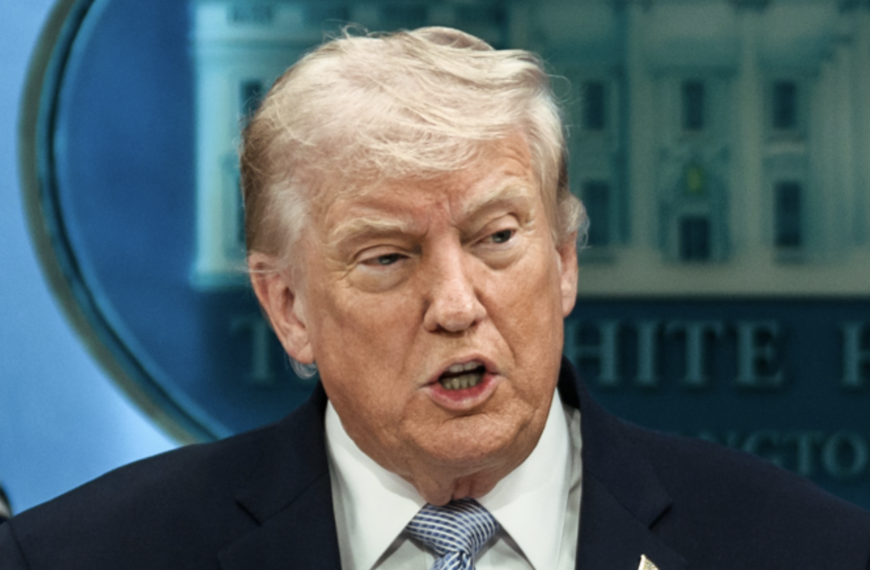

 By
By