
Peter Thiel delivered a series of private lectures in Rome this week warning of an Antichrist tied to modern existential risks, prompting a response from Catholic thinkers who described his views as a form of heresy.
The lectures, held near the Vatican and organized by the Vincenzo Gioberti Cultural Association, focused on what organizers described as forces “intent on destroying what remains of the West.” Participation was by invitation only, and the venue, Palazzo Orsini Taverna, was not publicly disclosed until the event began, according to The New York Times.
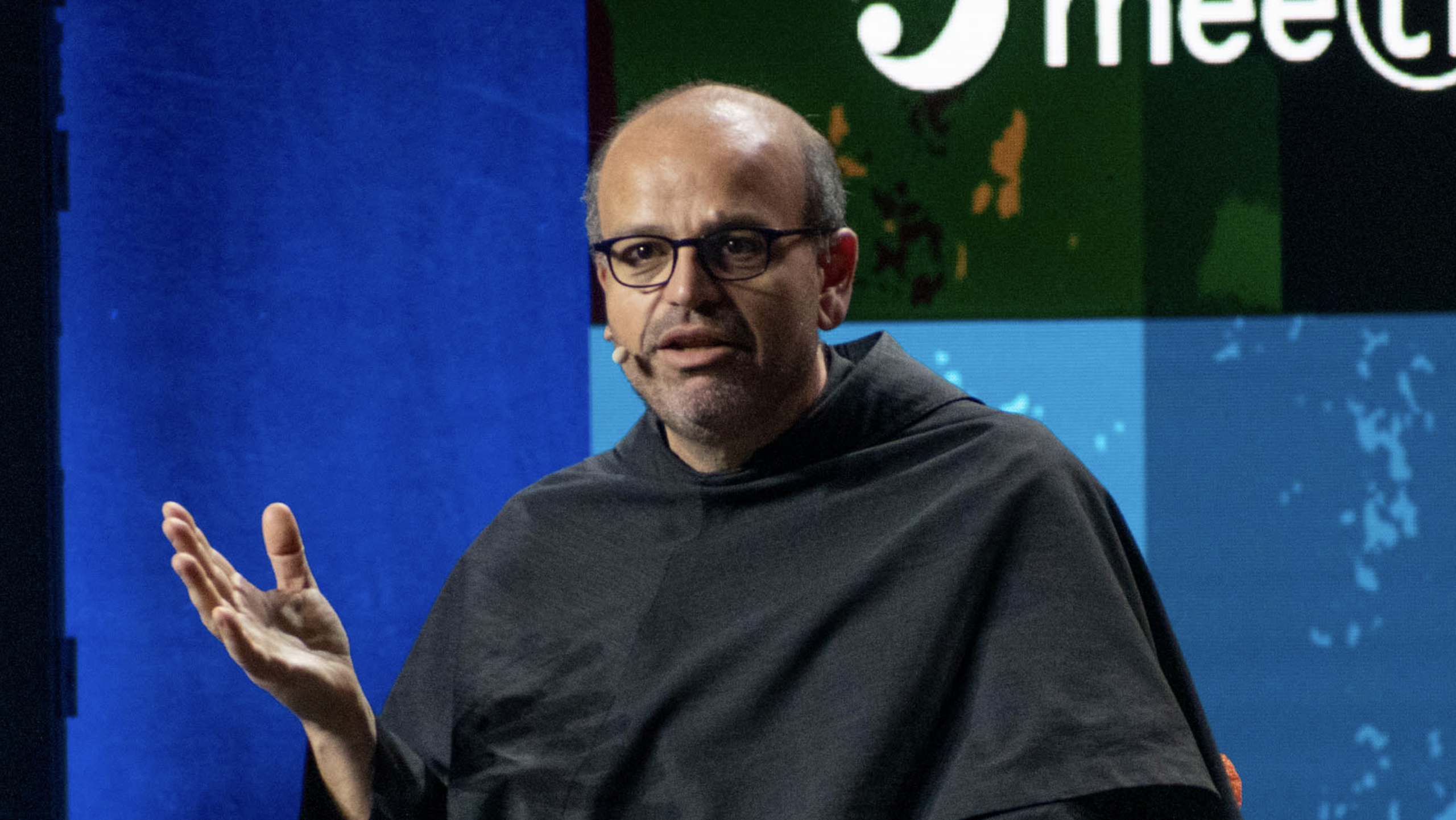
The appearance drew criticism from Paolo Benanti, a Vatican adviser on artificial intelligence, who argued in an essay published by Le Grand Continent that Thiel’s ideas represent “a prolonged act of heresy against the liberal consensus.”
The Accusation of Heresy
Benanti’s essay framed Thiel’s arguments as a departure from established Catholic and democratic principles. In Catholic doctrine, heresy refers to a fundamental break from accepted teachings rather than a disagreement over interpretation.
According to the essay, Thiel’s views challenge “the very foundations of civil coexistence,” positioning his interpretation of Christian prophecy as incompatible with the political and moral framework that underpins modern democratic societies.
Thiel’s Warnings on the Antichrist
Thiel has said he is drawing on biblical prophecy to warn of an Antichrist figure who could emerge by promising protection from threats such as nuclear war, climate change, and artificial intelligence. He has argued that efforts to mitigate these risks could lead to centralized global control, according to The New York Times.
In a previous interview with New York Times columnist Ross Douthat, Thiel responded to a question about the Antichrist by asking, “How much time do we have?” and expressed concern that managing existential risks could justify the creation of a one-world government.
Criticism From Catholic Institutions
Benanti said Thiel’s framework risks accelerating the decline of liberal democracy, suggesting that it could create conditions more favorable to concentrated technological power. He argued that Thiel had reshaped core Western values such as competition, individualism, and technological progress in ways that could lead to “radically divergent results from the common democratic project.”
Additional criticism came from Avvenire, a newspaper owned by Italian bishops, which described Thiel as an “agent of chaos” and warned that his ideas could contribute to a form of “light autocracy.”
Institutional responses also emerged. The Pontifical University of St. Thomas Aquinas denied reports that it was hosting the lectures, and officials in the Diocese of Rome said no request had been approved for related religious services.
Public and Political Reaction
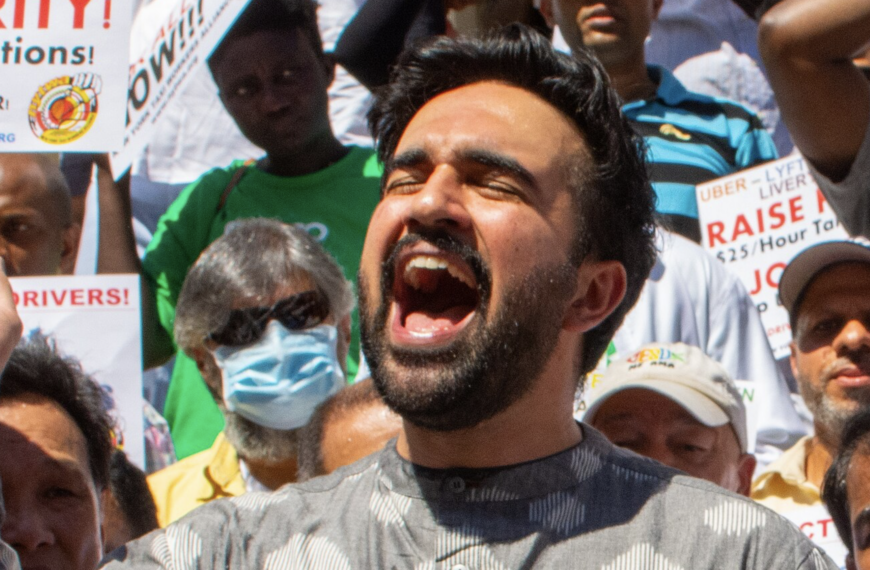
Outside the event, members of the No Kings movement demonstrated near Italy’s defense ministry, holding signs opposing Thiel’s presence in Rome. Protesters described him as part of a group of “technoligarchs,” reflecting concerns about the influence of technology leaders in global affairs.
Thiel, an early supporter of U.S. President Donald Trump and Vice President JD Vance, has described his religious beliefs as “somewhat heterodox.” A spokesperson for Thiel did not immediately respond to requests for comment.
Broader Implications
The dispute highlights tensions between technology leaders and religious institutions over how to interpret emerging risks tied to artificial intelligence and global governance. Catholic officials, including Benanti, have increasingly engaged in debates over the ethical use of technology.
The reaction in Rome suggests that Thiel’s views are facing closer scrutiny within the Catholic intellectual community, particularly as discussions around artificial intelligence and political authority expand, according to The New York Times.

 By
By

 By
By