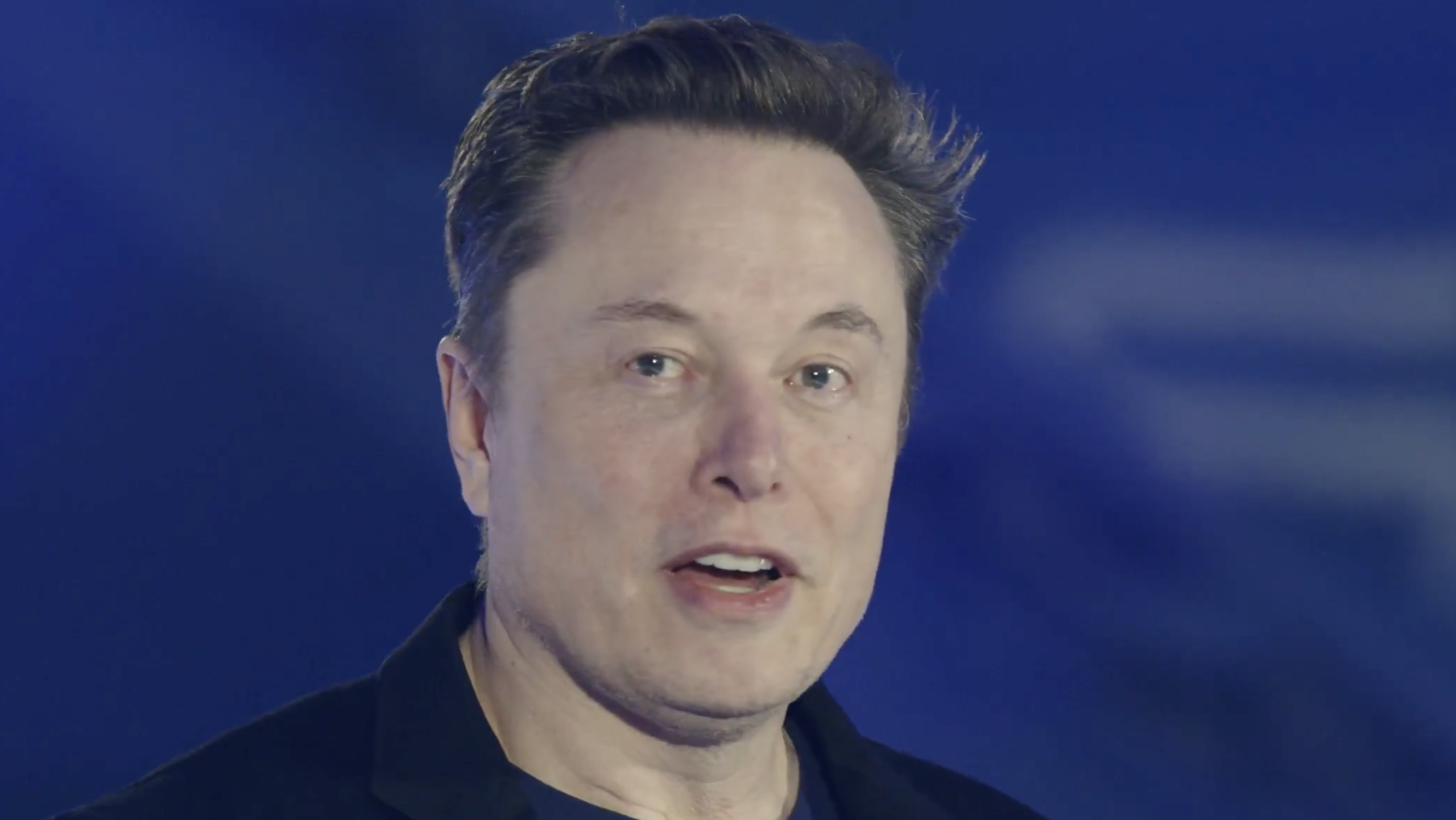

Elon Musk said advances in artificial intelligence and robotics could eventually create an economy where goods and services are effectively free, describing the idea during a presentation on his “Terafab” chip manufacturing initiative.
“Things will be free in the future,” Musk said. “If you’ve got an AI robotics economy that is anywhere close to a million times the size of the current Earth economy, literally any need you possibly want can be met.”
Elon Musk: "Things will be free in the future. If you've got an AI or robotics economy that is anywhere close to a million times the size of the current Earth economy, literally any need you possibly want can be met."pic.twitter.com/RjOdbVIO4K
— Rohan Paul (@rohanpaul_ai) March 22, 2026
Musk made the remarks while outlining Terafab, a large-scale chip manufacturing project involving Tesla, SpaceX and xAI that is intended to expand global computing capacity, according to Business Insider. He has said the effort is necessary to meet growing demand for artificial intelligence systems, robotics and space-based computing infrastructure.
The concept of a “free” economy, as Musk described it, is tied to the idea that AI systems and automated machines could dramatically increase productivity, lowering the marginal cost of producing goods and delivering services. Tesla’s Optimus humanoid robot and large-scale AI systems are central to that vision, which Musk has said could require computing power far beyond current global supply.
During the same presentation, Musk linked the expansion of computing capacity to space-based infrastructure, including solar-powered AI satellites and future industrial activity beyond Earth. He described a long-term scenario in which increased energy availability and automation could support large-scale economic output, extending beyond the Moon and Mars.
He also framed the idea in terms of access, suggesting that if production constraints are removed, goods and experiences could become widely available. Musk pointed to the possibility of future space travel, saying that in such a system, even trips deeper into the solar system could become broadly accessible.
Musk acknowledged the speculative nature of the concept, saying it “sounds nuts,” and compared it to post-scarcity societies described in science fiction, including Iain M. Banks’ “Culture” series, which depicts a future without money and with abundant resources.
Musk has made similar statements in recent months about the long-term effects of artificial intelligence on the economy. In a post on X, he wrote that “all jobs will be optional” and predicted “universal high income.”
In another exchange, Musk responded to a post by investor Ray Dalio discussing financial literacy and the importance of saving and investing under the current economic system. Dalio had emphasized that “human capital” and financial education are central to long-term prosperity, arguing that individuals must learn to earn, save and invest effectively.
Musk replied that such constraints may not apply in the future, writing that “there will be no poverty in the future and so no need to save money,” adding that “there will be universal high income.”
It is certainly a nice gesture of the Dells, but there will be no poverty in the future and so no need to save money.
— Elon Musk (@elonmusk) December 17, 2025
There will be universal high income.
The exchange highlights a broader contrast between current economic frameworks, which rely on income, savings and capital allocation, and Musk’s view that advances in AI and automation could eventually reduce the need for traditional financial structures.
Musk did not provide a timeline for when such an economy could emerge. The idea depends on significant advances in artificial intelligence, automation, energy production and manufacturing, and remains a subject of debate among economists and policymakers.

 By
By
 By
By