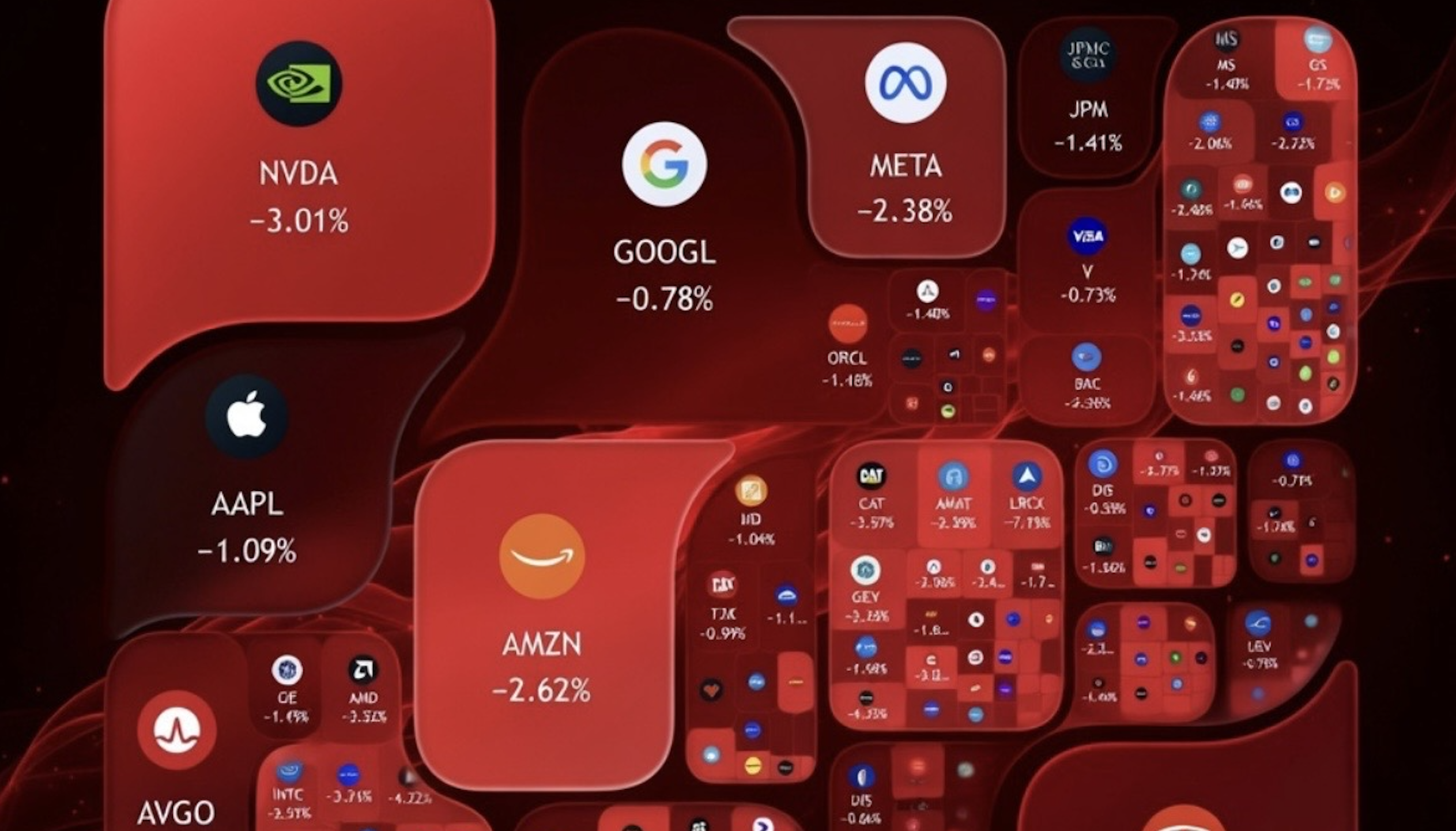

The U.S. stock market experienced a significant downturn on Friday, wiping out approximately $805 billion in total market capitalization as major indices closed sharply lower, driven by heavy losses in technology giants and broader sector declines.
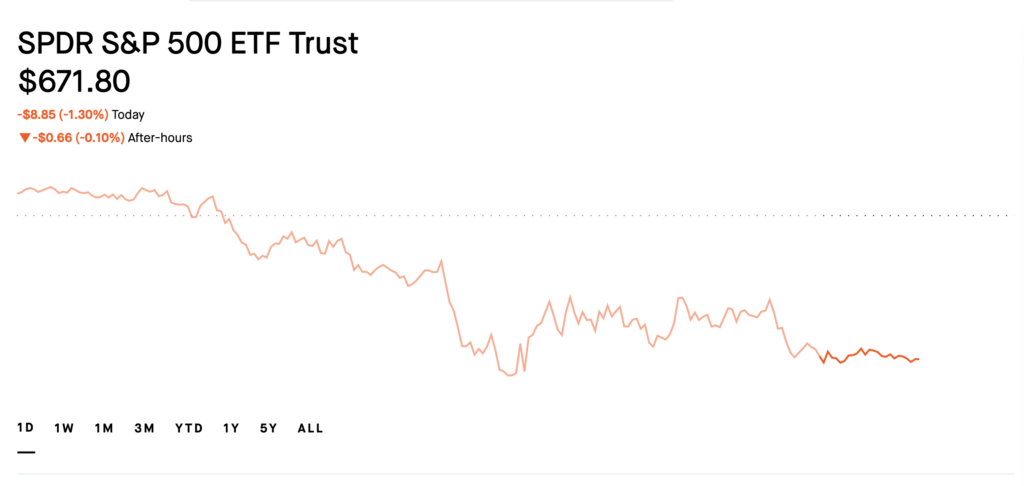
The S&P 500 index fell 1.33% to close at 6,740.02, marking a loss of roughly $805 billion based on an approximate $60 trillion total market valuation, according to market data and analysis. The Dow Jones Industrial Average dropped 0.9%, amid widespread selling pressure.
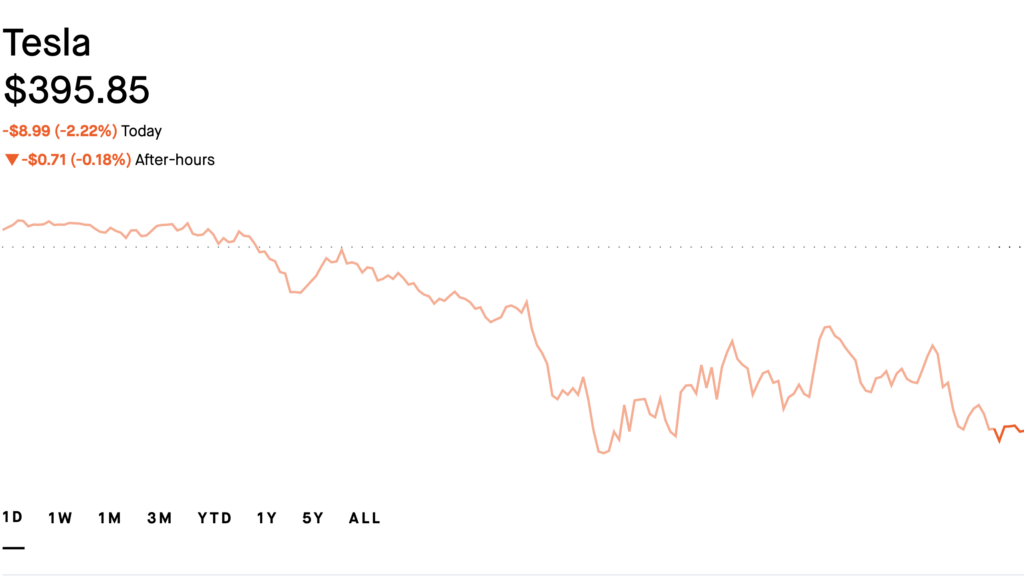
The decline was particularly pronounced in the technology sector, with a heatmap of major stocks showing Nvidia Corp down 3.08%, Amazon.com Inc off 2.67%, and Tesla Inc sliding 2.22%. These losses contributed to a broader downturn across electronic technology and services sectors, which appeared in red across the board, reflecting investor concerns over valuations and external risks.
This sharp drop follows a period of heightened volatility in recent weeks, fueled by escalating tensions in the Middle East and uncertainties surrounding potential tariff policies. Market observers noted that the sell-off underscores fragile investor sentiment, coming on the heels of record highs achieved in 2025.
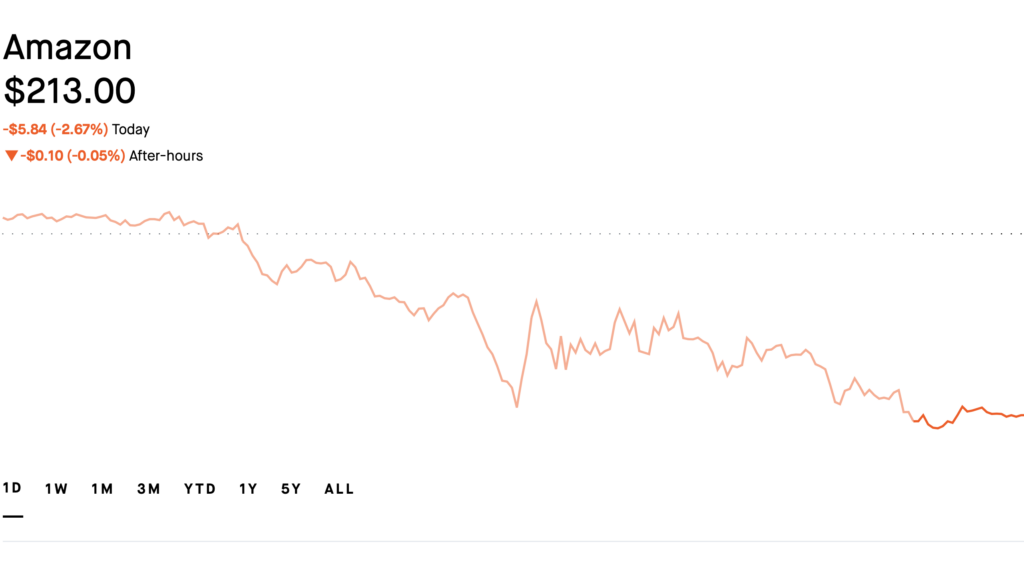
Analysts attributed part of the weakness to profit-taking in high-flying tech stocks, which have been at the forefront of the market’s rally but are now facing scrutiny over growth prospects amid global economic headwinds.
Despite the day’s losses and many peoples panic, some market participants viewed the pullback as a healthy correction rather than the start of a prolonged bear market. Trading volume was elevated, suggesting active repositioning by institutional investors.
The broader economic context includes ongoing debates over monetary policy, with the Federal Reserve’s recent signals on interest rates adding to the mix of factors influencing sentiment.
As trading resumes next week, investors will be watching for any signs of stabilization or further escalation in geopolitical risks that could impact global markets. The U.S. stock market’s performance continues to serve as a barometer for worldwide economic health, with ripple effects felt in international exchanges.

 By
By



 By
By