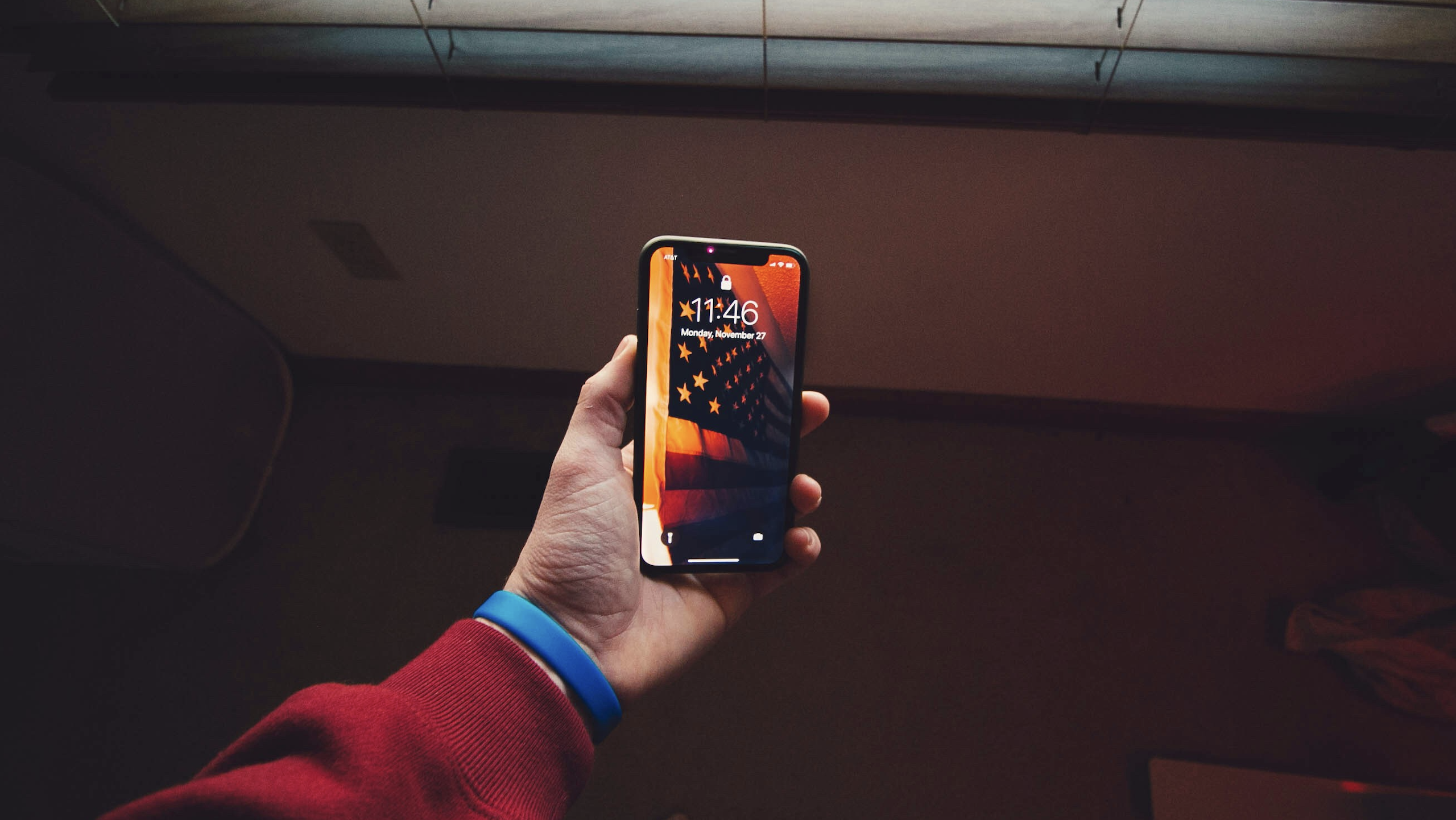

Nevada law enforcement can now access near real-time cellphone location data and detailed movement patterns of individuals without a warrant.
In January 2026, the Nevada Department of Public Safety (which oversees the Nevada State Police) signed a contract with Fog Data Science, a company that aggregates location data harvested from smartphone apps and sold through data brokers.
The agreement allows state investigators to track mobile devices virtually in real time and analyze long-term “patterns of life” — including where people live and work, who they associate with, and places they visit — with more than 250 queries permitted per month.
Because the data is commercially purchased rather than requested directly from cellphone carriers, no judicial warrant is required. The low annual cost of the contract — roughly $12,000 — was funded by a federal grant and approved by a state clerk, bypassing higher-level review.
As first reported by The Nevada Independent, the tool will be used by trained investigators in the Nevada Threat Analysis Center and the Investigation Division.
Official Use and Statements
The Nevada Department of Public Safety has stated the tool will be used only to support specific criminal and terrorism-related investigations, as well as threat-based analysis. It will not be used for generalized tracking, traffic stops, or broad monitoring of the public.
In a statement to The Nevada Independent, agency officials said any use “follows agency procedures and internal controls” and is applied “in accordance with applicable laws and constitutional protections.” They described current use as “limited, controlled circumstances” while they evaluate the platform with partner agencies.
Fog Data Science defended the product, with Chief Privacy Officer Mark McGinnis stating that the company provides access to “lawfully obtained, commercially and ethically sourced mobile advertising data that is anonymized and does not include personally identifiable information.” The company also offers an opt-out tool on its website.
Privacy Concerns and Criticism
Privacy advocates have raised strong objections, arguing the program circumvents Fourth Amendment protections.
Jacob Valentine, staff attorney at the ACLU of Nevada, called the arrangement “alarming,” saying it reflects growing attempts to track people’s movements while avoiding the warrant process.
Beryl Lipton, a researcher at the Electronic Frontier Foundation, expressed concern that 250+ monthly queries could allow investigators to “vacuum up” information about people unrelated to any investigation.
Public defender John Piro of the Clark County Public Defender’s Office described the technology as “unconstitutional,” citing the 2018 U.S. Supreme Court ruling in Carpenter v. United States, which held that detailed cellphone location data generally constitutes a search requiring a warrant.
Critics note that while users may knowingly share location data with apps, few realize that information can end up in the hands of police through data brokers.
This marks the latest example of law enforcement using commercially available data to expand surveillance capabilities amid ongoing debates over privacy guardrails in Nevada and nationwide.

 By
By


 By
By