
Maryland is poised to become the first state in the nation to ban “surveillance pricing” — also known as dynamic or personalized pricing — in grocery stores, prohibiting large retailers from using shoppers’ personal data to charge different prices for the same items.
The Protection from Predatory Pricing Act passed the Maryland General Assembly on April 11, 2026. Governor Wes Moore, who introduced the bill in January as part of his 2026 legislative agenda, has stated he “can’t wait to sign it” and is expected to do so shortly. The law would take effect on October 1, 2026.
The legislation targets the growing practice in which food retailers and third-party delivery services use consumer data — such as shopping history, location, browsing behavior, or other personal information — to adjust prices in real time for individual shoppers. Proponents argue the practice is opaque, unfair, and drives up costs for working families at a time when grocery prices remain a major concern.
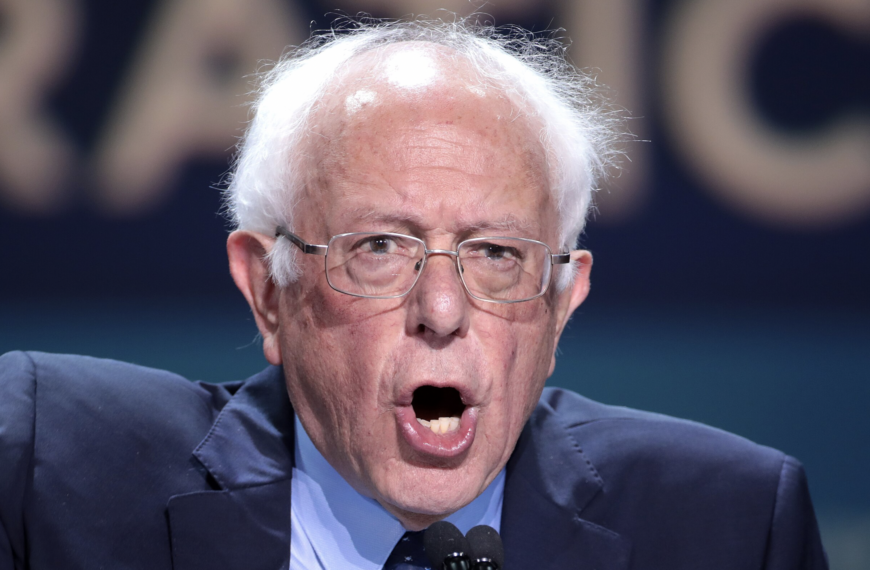
“Marylanders deserve to know that the price they see on the shelf is the price they will pay at the register,” Governor Moore said when announcing the bill in January. He framed the measure as a way to shield consumers from invasive data practices and unpredictable price spikes that make grocery bills more expensive.
What the Bill Prohibits
Under HB 895, “food retailers” (generally defined as stores of at least 15,000 square feet selling food for off-premises consumption) and third-party delivery providers would be barred from:
- Engaging in dynamic pricing based on consumer personal data
- Using “surveillance data” to set individualized prices
- Using protected class data (such as information tied to race, religion, or other legally protected characteristics) in ways that discriminate in pricing or offers
Violations would be treated as unfair, abusive, or deceptive trade practices, with potential penalties up to $10,000 for a first offense. The bill also includes a requirement that prices remain fixed for at least one business day in many cases to prevent rapid hourly fluctuations.
The law includes several exemptions and carve-outs that were added during the legislative process, which allowed the Maryland Retail Alliance (which initially opposed the bill) to drop its resistance. It does not apply to smaller independent grocers, restaurants, or non-food retailers, and still permits traditional promotional offers and loyalty program discounts.
Mixed Reactions and Limitations
Consumer advocacy groups that supported the original concept praised Maryland for taking the lead but expressed disappointment with the final version. Consumer Reports stated that while the bill marks an important first step, it “falls short of adequately protecting consumers” due to loopholes and exemptions added during negotiations.
Privacy and consumer rights organizations, including the Electronic Privacy Information Center (EPIC), testified in favor of stronger protections against surveillance-based pricing, noting that such practices are difficult for shoppers to detect and avoid.
Critics from the retail and grocery industry argued that restrictions could limit the ability to offer personalized discounts, digital coupons, and price reductions on perishable goods, potentially raising costs or reducing waste-saving practices for some consumers.
A National First on Grocery Data Privacy
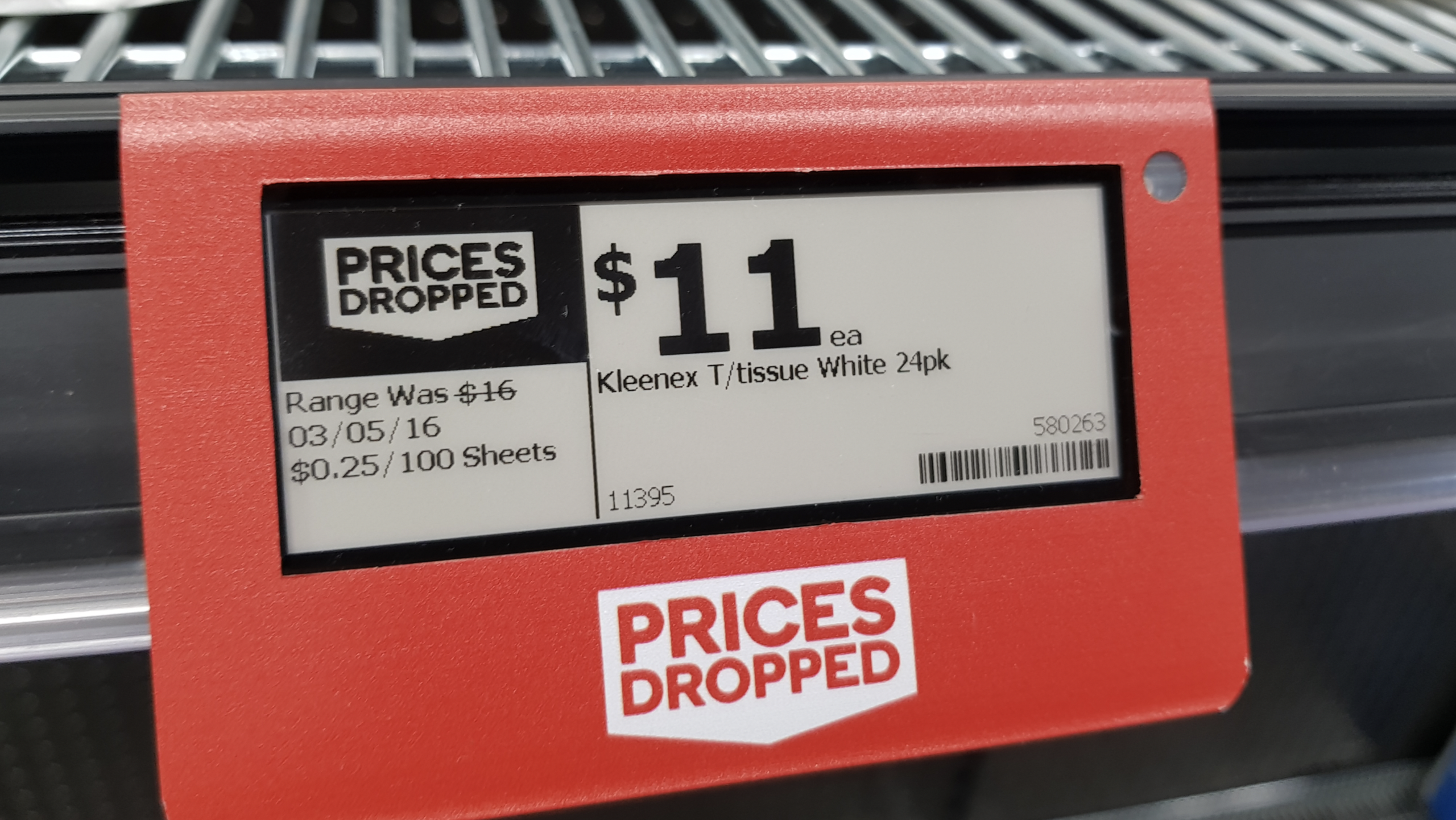
If signed, Maryland’s law would represent the first statewide ban specifically targeting surveillance pricing in the grocery sector. The practice has drawn increasing scrutiny nationwide as retailers adopt electronic shelf labels and sophisticated data analytics tools that enable real-time price adjustments.
Governor Moore positioned the bill as part of a broader effort to protect Marylanders’ pocketbooks and data privacy amid rising costs for everyday necessities.
The legislation now heads to Governor Moore’s desk, where his signature would make Maryland the first state to enact such protections — potentially setting a precedent for other states considering similar measures on retail pricing transparency and consumer data use.


 By
By



 By
By