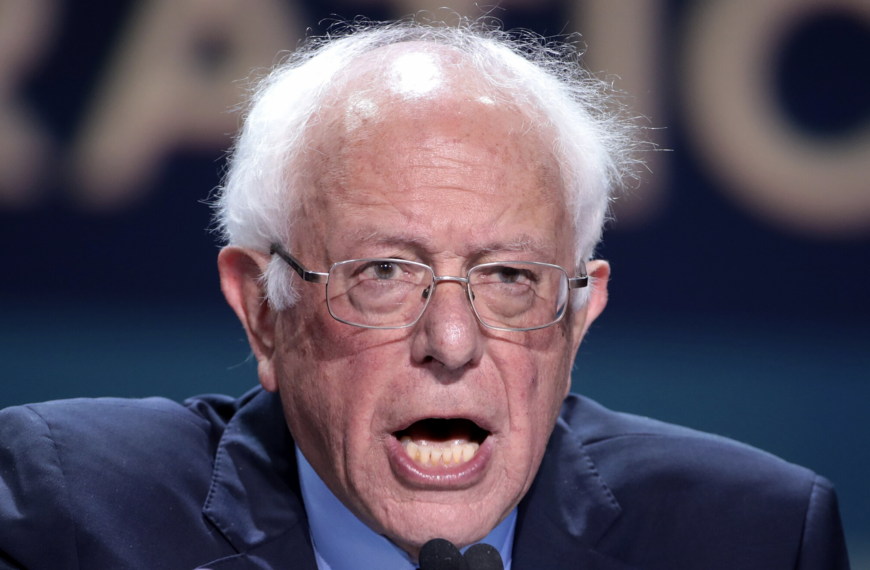
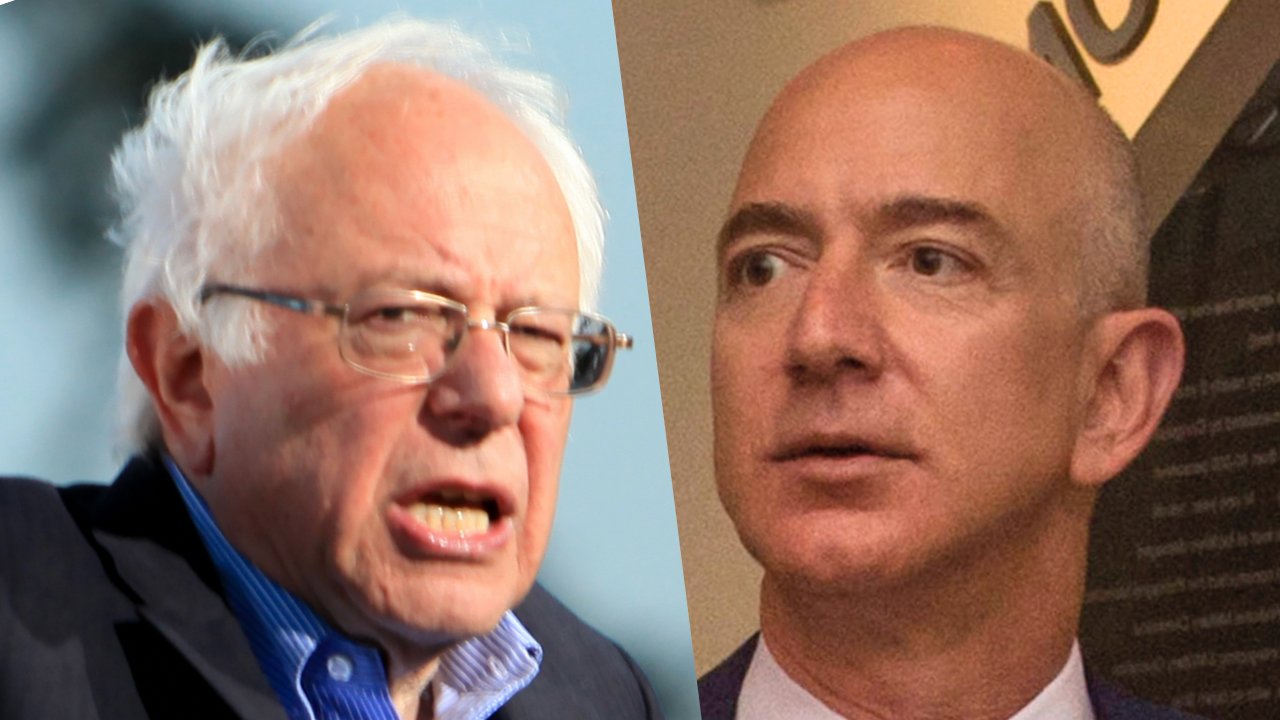

Sen. Bernie Sanders on Monday criticized Jeff Bezos over reports that the Amazon founder is seeking to raise $100 billion to invest in manufacturing companies and accelerate automation, warning the effort could have sweeping consequences for American workers.
“Jeff Bezos, worth $233 billion, wants to raise $100 billion to replace factory workers with robots. That’s a declaration of war against the working class,” Sanders wrote in a post on X. “He must explain to the American people what happens when millions lose their jobs. How will they survive?”
Jeff Bezos, worth $233 billion, wants to raise $100 billion to replace factory workers with robots.
— Sen. Bernie Sanders (@SenSanders) March 23, 2026
That’s a declaration of war against the working class.
He must explain to the American people what happens when millions lose their jobs. How will they survive? pic.twitter.com/fbubyX7o6V
The comments come as Sanders formally called on Congress to hold a hearing examining the potential impact of artificial intelligence and robotics on the labor force, urging that Bezos testify before lawmakers, according to a statement released by his office.
In a letter to Senate Health, Education, Labor, and Pensions Committee Chair Bill Cassidy, Sanders said lawmakers must understand whether displaced workers would receive severance, retain healthcare benefits, or have access to retirement support if large-scale automation were to take place. He warned that new technologies should not be used “as another tool to make the wealthiest people in the world unimaginably richer.”
The criticism follows reporting that Bezos is in early discussions to raise a $100 billion investment vehicle aimed at acquiring manufacturing firms and using artificial intelligence to improve efficiency and expand automation, according to The Wall Street Journal. The effort, described in investor materials as a “manufacturing transformation vehicle,” would target sectors including chipmaking, defense, and aerospace.
The fund would be among the largest of its kind and reflects a broader shift toward applying AI systems beyond software into physical industries such as robotics and industrial production. Bezos is also involved in Project Prometheus, a startup developing artificial intelligence models designed to simulate real-world environments and improve engineering and manufacturing processes.
Sanders’ concerns align with growing warnings about the potential impact of AI on employment. In the same letter, he cited estimates from consulting firm Cognizant suggesting that 93% of American jobs could face some level of disruption from AI, with as many as 30% potentially eliminated as the technology advances.
Automation has already begun reshaping parts of the economy. Companies including Amazon have deployed robotics extensively in warehouses, and advances in artificial intelligence have been linked to layoffs across sectors ranging from technology to finance. While manufacturing automation remains at an earlier stage, investment in AI-driven systems has accelerated rapidly in recent years.
The debate reflects a broader divide over how emerging technologies should be managed. Sanders has argued that policymakers must ensure innovations benefit workers and do not exacerbate inequality, while many technology leaders have emphasized the potential for AI and automation to increase productivity and transform industries.
Bezos has not publicly detailed the full scope or timeline of the proposed fund, and it remains unclear how quickly such investments could translate into large-scale changes in employment. It is also uncertain whether Congress will move forward with a hearing or whether Bezos will be asked to testify.

 By
By

 By
By