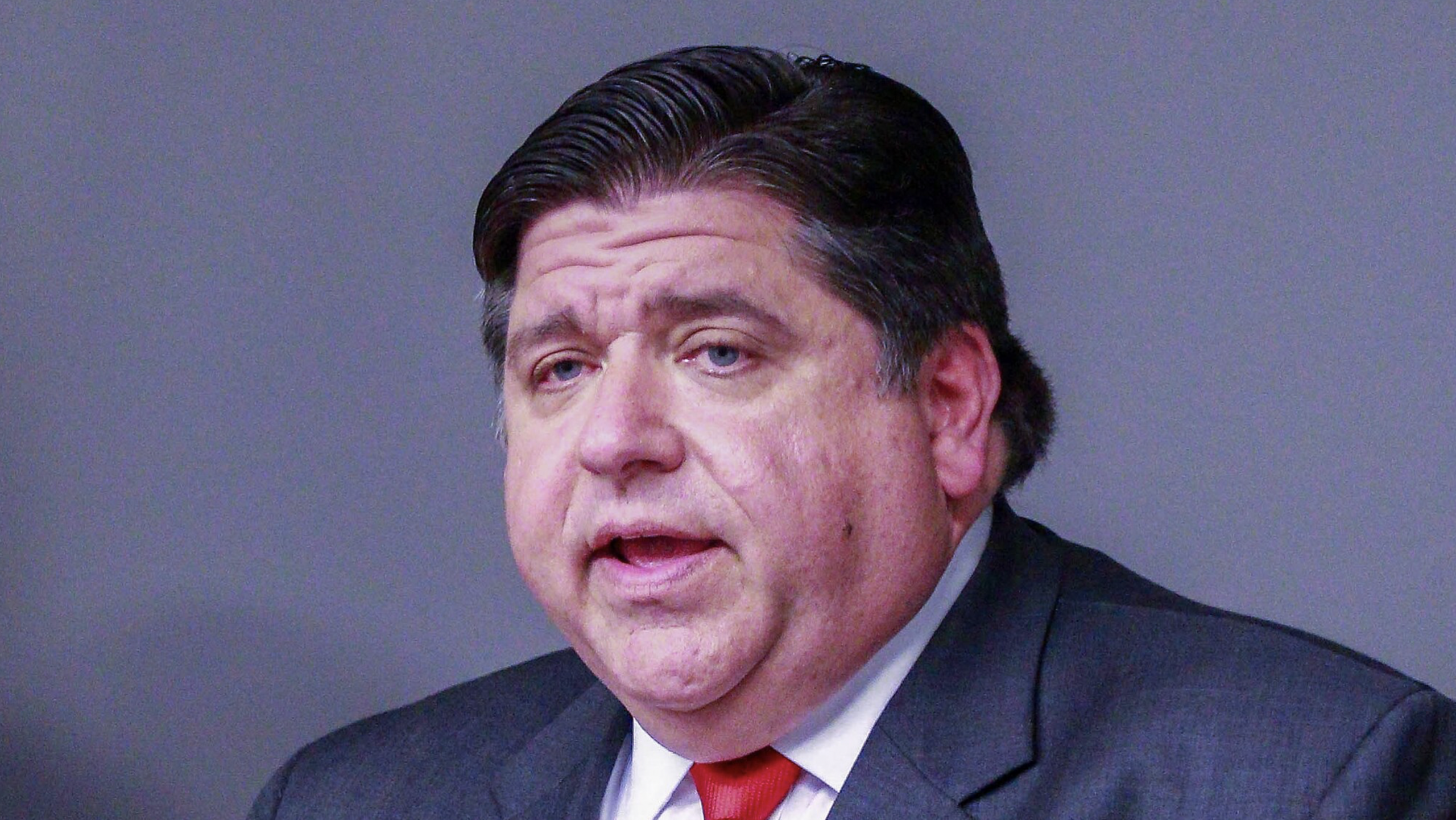

Illinois Governor JB Pritzker declared Friday that his state is poised to become a national leader in artificial intelligence regulation, posting on X that “Illinois will have one of the strongest AI safety laws in the nation” once he signs Senate Bill 315 — a sweeping piece of legislation that would, for the first time in any U.S. state, require major AI companies to undergo mandatory annual independent safety audits. The bill has already cleared both chambers of the state legislature with overwhelming support, and with the governor’s signature expected imminently, the tech world is watching closely.
A Historic Vote, and a Governor Ready to Act
The Illinois House of Representatives passed Senate Bill 315 on May 27, 2026, by a unanimous 110-0 vote, sending the Artificial Intelligence Safety Measures Act to Pritzker’s desk. The state Senate had already cleared it 52-5. The lopsided margins reflect what supporters describe as rare, genuine bipartisan agreement on a technology issue that has proved notoriously difficult to legislate at the federal level.
On the same day the House voted, Pritzker took to X to signal his enthusiastic support. “Illinois is leading the nation in holding Big Tech accountable,” he wrote. “As AI systems impact people’s lives, we need safeguards in place. I look forward to signing SB 315 and working with the legislature so that AI, when used, is used responsibly.” Then, on May 29th, Pritzker followed up with a second post making his intentions unambiguous: “Illinois will have one of the strongest AI safety laws in the nation once I sign the legislation.”
What SB 315 Actually Requires
The Artificial Intelligence Safety Measures Act targets developers of the largest and most advanced AI systems — known as “frontier” models — and imposes a multi-layered accountability framework unlike anything previously enacted in the United States.
The headline feature is a first for any U.S. jurisdiction: mandatory annual independent third-party audits of the safety practices of frontier AI labs. California and New York already require frontier developers to publish risk frameworks and report incidents — but neither forces an outside auditor to verify that those promises are real. Under SB 315, that verification is no longer optional.
Beyond the audit mandate, the law requires companies to create and publish detailed “frontier AI frameworks” outlining how they manage catastrophic risks, issue transparency reports summarizing model capabilities and risk assessments before deploying new systems, and report critical safety incidents within 72 hours. The legislation also establishes formal whistleblower protections, creating internal reporting processes and legal shields for employees who flag dangerous conduct or policy violations within their organizations.
Pre-deployment reports are another key aspect of SB 315, with covered entities required to issue reports outlining model capabilities, intended use, and risk disclosures.
Enforcement With Real Teeth
The Illinois Attorney General is empowered to enforce the act, and the penalties are designed to be felt even by the largest companies in the world. First-time violations carry civil penalties of up to $1 million, while subsequent offenses can reach $3 million per violation — consequences that represent a meaningful escalation beyond the largely voluntary frameworks that have governed much of the AI industry until now.
For the companies building the world’s most powerful models — OpenAI, Anthropic, Google, Meta, xAI — this turns a set of voluntary commitments into something an external party can inspect and an attorney general can enforce. That distinction is precisely what supporters say makes SB 315 a meaningful departure from what came before.
The Bill’s Sponsor on What’s at Stake
The legislation’s House sponsor, Democratic Rep. Daniel Didech, did not understate the stakes. “Artificial intelligence technology is among the most significant innovations, in my opinion, in the history of humanity,” Didech said. He framed the bill not as an obstacle to innovation but as a set of necessary guardrails. “This piece of legislation is designed to put up some guardrails and make sure we have some safeguards in place to protect against some of the worst catastrophic risks,” Didech told NBC News.
OpenAI and Anthropic Line Up in Support
In a notable departure from the posture AI companies have often taken toward state-level regulation, two of the industry’s most prominent players — OpenAI and Anthropic — publicly backed SB 315.
In a statement, OpenAI spokesperson Jamie Radice said, “The Illinois General Assembly has shown real bipartisan leadership in advancing SB 315 and developing a thoughtful framework for frontier AI safety. As AI systems become more capable, clear expectations around safety, transparency, incident reporting, and accountability matter.”
OpenAI added in a separate post on X that with Illinois joining New York and California in passing frontier AI safety legislation, “states are increasingly aligning around a common approach,” and that together “they are beginning to create a de facto national framework” — a development OpenAI called “a positive thing.”
Anthropic claimed to have been the first lab to back SB 315 and said it negotiated amendments directly with lawmakers. Not everyone in the industry was as enthusiastic, however — trade groups like NetChoice pushed back hard, and some tech trade organizations have raised concerns about the stringency of the auditing requirements.
Illinois Joins a Growing State-Led Movement
The passage of SB 315 does not happen in a vacuum. With sweeping federal AI legislation stalled in Washington, states have increasingly moved to fill the regulatory void on their own terms. Illinois would become the third state to set frontier model standards, following New York’s RAISE Act and California’s SB 53, the Transparency in Frontier AI Act.
The bill draws heavily on California’s SB 53 and New York’s RAISE Act, but the audit mandate is what makes it the most prescriptive frontier-safety framework any U.S. state has enacted. All three states converged on a $500 million revenue threshold and 72-hour-style incident reporting, but the enforcement teeth and audit requirements differ meaningfully.
What Comes Next
Once Pritzker signs the bill, it will take effect January 1, 2027 — giving companies roughly six months to come into compliance before the law carries the force of enforcement. The governor’s office has emphasized that the administration views AI as already actively reshaping critical aspects of American life. “Governor Pritzker believes that AI is already reshaping economies, education, and other facets of everyday life that require action and oversight from states,” a spokesperson said.
For the AI industry, the implications extend well beyond Illinois’ borders. As one observer noted, “As these models grow more powerful, this kind of enforceable accountability matters more than ever… Illinois lawmakers have set a new standard, and we hope other states and the federal government build on their dedication to AI safety.” Whether Washington eventually follows — or whether a patchwork of state laws becomes the de facto national framework — may be the defining regulatory question of the AI era.

 By
By


 By
By