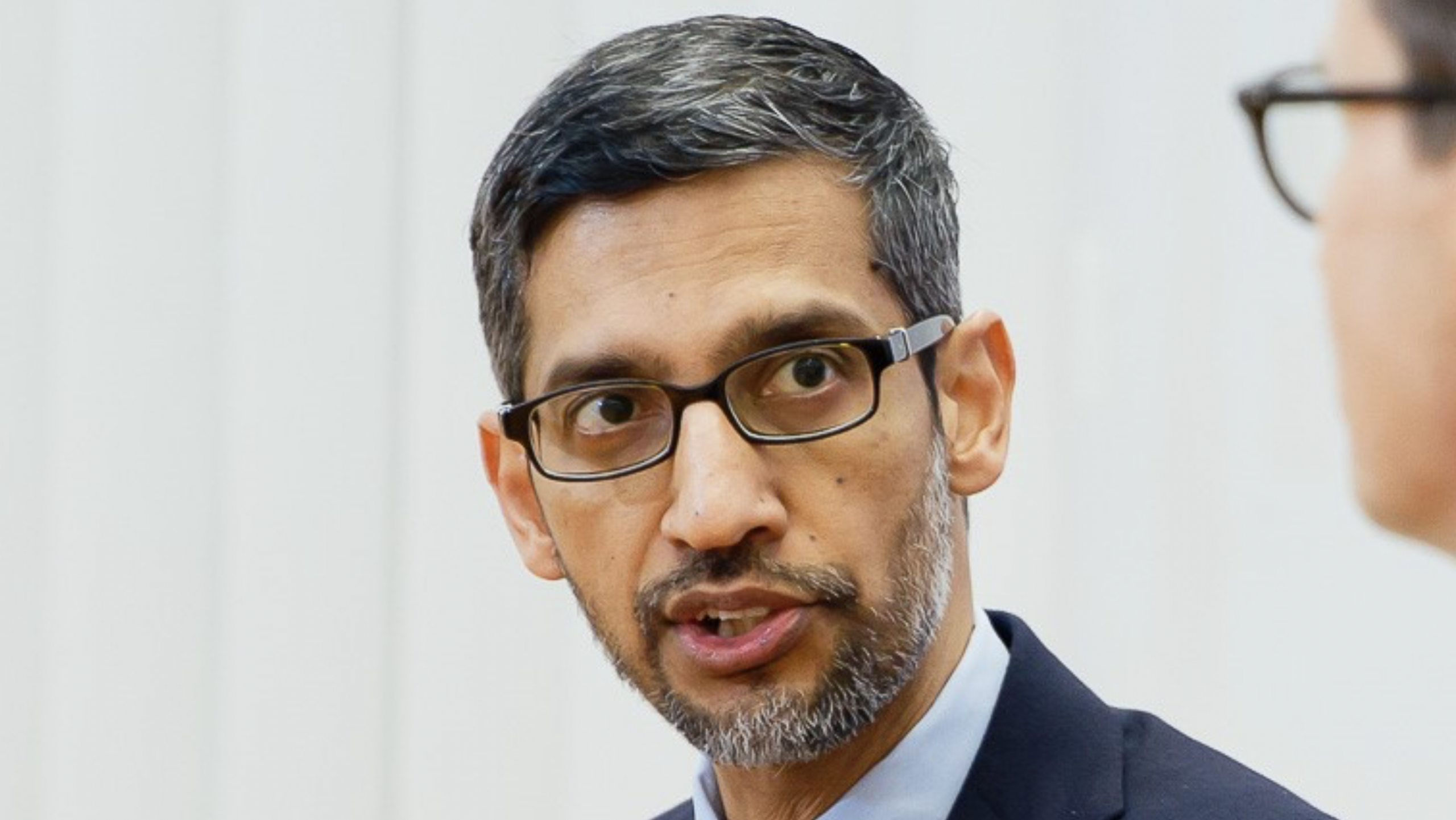

Sundar Pichai, chief executive of Google and its parent company Alphabet, used an interview appearance to emphasize the importance of American leadership in artificial intelligence, framing the technology as a defining force for the country’s future. Speaking during an interview on 60 Minutes that aired April 12, 2026, Pichai described AI as a transformative breakthrough and called for its development to be both ambitious and carefully managed to ensure broad public benefit.
Pichai directly linked the rise of artificial intelligence to a broader historical moment, stating, “For 250 years, America has led the world in inventing technologies that improve people’s lives. AI is the most profound technology yet. And once again, America must take the lead and develop it boldly and responsibly so every American benefits.” He pointed to early examples of AI’s practical impact, citing its use in medical research to discover life-saving treatments, in education to help teachers tailor lesson plans, and in emergency response to improve wildfire tracking.
Google CEO @sundarpichai says the U.S. "must take the lead" on artificial intelligence "and develop it boldly and responsibly so every American benefits.”
— 60 Minutes (@60Minutes) April 13, 2026
"I’m optimistic, not because I believe in technology, but because I believe in people, and the sheer power of American… pic.twitter.com/APCFGLxcvD
The interview underscored a consistent theme in Pichai’s remarks: that technological advancement should translate into tangible societal gains. He described how AI is already being applied across sectors in ways that could reshape daily life, while stressing that its long-term value depends on ensuring accessibility and widespread benefit rather than concentrated advantage.
Pichai also highlighted the human dimension of technological progress through a personal example, recalling his father’s reaction to autonomous driving technology. “My dad is a retired engineer in his 80s. I’ll never forget the awe on his face during his first ride in a safe self-driving car on the streets of San Francisco. It was magical,” he said, using the moment to illustrate how innovation can resonate across generations and backgrounds.
At the same time, he acknowledged that the expansion of artificial intelligence brings policy and workforce challenges. “Of course, with any technology, there are challenges to work through from investing in workforce training and putting the right regulations in place,” Pichai said, pointing to the need for coordinated efforts between industry and government to manage the transition responsibly.
Despite those challenges, Pichai expressed confidence in the country’s ability to navigate the shift, concluding, “Still, I’m optimistic, not because I believe in technology, but because I believe in people and the sheer power of American ingenuity.” His remarks reflect a broader vision that positions AI not only as a technological milestone but as a national priority requiring leadership, investment, and careful oversight.
Pichai, who has led Alphabet since 2019 after succeeding cofounder Larry Page, has been with Google since 2004 and previously became its CEO in 2015. According to Forbes, he is worth approximately $1.5 billion and holds a small ownership stake in the company. Born in India, he later attended Stanford University after his father spent a year’s salary to send him to the United States, a background that has informed his longstanding focus on expanding access to technology and its benefits.


 By
By



 By
By