
WASHINGTON, D.C. — More than six decades after President John F. Kennedy was shot dead in Dallas, the United States Congress is moving to produce what could be its most comprehensive public accounting of the assassination record in a generation — and it has just named one of the country’s foremost intelligence researchers to help write it.
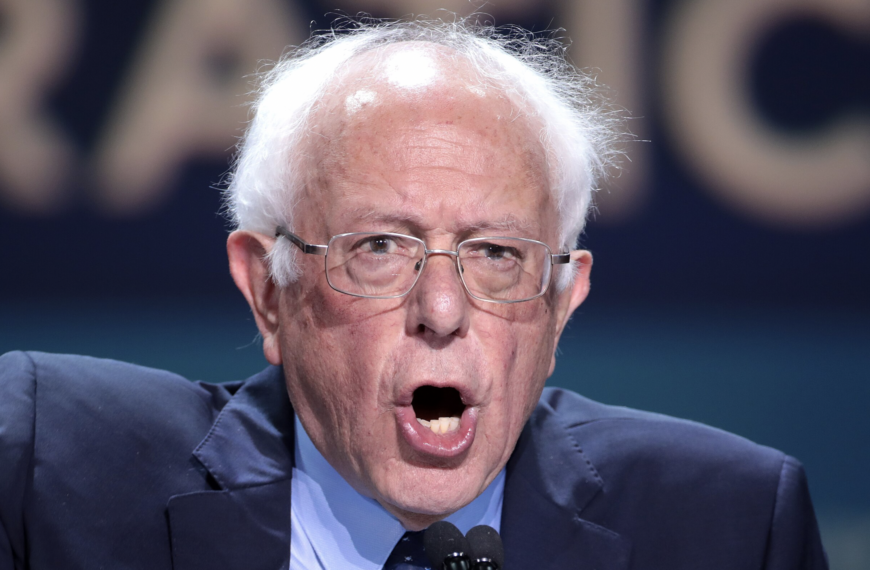
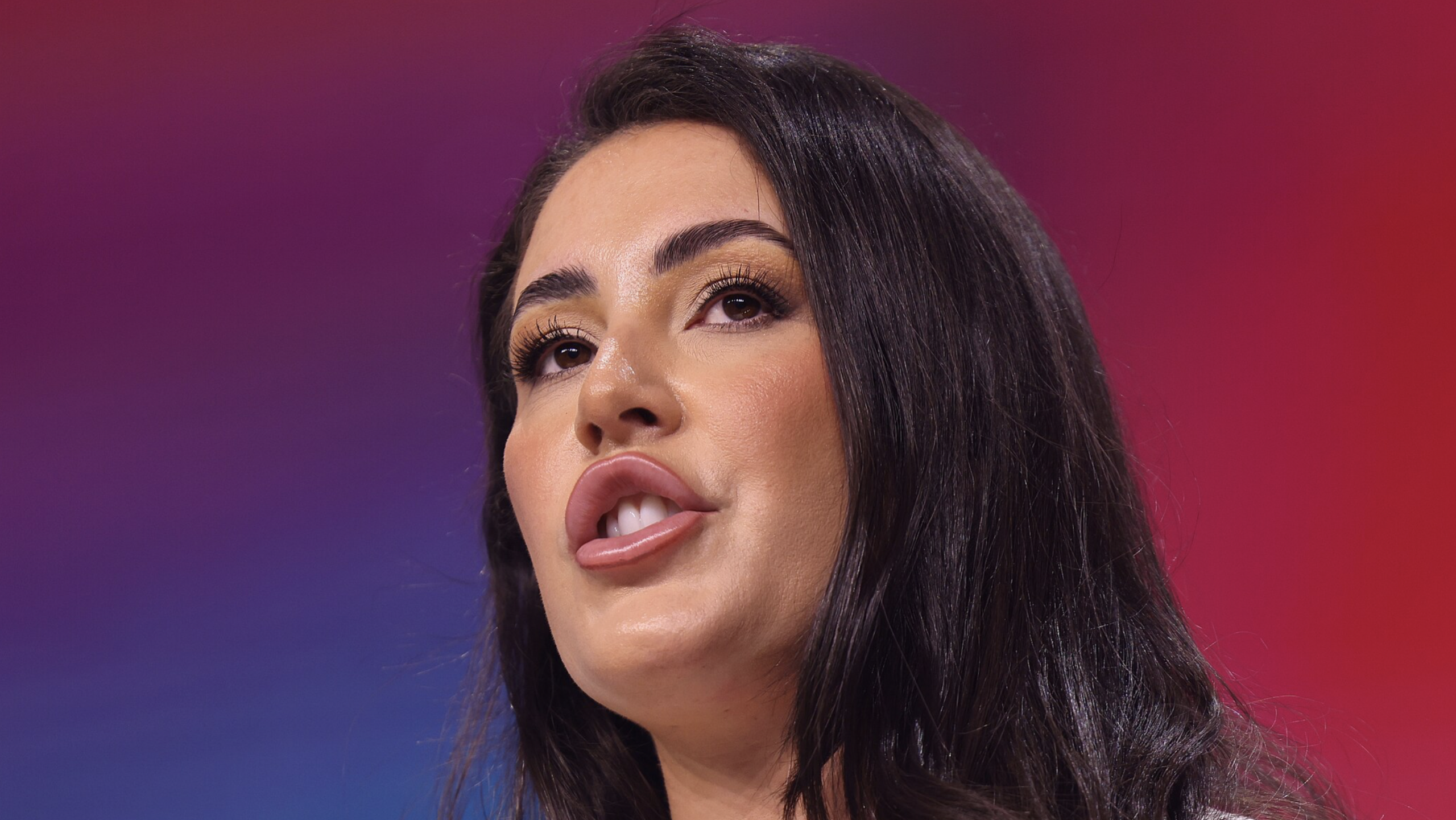
Rep. Anna Paulina Luna (R-Fla.), the Trump-endorsed chairwoman of the House Task Force on the Declassification of Federal Secrets, announced on May 26, 2026, the formal appointment of veteran Washington journalist and CIA scholar Jefferson Morley as an official adviser to the task force. The panel, operating under the House Committee on Oversight and Government Reform, is now preparing what Luna has described as a comprehensive final report on the status of Kennedy assassination records — a digital and archival reckoning that follows President Donald Trump’s sweeping declassification executive order signed at the outset of his second term.
A Formal Appointment, a Focused Mission
In a press release issued for immediate distribution through the House Oversight Committee, Luna framed the appointment in direct terms. “Today, I am pleased to announce the appointment of Jefferson Morley as an adviser to the Task Force on Declassification of Federal Secrets as it prepares its report on the status of records related to the assassination of President John F. Kennedy following President Donald Trump’s Executive Order 14176,” Luna stated. “His appointment will support the Task Force’s ongoing work to advance greater transparency regarding one of the most consequential unresolved chapters in American history.”
The announcement signals a transition in the task force’s operational posture — from the public hearing phase to final reporting. Luna stated in the release that the panel “looks forward to his assistance in publishing a comprehensive report on the assassination of President John F. Kennedy in the near future.”
Who Is Jefferson Morley?
Morley is no newcomer to this subject. He serves as vice president of the Mary Ferrell Foundation, which hosts what Luna’s office described as the largest online archive of JFK assassination records and has been central to nearly every major legal and legislative push to compel the government to release those documents. He is the author of three books on the CIA and is regarded across the research and intelligence community as one of the leading independent authorities on the events surrounding November 22, 1963.
His investigative track record runs deep into the institutional machinery surrounding the assassination. Morley spent more than a decade pursuing CIA records tied to a covert agency officer who served as the case officer for a Cuban exile group that had multiple documented interactions with Lee Harvey Oswald in the summer of 1963 — an investigation that eventually resulted in federal litigation against the CIA. Among his documented findings: a senior CIA counterintelligence official had a 180-page file on Oswald sitting on his desk just one week before Kennedy traveled to Dallas. Luna’s release cited his credentials unambiguously, calling him “widely regarded as one of the leading authorities on the events surrounding November 1963.”
Morley was also among the researchers helping Luna review the 350 pages of documents handed over by Russia in late 2025 — documents related to Oswald’s time in the Soviet Union that Luna had spent months coordinating to obtain. At the time, Morley offered a measured assessment of that material, telling The New York Post it was “potentially very important, but potentially propaganda, too. So, we need to dig in and really understand what we have.”
The Executive Order That Started It All
The task force’s entire mandate flows from a single government action. President Donald J. Trump signed Executive Order 14176, titled “Declassification of Records Concerning the Assassinations of President John F. Kennedy, Senator Robert F. Kennedy, and the Reverend Dr. Martin Luther King, Jr.,” on January 23, 2025. The order declared that the continued withholding of Kennedy assassination records was not consistent with the public interest and that their release was long overdue.
In accordance with a subsequent Trump directive dated March 17, 2025, all records previously withheld for classification as part of the President John F. Kennedy Assassination Records Collection were released on March 18, 2025. Starting that day, the records were made available to the public either online at archives.gov/jfk or in person at the National Archives at College Park, Maryland.
The President John F. Kennedy Assassination Records Collection consists of over six million pages of records, photographs, motion pictures, sound recordings, and artifacts. As the records continue to be digitized, they are being posted on a rolling basis, and in an effort to maximize transparency, the records were released without redactions.
From Witness to Adviser
Morley’s formal appointment builds on an already active working relationship with the panel. He appeared as a witness at the task force’s April 1, 2025 hearing on the JFK files, alongside filmmaker Oliver Stone and researcher James DiEugenio.
Following the initial tranche of released documents, Morley described the disclosures as an encouraging start, noting that much of what he called “rampant overclassification of trivial information” had been stripped from the records. He also noted, however, that the first release did not include two-thirds of the promised files, any of the recently discovered FBI files, or approximately 500 Internal Revenue Service records.
The FBI separately uncovered approximately 2,400 previously undisclosed records related to the assassination following Trump’s executive order, found across 14,000 pages of documents. Morley assessed that discovery as evidence the FBI was taking the order seriously, while experts broadly cautioned that the remaining records were unlikely to definitively resolve longstanding questions about whether Oswald acted alone.
The Institutional Architecture Behind the Push
The Task Force on the Declassification of Federal Secrets was formally established in February 2025 under the House Oversight Committee. House Oversight Chairman James Comer (R-Ky.) tapped Luna to lead it, stating at the time that “for too long, the federal government has kept information of public interest classified and the American people are demanding greater transparency,” and that the secrecy had “sowed distrust in our institutions.”
Luna accepted the chairmanship with pointed language about the scope of the problem. “The federal government has been hiding information from Americans for decades,” she said. “We have spent years seeking information on the assassinations of President Kennedy, Senator Kennedy, Reverend King, and other government secrets without success. It is time to give Americans the answers they deserve.”
The task force’s mandate extends beyond Kennedy’s death, encompassing investigations into unidentified aerial phenomena, the origins of COVID-19, and classified 9/11 materials.
What the Final Report Could Mean
The appointment of Morley as adviser moves the task force into what may be its most consequential phase — translating years of hearings, document releases, and archival research into a formal congressional record. The Mary Ferrell Foundation, which Morley helps lead, previously sued the Biden administration to force the release of remaining assassination documents. Morley’s position on the underlying principle has been consistent: “It’s high time that the government got its act together and obeyed the spirit and the letter of the law. This is about our history and our right to know it.”
For the millions of Americans who have long questioned what the federal government knows — and has withheld — about November 22, 1963, the pending report represents a potentially defining moment. With an executive order reshaping the archival record, a congressional task force entering its final phase, and one of the country’s foremost CIA researchers now formally embedded in the process, the machinery of government transparency is, at least on paper, finally pointed in the same direction.

 By
By

 By
By