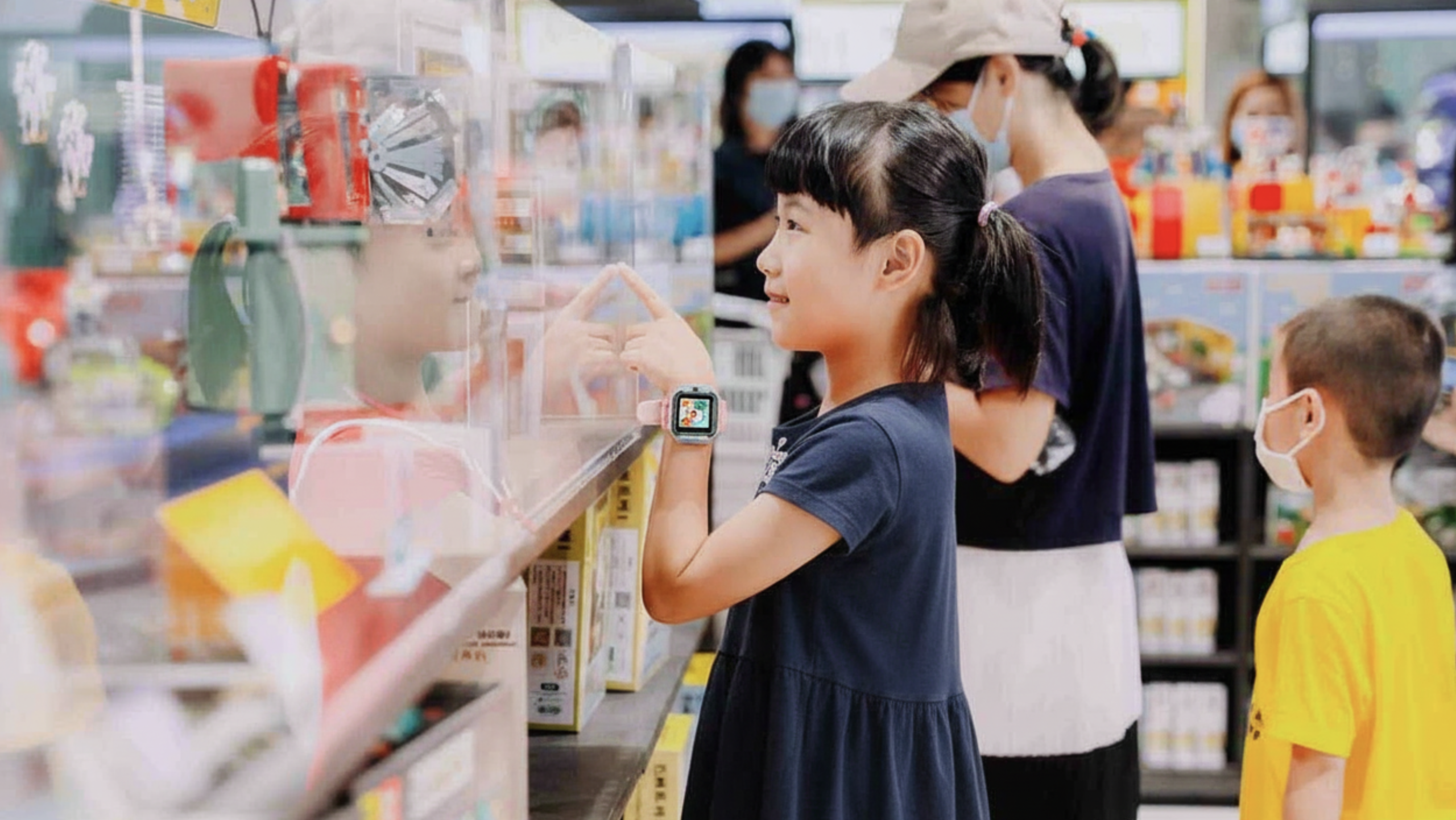

In China, a children’s smartwatch has become one of the most coveted items for kids as young as five. Little Genius, known locally as Xiaotiancai, dominates nearly half of the global children’s smartwatch market, far outpacing competitors like Apple and Samsung in the kids’ segment.
But parents aren’t buying these watches just for location tracking and phone calls. Kids are using them to chase likes, climb social hierarchies, and compete for digital status in an ecosystem that mirrors adult social media.
How the Platform Works
Little Genius watches allow children to add up to 150 friends, share updates, and collect likes on their profile pages. The company gamifies nearly every activity: playing ping pong, posting updates, and even daily step counts earn experience points that unlock the ability to give more likes to friends.
Higher-level users can give 20 likes per day to a single friend. Lower-level users can only give five. This creates a social economy where children actively seek high-level friends to maximize their like count, while lower-status kids compete to avoid being dropped from friend lists.
The Underground Economy
The competition has spawned a shadow market. Some teenagers sell bot services that automatically send likes or keep accounts active during school hours. High-ranking users sell old accounts with impressive like counts. One 17-year-old with over two million likes reportedly earned more than $8,000 in a year selling bots and accounts.
On RedNote, a popular Chinese social platform, users post tutorials on circumventing daily like limits and building status quickly. Getting 800,000 likes earns you the title of “big shot” in the Little Genius community.
Academic Research Confirms the Trend
A 2024 study titled “Wrist-bound Guanxi, Jiazu, and Kuolie” documented how Chinese adolescents use the watches to build social networks and navigate peer hierarchies. Researchers interviewed 18 children aged 11-16 and found that likes serve as social currency both online and offline.
Market research shows that in 2018, children’s smartwatch vendors in China shipped nearly 21.6 million units—one for every 11 kids aged 14 or under. By 2025, Little Genius had grown to capture 48% of the global children’s smartwatch market, up from 27% in 2021.
Growing Concerns
Chinese officials and safety organizations have taken notice. In September 2024, China’s Child Safety Emergency Response warned parents that children with Little Genius watches face risks including dangerous relationships, cyberbullying, and scams.
The Chinese government has begun drafting national safety standards for children’s watches following concerns over internet addiction, inappropriate content, and excessive spending through the watch payment function.
Ivy Yang, a researcher who studied Little Genius, noted that while the watches create a sense of community and belonging, they also commodify friendship. “It’s just very transactional,” she said.
The Price of Popularity
One Beijing mother, Lin Hong, told media that her eight-year-old daughter would reach for her smartwatch first thing every morning to customize her avatar and send likes to friends. “It was like adults, actually, they’re all a bit addicted,” she said.
The pressure affects children differently. An 18-year-old told Chinese media she struggled to make friends until she joined a Little Genius social circle four years ago, eventually accumulating over one million likes. But that status came with costs: she left the platform after fights with other “big shots” and experiencing cyberbullying.
A Global Pattern
While Little Genius is concentrated in China, concerns about children’s digital addiction are global. Research shows digital addiction affects brain function and structure in children and adolescents, with impacts on attention, memory, and social development.
The Little Genius case offers a clear example of how quickly children’s technology can evolve from a parental safety tool into a complex social platform—one that recreates the competitive dynamics of adult social media on a screen the size of a cookie.


 By
By



 By
By