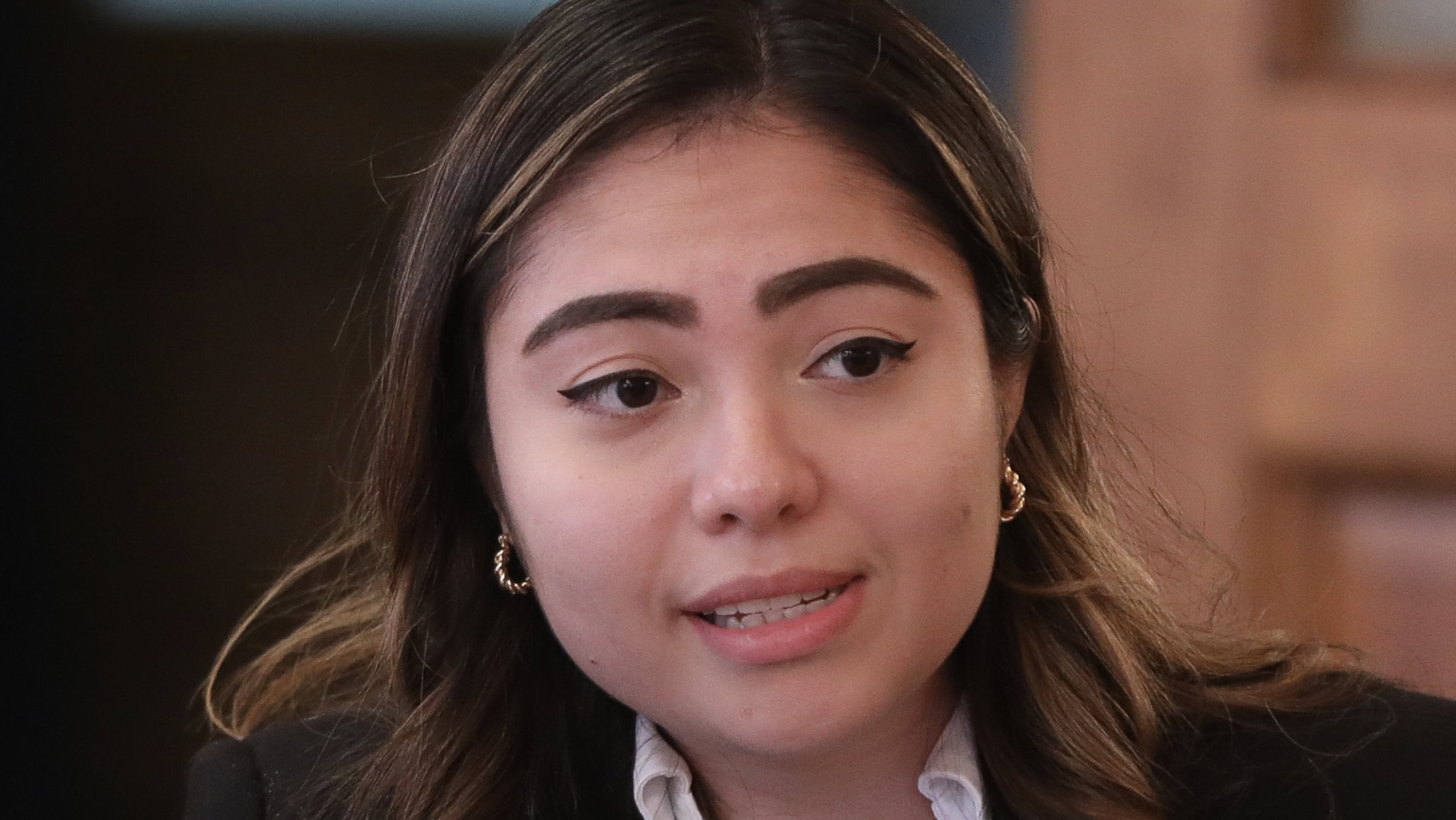

New York State Senator Kristen Gonzalez is pushing legislation aimed at preventing artificial intelligence chatbots from impersonating licensed professionals such as doctors or lawyers. Gonzalez highlighted the proposal in a thread on social media, saying the bill would create legal liability if AI systems falsely present themselves as licensed experts while giving advice.
“Chatbots shouldn’t claim to be a doctor, lawyer or any other licensed professional,” Gonzalez wrote. “My bill, S7263, stops chatbots from impersonating licensed professions while allowing those bots to still give advice.”
Chatbots shouldn’t claim to be a doctor, lawyer or any other licensed professional. My bill, S7263, stops chatbots from impersonating licensed professions while allowing those bots to still give advice. Here’s a thread on what the bill does/doesn’t do & why it’s important:🧵(1/6) https://t.co/5LF46gp70u
— NY State Senator Kristen Gonzalez (@SenGonzalezNY) March 6, 2026
The proposal, New York Senate Bill S7263, would impose liability on chatbot operators if their AI systems impersonate licensed professionals and cause harm. According to the bill text, operators of such systems could face civil lawsuits from individuals who suffer damages after relying on advice provided by a chatbot falsely claiming professional credentials.
In a series of posts explaining the measure, Gonzalez said current laws already make it illegal for humans to practice certain professions or claim professional credentials without a license. She argued that artificial intelligence systems should be held to the same standard.
“It’s illegal to practice high-risk professions without a license, and it’s a crime to pretend to have a license,” Gonzalez wrote. “If someone impersonates a doctor and gives advice that makes you sick, they would be held criminally liable. The same standard should apply to AI chatbots.”
Gonzalez also pointed to what she described as documented cases of chatbots generating fake license numbers or presenting themselves as licensed professionals when responding to users.
“There’s many documented cases of chatbots giving fake license numbers,” she wrote. “You should have the right to seek damages if a chatbot tells you it’s a doctor, a lawyer, a veterinarian, or any other licensed professional and gives you bad advice.”
According to the legislation, companies that deploy chatbots would also be required to provide clear notice informing users they are interacting with an artificial intelligence system. The proposal states that simply notifying users they are speaking with a chatbot would not exempt companies from liability if the system still impersonates licensed professionals.
Gonzalez said the bill is not intended to ban AI tools or prevent people from asking chatbots questions about health, law, or other professional topics.
“This legislation does not prohibit a user asking a chatbot questions or receiving general information or advice, as long as the chatbot is not presenting that information as a licensed professional,” she wrote.
The measure would:
• Create liability when chatbots impersonate licensed professionals
• Hold chatbot operators to legal standards similar to humans who falsely claim professional credentials
• Allow users to seek damages if they are harmed by misleading chatbot advice
Gonzalez also emphasized that the proposal would not outlaw chatbots or prohibit the use of artificial intelligence tools.
“So to summarize,” she wrote, “S7263 creates liability when chatbots impersonate licensed professionals, holds chatbots to the same legal standard as humans, and protects users from misinformation, scams, and fraud.”
So to summarize, S7263: (5/6)
— NY State Senator Kristen Gonzalez (@SenGonzalezNY) March 6, 2026
✅ Creates liability when chatbots impersonate licensed professionals
✅ Holds chatbots to the same legal standard as humans
✅ Protects users from misinformation, scams, & fraud
According to the official New York State Senate page for New York Senate Bill S7263, the bill has advanced to third reading and is currently on the Senate floor calendar during the 2025–2026 legislative session. If approved by the legislature and signed into law, it would take effect 90 days after enactment.

 By
By


 By
By