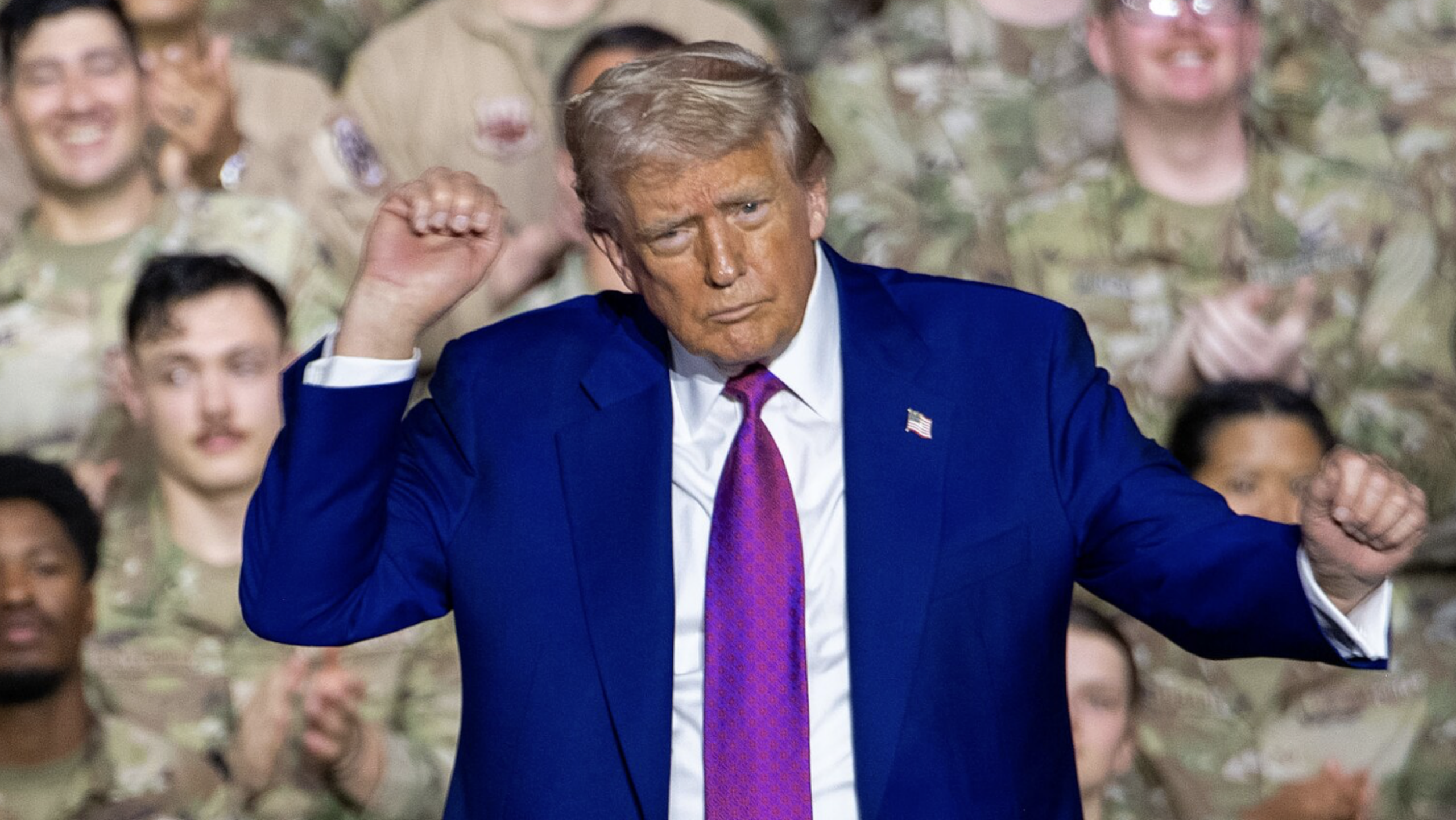

President Donald Trump used a White House healthcare affordability event on May 18 to mount a sweeping defense of the United States military’s campaign against Iran, claiming the country had been so thoroughly devastated by American strikes that it would take decades to recover — and arguing that the very technological superiority that made that possible now puts a nuclear deal within reach.
The Core Claim
Speaking to reporters during a question-and-answer session following the Healthcare Affordability Event, Trump pushed back sharply against a suggestion that the conflict had produced nothing concrete. “A lot has come into fruition,” Trump said. “We were taking a country that was going to have a nuclear weapon and largely destroyed its military. They have no navy or air force. We can leave right now and it would take them 25 years to rebuild. The last thing they are thinking about is nuclear.” He described the elimination of Iranian leadership at multiple levels as a direct product of American military and intelligence capability. “We have totally destroyed their military. Their leadership. The leaders are gone. At the first level, second level, we are dealing with half of the third level,” Trump said. “I think we made a lot of progress.”
The Technology Behind the Strikes
The military campaign Trump was defending — Operation Epic Fury, launched February 28, 2026, jointly with Israel — was notable not only for its scale but for how it was executed. U.S. Cyber Command and Space Command were among the first assets deployed, disrupting Iranian communications and sensor networks before a single conventional strike landed. Gen. Dan Caine, Chairman of the Joint Chiefs of Staff, described the opening phase at a Pentagon press conference: “Across every domain — land, air, sea, cyber — the U.S. Joint Force delivered synchronized and layered effects designed to disrupt, degrade, deny and destroy Iran’s ability to conduct and sustain combat operations.” Israeli intelligence’s pre-existing access to Tehran’s traffic camera networks and mobile phone infrastructure supported the targeting of senior Iranian leaders, including the strike on Khamenei — with mobile towers near his location disrupted to prevent his protection detail from receiving warnings. The result, in Caine’s words, was an adversary left “without the ability to see, coordinate or respond effectively.”
The Economic Framing
Trump also sought to recast the origins of the campaign in economic and technological terms, arguing the decision to confront Iran was made from a position of total American strength. He described calling Treasury Secretary Scott Bessent and Commerce Secretary Howard Lutnick into the Oval Office before the operation began. “I said we are going to take a little excursion down to the Middle East and confront Iran because they are desperate to have a nuclear weapon and the only reason they want it is to use it,” Trump said. “I hate to do this because we are doing so well. But this is the most important thing we can do. We cannot let Iran have a nuclear weapon.” He pointed to pre-war economic conditions — a Dow at 50,000 and the S&P at 7,000 — as the foundation from which the United States chose to act.
The Independent Picture
Independent assessments of the campaign’s results are more measured than Trump’s “total destruction” framing. The New York Times, citing analysis drawn on by the Council on Foreign Relations, estimated that roughly 40 percent of Iran’s pre-war drone arsenal and approximately 60 percent of its missile launcher capabilities remained intact as of late April. Iran has continued to launch sporadic drone and missile attacks and has rejected multiple U.S. peace proposals, most recently a 45-day ceasefire framework, instead issuing a counter-proposal demanding war reparations and international recognition of Iranian sovereignty over the Strait of Hormuz.
Trump acknowledged the prospect of further military action but expressed a clear preference for a diplomatic off-ramp. “I was called by these three countries plus others, and they are dealing directly with our people,” he said, referencing Saudi Arabia, Qatar, and several other nations. “There seems to be a very good chance that they can work something out.” He added: “If we can do that without bombing the hell out of them, I would be really happy.” Trump’s parting summary on May 18 was unambiguous: “Our military is the greatest military anywhere in the world.”

 By
By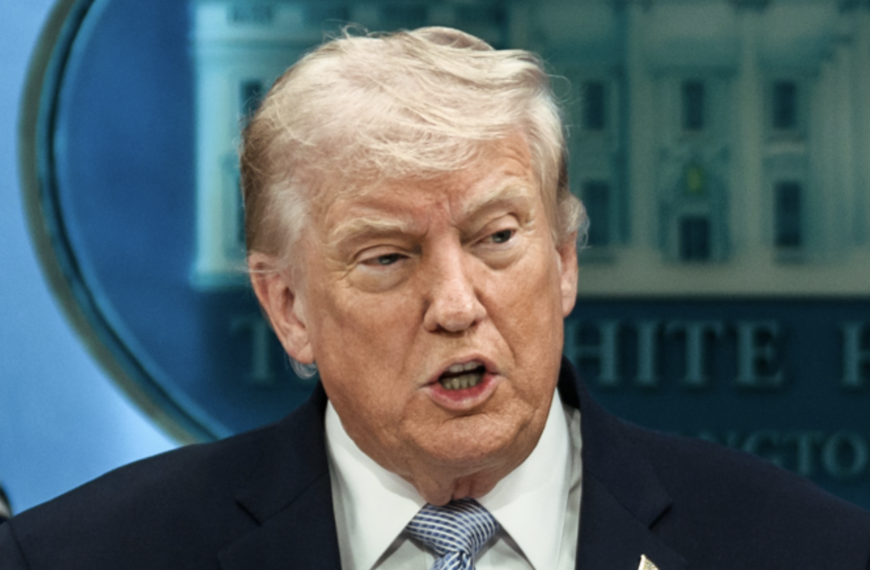

 By
By