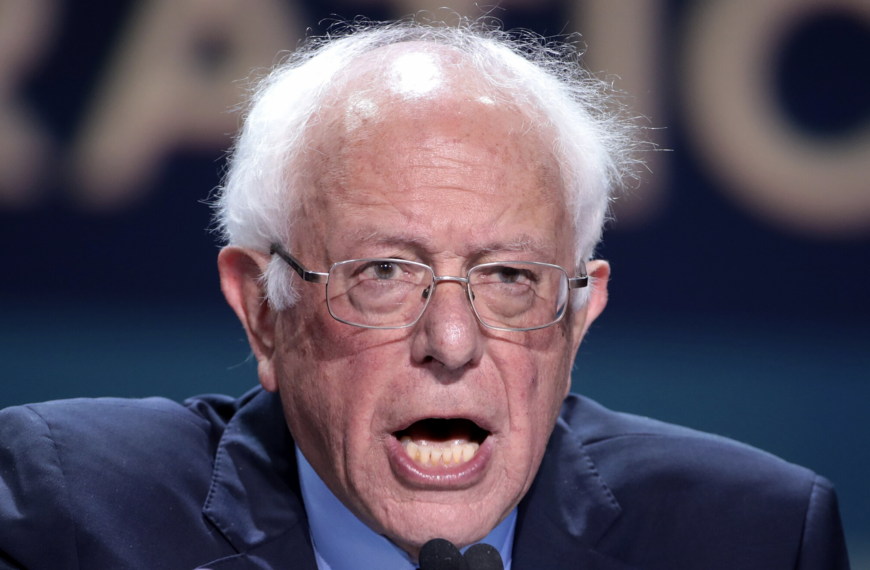
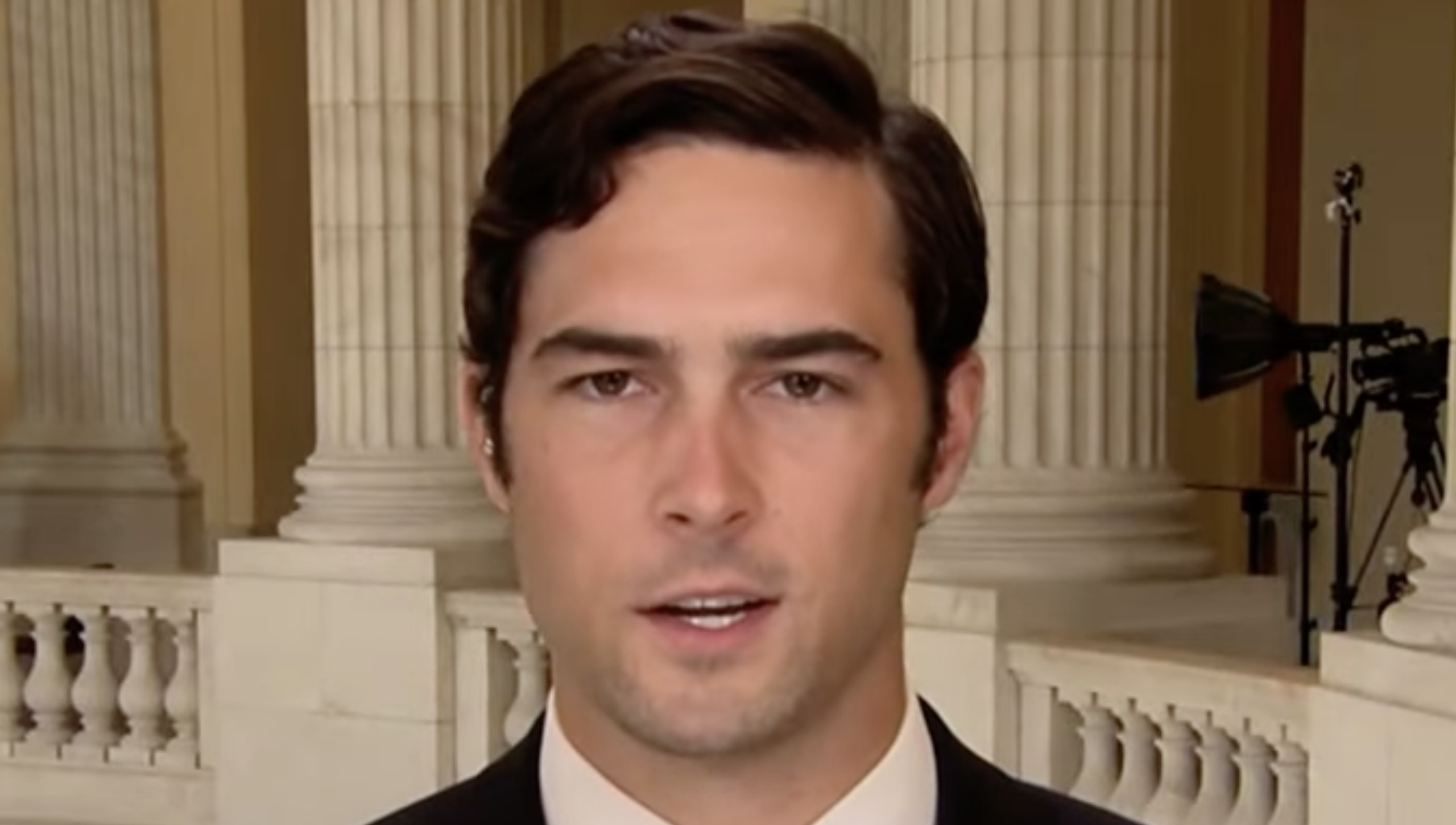

WASHINGTON — Rep. Brandon Gill (R-TX) is pushing back against a federal law requiring impaired driving detection technology in all new passenger vehicles, calling it government surveillance of American drivers.
“The American people didn’t buy a car to get carjacked by their own government,” Gill wrote on X, responding to a post describing the mandate.
What the Law Actually Requires
The mandate stems from Section 24220 of the Infrastructure Investment and Jobs Act, signed by President Biden in November 2021. The provision directed the National Highway Traffic Safety Administration to issue a final rule requiring “advanced drunk and impaired driving prevention technology” in all new passenger motor vehicles carrying 12 or fewer occupants, according to the NHTSA’s March 2026 Report to Congress.
The law defines qualifying technology as systems that either passively monitor driver performance to detect impairment and prevent vehicle operation, or passively detect blood alcohol concentration at or above the legal limit of 0.08 g/dL. The systems are required to be “passive,” meaning they must function without any direct action from the driver.
NHTSA Missed Its Deadline — and Says the Technology Isn’t Ready
Congress gave NHTSA until November 15, 2024 to finalize the rule. That deadline passed without action. As of its March 2026 report to Congress, the agency has still not issued a final rule — and says the technology needed to meet the law’s requirements does not yet exist.
“NHTSA is committed to establishing well-defined requirements that also minimize false positive detections and driving restrictions for sober drivers,” the agency said in its report. “Currently, detection technology around the legal limit continues to have an error rate that would be unacceptably high.”
The agency went further, stating that even a 99.9 percent accuracy rate — which it has not yet determined is sufficient — “could result in millions to tens of millions of instances each year where the technology would incorrectly prevent or limit drivers from operating their vehicles, or fail to prevent or limit impaired drivers from doing so.”
The agency added: “At this time, NHTSA is not aware of any” in-vehicle technology in production that can passively measure blood or breath alcohol concentration at or above the legal limit.
What Technologies Are Under Consideration
NHTSA’s review has examined multiple approaches, including breath-based sensors in the steering column, touch-based infrared sensors in the start button or steering wheel, and camera-based driver monitoring systems that track eye movement, facial features, and vehicle behavior for signs of impairment. None currently meets the legal standard.
Driver-facing camera systems already exist in some vehicles — GM’s Super Cruise and Ford’s BlueCruise both use them to monitor driver attention during assisted driving. The mandate would extend similar monitoring to all new passenger vehicles as standard equipment.
The Safety Case Behind the Law
Congress included the provision in response to persistently high drunk driving fatalities. According to NHTSA’s Fatality Analysis Reporting System, in 2023 there were 12,429 traffic fatalities in which at least one driver had a blood alcohol concentration at or above 0.08 g/dL, representing approximately 30 percent of all U.S. traffic deaths that year.
Where Things Stand
No final rule has been issued, no single technology has been mandated, and no enforcement date has been set. Once NHTSA does finalize a rule, automakers would receive two to three years to comply, putting implementation no earlier than model year 2027 or 2028 at the earliest — and only if a rule is finalized soon.
The statutory requirement remains on the books. NHTSA is legally obligated to act, but has not done so, and has not announced a new target date for issuing a final rule.

 By
By


 By
By