
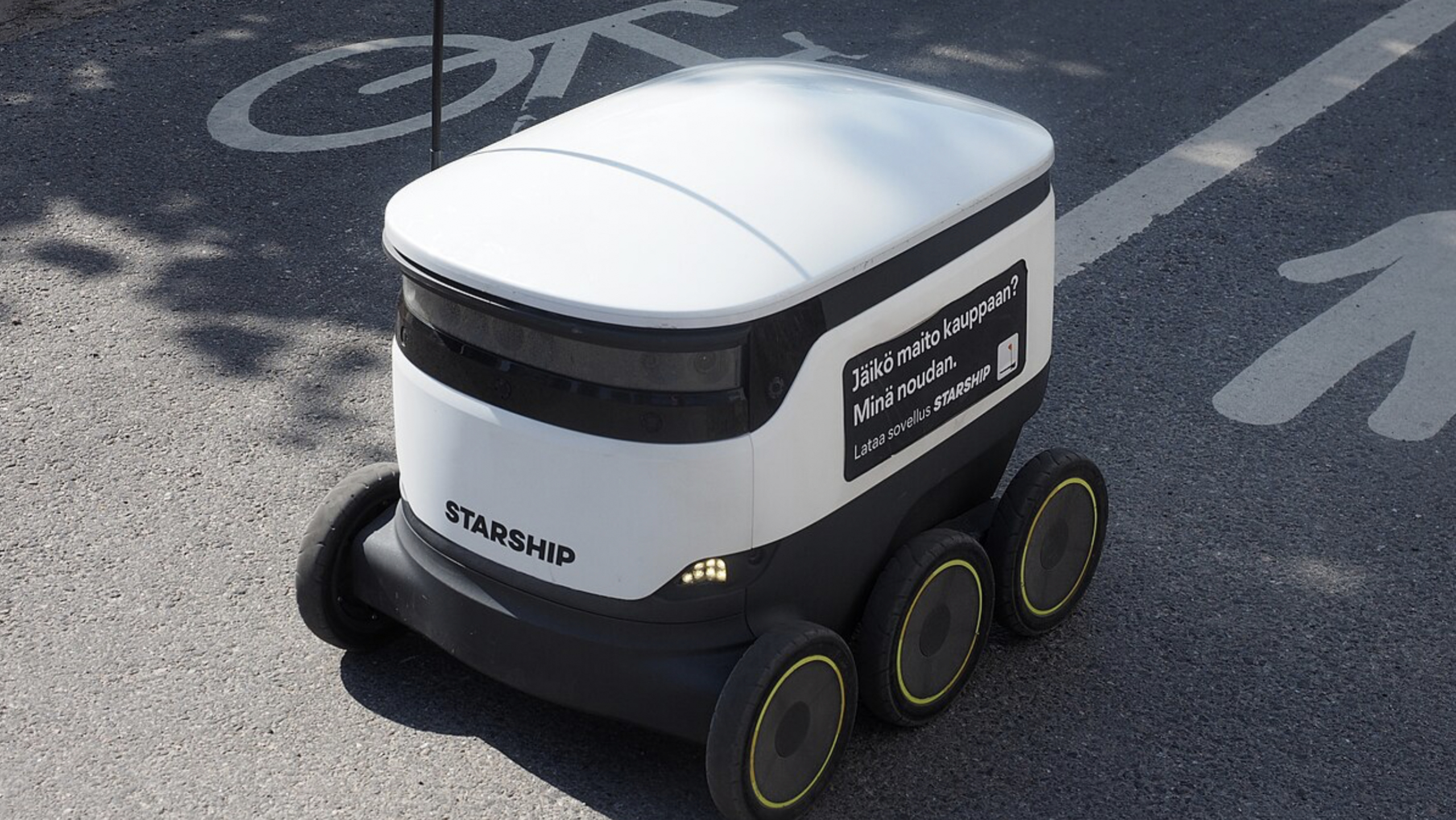

Autonomous delivery services are moving from experimental trials into wider commercial use, as companies deploy self-driving vehicles and drones to handle last-mile logistics. The transition reflects growing confidence in navigation systems and sensor technology.
Retailers and logistics firms are integrating these systems to reduce delivery times and operational costs. Autonomous vehicles are particularly suited for short, repetitive routes, such as neighborhood deliveries and campus environments.
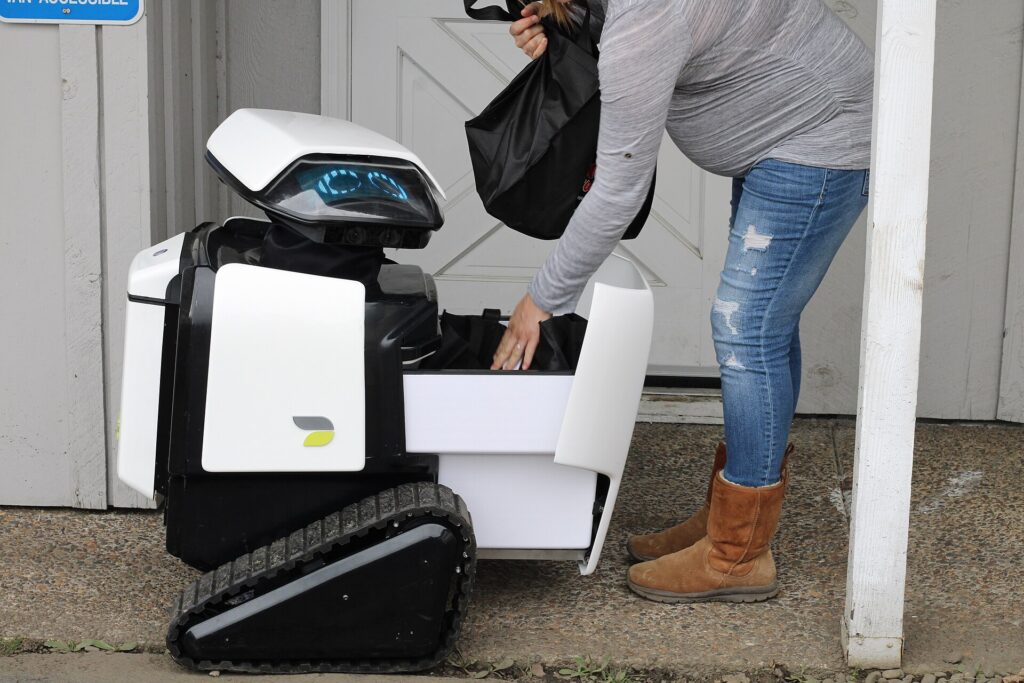
Regulatory frameworks, once a major barrier, are gradually evolving to accommodate the technology. Governments in several regions are introducing guidelines that allow limited deployment while maintaining safety oversight.
However, challenges remain. Weather conditions, urban congestion, and unpredictable human behavior continue to test the reliability of autonomous systems. Companies are investing in redundancy and real-time monitoring to mitigate these risks.
We can expect gradual expansion rather than rapid disruption. While fully autonomous delivery at scale is still developing, incremental improvements are steadily pushing the technology toward mainstream adoption.


 By
By



 By
By