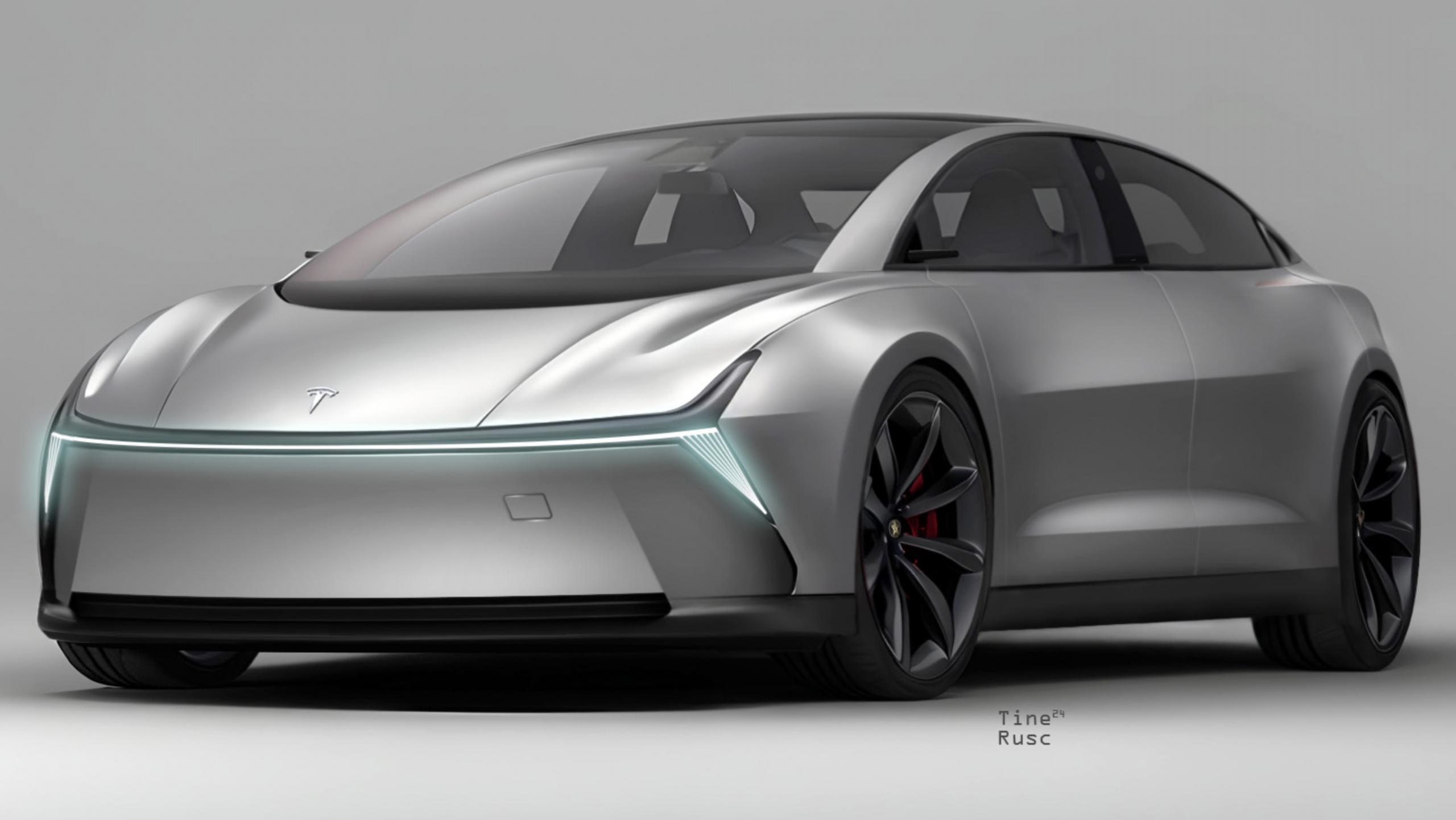

Tesla is reportedly developing a new, smaller electric SUV aimed at a lower price point, according to sources familiar with the matter. The vehicle would be a completely new model rather than a variant of Tesla’s current Model 3 or Model Y, and the company has engaged suppliers recently to discuss component specifications and the manufacturing process.
The compact SUV is expected to be approximately 4.28 meters (about 14 feet) in length, notably shorter than the Model Y, which measures around 15.7 feet. Sources indicated that production is planned primarily at Tesla’s Shanghai factory, with potential expansion to the United States and Europe. Timing for the vehicle’s production has not been finalized, and it is not yet clear if the company has fully approved the project.
🚨 Tesla developing small, affordable SUV, report claims
— XCorpHub (@XCorpHub) April 9, 2026
Tesla is reportedly in the early stages of developing an all-new, smaller and cheaper electric SUV.
The vehicle is expected to be shorter than the Model Y, built on a fresh platform in China, and positioned to broaden… pic.twitter.com/ykdaiUl8sp
This initiative follows Tesla Chief Executive Elon Musk’s decision in 2024 to halt a previously planned low-cost EV project in favor of focusing on robotaxis and humanoid robots. Observers see the new compact SUV as potentially serving both traditional human-driven markets and Tesla’s broader autonomous vehicle ambitions. A Tesla employee said the company is designing vehicles that could support full autonomy while retaining the option for human-driven operation, acknowledging that regulatory and market adoption of fully driverless cars may take years.
Cost reduction measures for the vehicle would include a smaller battery, a single electric motor rather than the dual-motor configuration found on current models, and a lighter overall weight of approximately 1.5 metric tons compared with the Model Y’s roughly two tons. The new SUV is intended to be offered at a substantially lower price than the entry-level Model 3, which currently starts at $34,000 in China and around $37,000 in the United States.
Tesla has a history of developing vehicles that are delayed or canceled. Concept vehicles such as the Roadster supercar and the Semi truck were first revealed in 2017 but have yet to reach mass production. Analysts note that traditional Tesla EV sales, which account for the majority of revenue, may face continued pressure even as the company focuses on autonomous technologies. Currently, Tesla operates a limited number of robotaxis in Austin, Texas, with human safety monitors.
Despite the company’s shift toward robotaxis, sources say the new SUV is part of Tesla’s ongoing efforts to expand affordable vehicle options. Earlier attempts, including the so-called “Model 2,” were discontinued in 2024, with Musk describing the pursuit of a $25,000 human-driven EV as “pointless” given the company’s focus on driverless vehicles. Recent “standard” trims of the Model 3 and Y provided only modest cost reductions, and current U.S. prices of $36,990 for the Model 3 Standard and $39,990 for the Model Y Standard have not significantly altered sales trends.
Tesla’s public emphasis remains on autonomous vehicle technology and humanoid robots, a strategy that has maintained high investor expectations and a market capitalization around $1.3 trillion. The company has indicated plans to begin production of a two-door Cybercab robotaxi this month, a vehicle designed without pedals or a steering wheel, though regulatory approval and commercial deployment remain uncertain.

 By
By


 By
By