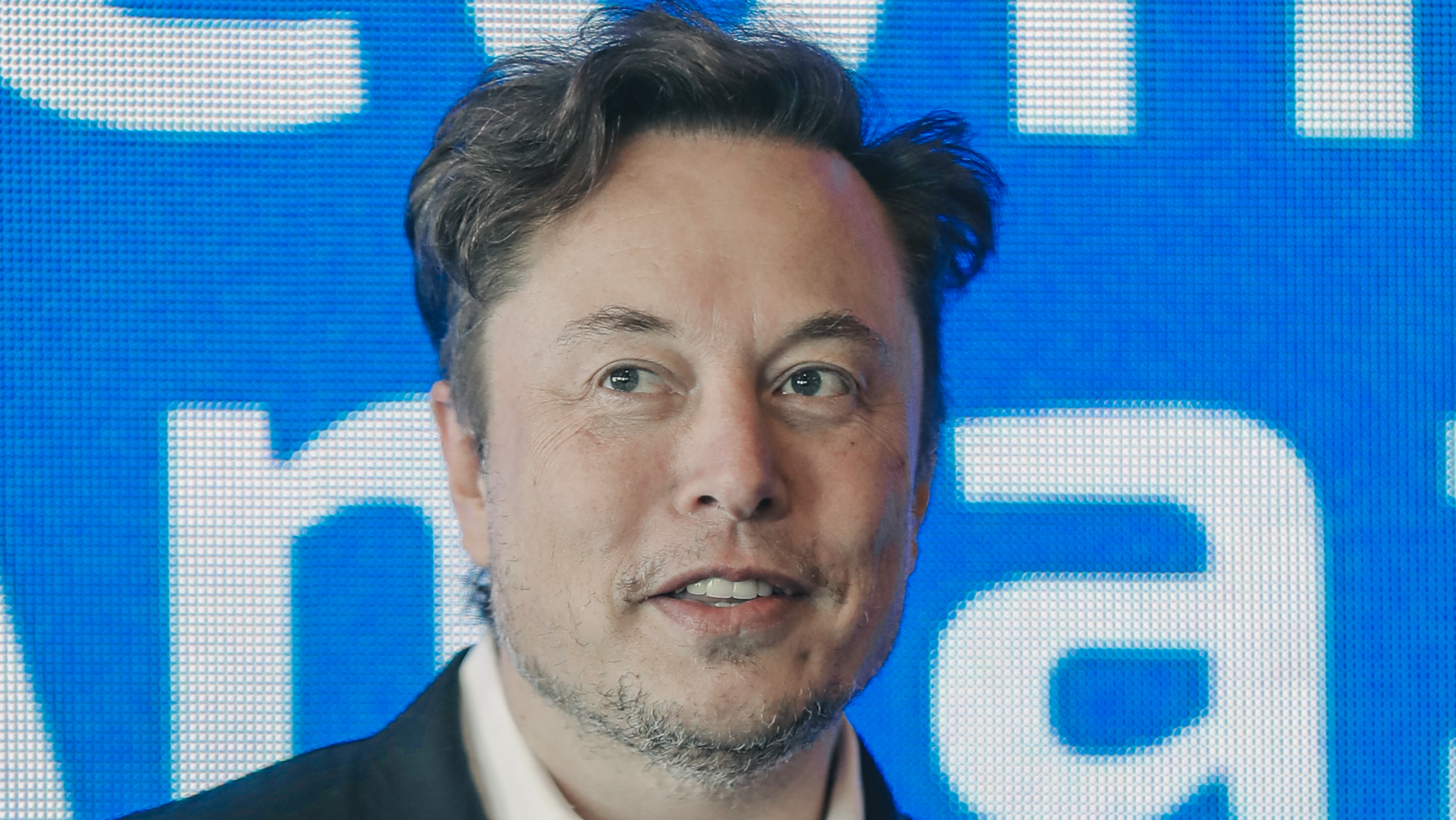

Elon Musk said Neuralink is beginning to restore speech for people who have lost the ability to talk, pointing to early progress from the company’s brain-computer interface trials.
“Neuralink is restoring speech to those who have lost the ability to speak,” Musk wrote in a post on X.
The comment comes as Neuralink highlights new results from its VOICE clinical trial, which is focused on helping patients with severe speech impairment communicate using signals directly from the brain.
In a recent post, Neuralink said a participant named Kenneth, who has ALS, is exploring how the technology can translate his thoughts into speech, allowing him to regain a level of independence in daily life.
Kenneth described himself in simple terms: “I am the man who speaks with his mind,” he wrote in a response on X.
I am The Man Who Speaks With His Mind. pic.twitter.com/b4yjKu4nTX
— Kenneth Shock (@Life_With_ALS) March 24, 2026
The system works by implanting electrodes near neurons in the brain to detect electrical signals associated with thoughts. Those signals can then be decoded and translated into digital outputs, including text or synthesized speech, according to Neuralink’s technology overview.
The company’s broader goal is to create brain-computer interfaces that restore autonomy to people with neurological conditions. Its first product, known as Telepathy, allows users to control computers and devices using only their thoughts, bypassing damaged neural pathways.
In updates shared by the company, participants have already demonstrated the ability to move cursors, control robotic limbs, and interact with digital environments without physical movement, with some reporting that the system can respond as fast—or faster—than conscious intention.
For patients with ALS and other conditions that impair speech, the next step is translating neural activity into real-time communication. Neuralink said its VOICE trial aims to reach conversational speeds of up to 140 words per minute by interpreting signals from brain regions associated with speech production.
The effort has drawn attention from regulators as well. In May 2025, the company received Breakthrough Device designation from the FDA for technology designed to restore communication for individuals affected by ALS, stroke, spinal cord injuries, and other neurological disorders.
While the technology is still in early stages, Neuralink says its clinical trials are expanding, with more than 20 participants enrolled globally as it continues refining both the hardware and the surgical process required to implant the device.
The progress reflects a broader push to use brain-computer interfaces to restore functions that were once considered permanently lost. For some participants, that includes returning to school, creating art, or interacting more freely with the world around them.
For Kenneth, the impact is more direct. As his condition has taken away his ability to speak, the technology offers a potential path to communicate again—this time, using nothing but thought.

 By
By



 By
By