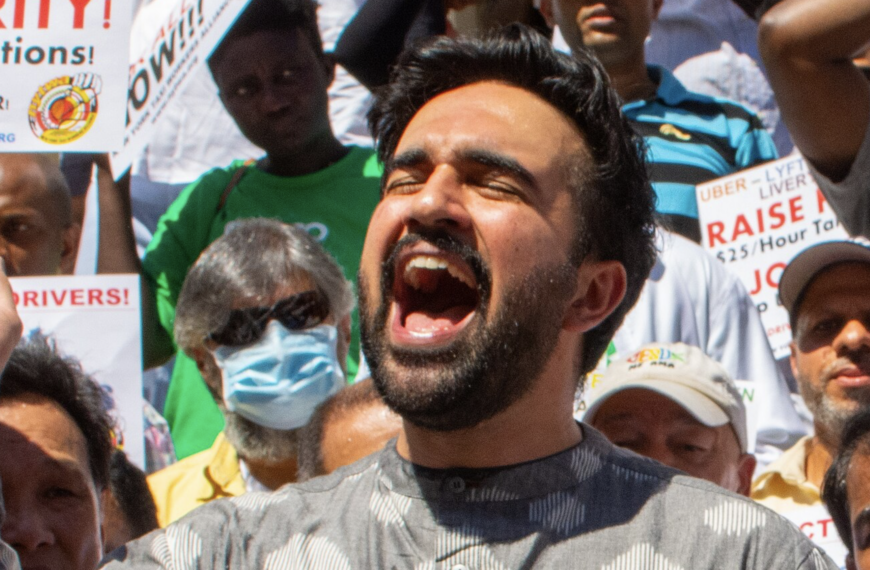
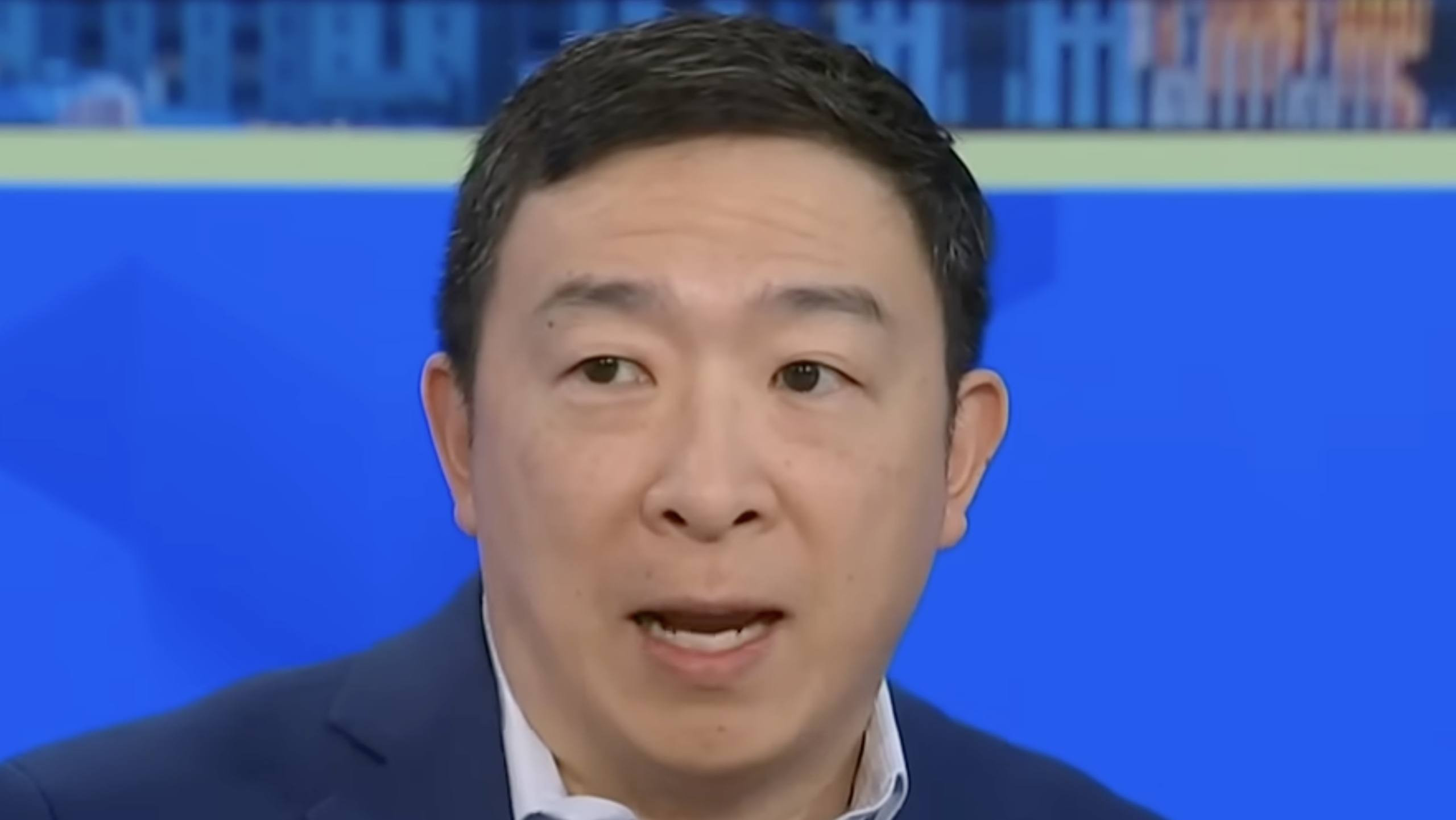

Andrew Yang, the founder and CEO of Noble Mobile and a former Democratic candidate for president and New York City mayor, called for taxing AI agents rather than human workers as artificial intelligence accelerates its takeover of jobs. Speaking on CNBC, Yang pointed to the breakneck pace of AI development and warned that the shift would upend the labor market in ways unlike past technological changes. “There is zero chance that this transition is not going to be rough for millions of people,” he said, stressing the need to protect workers by rethinking tax policy at a time when companies are already replacing entry-level roles with autonomous systems.
BREAKING: 🤖 Andrew Yang says we should stop taxing workers, and tax AI instead. pic.twitter.com/ifUtE7qlih
— Radar 𝘸 Archie🚨 (@RadarHits) March 12, 2026
Yang cited Dario Amodei, CEO of Anthropic, who has repeatedly stated that up to 50 percent of entry-level white-collar jobs could be automated in the next several years. “The easiest people to fire are the people you haven’t hired yet,” Yang noted, explaining why hiring for new graduates has slowed and why the underemployment rate for college graduates now matches or exceeds that of non-graduates for the first time. He argued that the solution lies in shifting the tax burden. “You tend to tax things that you want to discourage that you want less of,” he said. “We should actually try to stop taxing labor” and tax the AI agents instead. Amodei himself, Yang added, has publicly supported the idea, telling policymakers to “tax us” because he anticipates a major backlash as jobs disappear.
AI could wipe out half of all entry-level white-collar jobs and spike unemployment to 10% to 20% in the next one to five years, predicts Anthropic CEO Dario Amodei. https://t.co/K53oCApIeF pic.twitter.com/6BgAlQ30pM
— 60 Minutes (@60Minutes) November 17, 2025
The proposal comes amid growing signs that the transformation will not follow the pattern of earlier innovations, where new jobs eventually replaced those lost. Yang rejected the notion that AI would create enough positions to offset the losses. “We’re going to automate away the white collar jobs and you should tax us,” he quoted Amodei as saying, while noting that other tech leaders would resist any new levies in the name of competing with China. Yang countered that the models have already reached a point of self-improvement and that the real risk is a fractured social contract, with millions of workers displaced and young adults returning home after college.
He pointed to specific sectors already in the crosshairs. More than two million Americans still work in call centers, roles he said AI would soon eliminate. Truck driving, the top job in 28 states and one held largely by middle-aged men including many military veterans, stands as an even larger flashpoint. “If you get to that occupation, then you’re going to see, in my opinion, riots in the streets,” Yang warned. Ride-share drivers, many of whom rely on the work for supplemental income, face similar pressure. He placed the most immediate impacts within the next 12 months, a timeline he revised after the conference as the industry braces for widespread disruption.
The push to adopt AI tools has become so strong that firms failing to integrate them risk being viewed as outdated almost overnight. At the same time, he expressed confidence that related legal disputes, such as the ongoing matter involving Anthropic and the Pentagon, would likely be resolved through settlement rather than prolonged court battles, given the inconsistencies in the government’s position.
As AI agents move from experimental to operational across industries, Yang’s remarks underscore the urgency of updating tax and labor policies before the displacement reaches critical mass. The former presidential candidate, whose new book addresses economic support measures, presented the shift as inevitable yet manageable only if lawmakers act to shield workers from the brunt of the transition already underway.

 By
By


 By
By