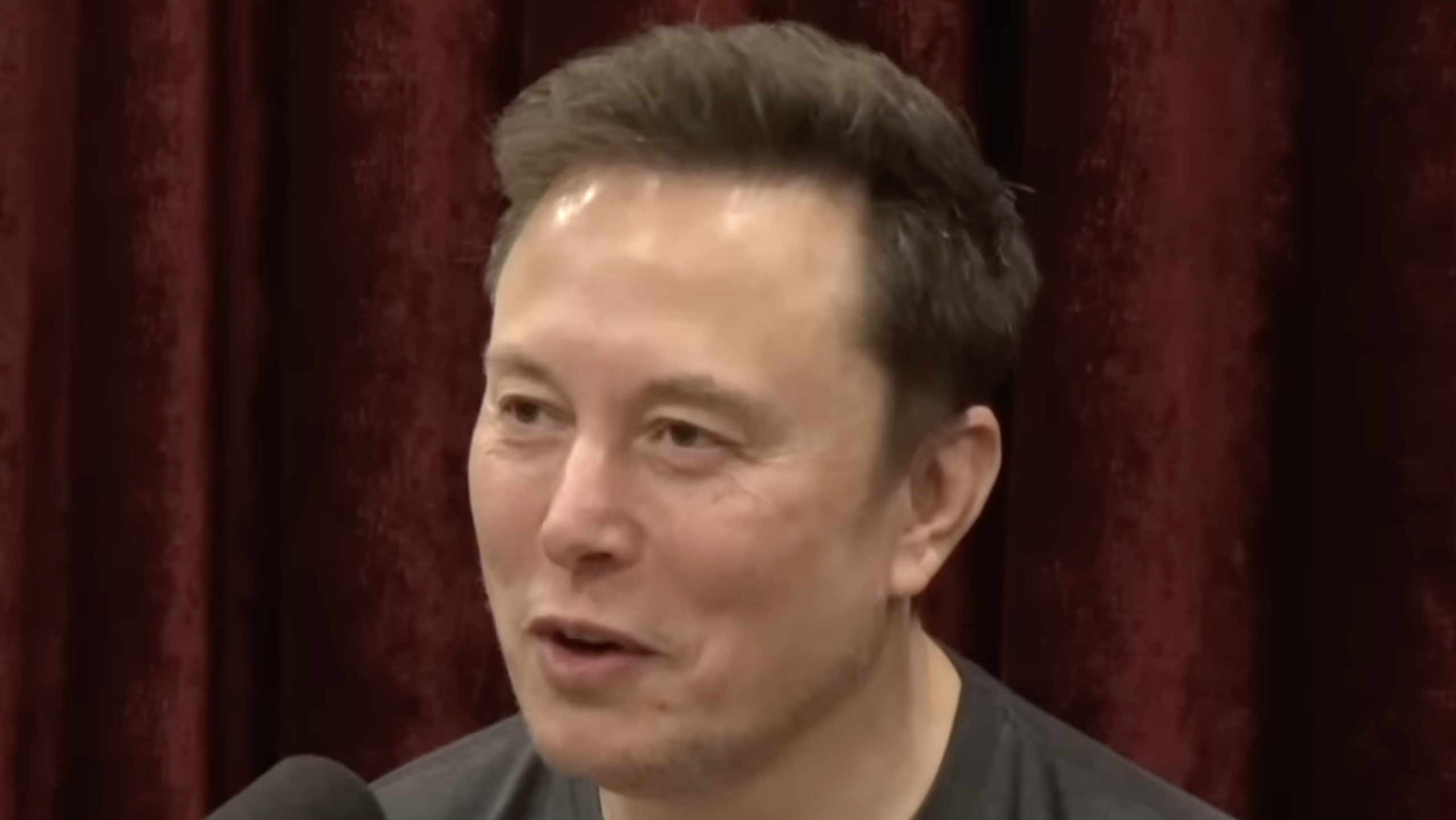

During a Neuralink update presentation in the summer of 2025, Elon Musk outlined a vision for the future where humans could mentally interface with humanoid robots to achieve full-body control and sensory feedback. Musk, the richest man in the world with a net worth of $833.7 billion according to Forbes, described how advancing Neuralink technology could allow people to inhabit Tesla’s Optimus robots, extending far beyond current capabilities like operating a single robotic hand.
Neuralink is the company Musk founded to develop implantable brain-computer interfaces that connect directly with neural signals, enabling users to control external devices through thought alone. Optimus robots, produced by Tesla, are designed as versatile humanoid machines capable of performing everyday tasks and adapting to various environments.
Elon Musk: In the future, you'll be able to inhabit an Optimus robot.
— ELON CLIPS (@ElonClipsX) October 4, 2025
“As we advance the Neuralink devices, you should be able to actually have full body control and sensors from an Optimus robot. So, you could basically inhabit an Optimus robot. Not just the hand, the whole… pic.twitter.com/eZu7fovchc
Musk elaborated on these possibilities as the discussion progressed, stating: “As we advance the Neuralink devices, you should be able to actually have full body control and sensors from an Optimus robot. So you could basically inhabit an Optimus robot. It’s not just the hand. The whole thing. So you could basically mentally remote into an Optimus robot. It’d be kind of cool. The future’s going to be weird. But pretty cool. And then, another thing that could be done also is, for people that have say, lost a limb, lost an arm or leg, or something like that. Then, we think in the future we’ll be able to attach an Optimus arm or legs. It’d be kind of like, I don’t know if you remember that scene from Star Wars where Luke Skywalker gets his hand chopped off with a lightsaber, and he gets a robot hand. And, I think that’s the kind of thing that we’ll be able to do in the future, working with Neuralink and Tesla. So it goes far beyond just operating a robot hand, but replacing limbs and having kind of a whole body robot experience. And then I think another thing that will be possible, I think is very likely in the future, is to be able to bridge where the damaged neurons are. So you can take the signal from the brain and transmit that signal past where the neurons are damaged or strained, to the rest of the body. So you could reanimate the body. So that if you have a Neuralink implant in the brain and then one in the spinal cord, then you can actually bridge the signals and you could walk again and have full body functionality. Obviously, that’s what people would prefer. To be clear, we realize that would be the preferred outcome. So that even if you have a broken neck, I’m actually at this point I’d say fairly confident, that at some point in the future, we’ll be able to restore full body functionality.”
The remarks underscored a dual approach: using Optimus robots for complete remote embodiment while also pursuing direct neural bridging to restore natural movement for those with spinal injuries or severed limbs. Musk noted that full restoration of bodily function would remain the primary goal for patients, with robotic attachments serving as an advanced alternative in the interim.
These developments arrive as Neuralink continues refining its implants for broader clinical use and Tesla advances Optimus prototypes toward practical deployment. The integration Musk described reflects ongoing efforts to expand human capabilities through technology, particularly in assisting individuals with disabilities and exploring new frontiers in human-robot interaction at a moment when both fields are accelerating rapidly.

 By
By

 By
By