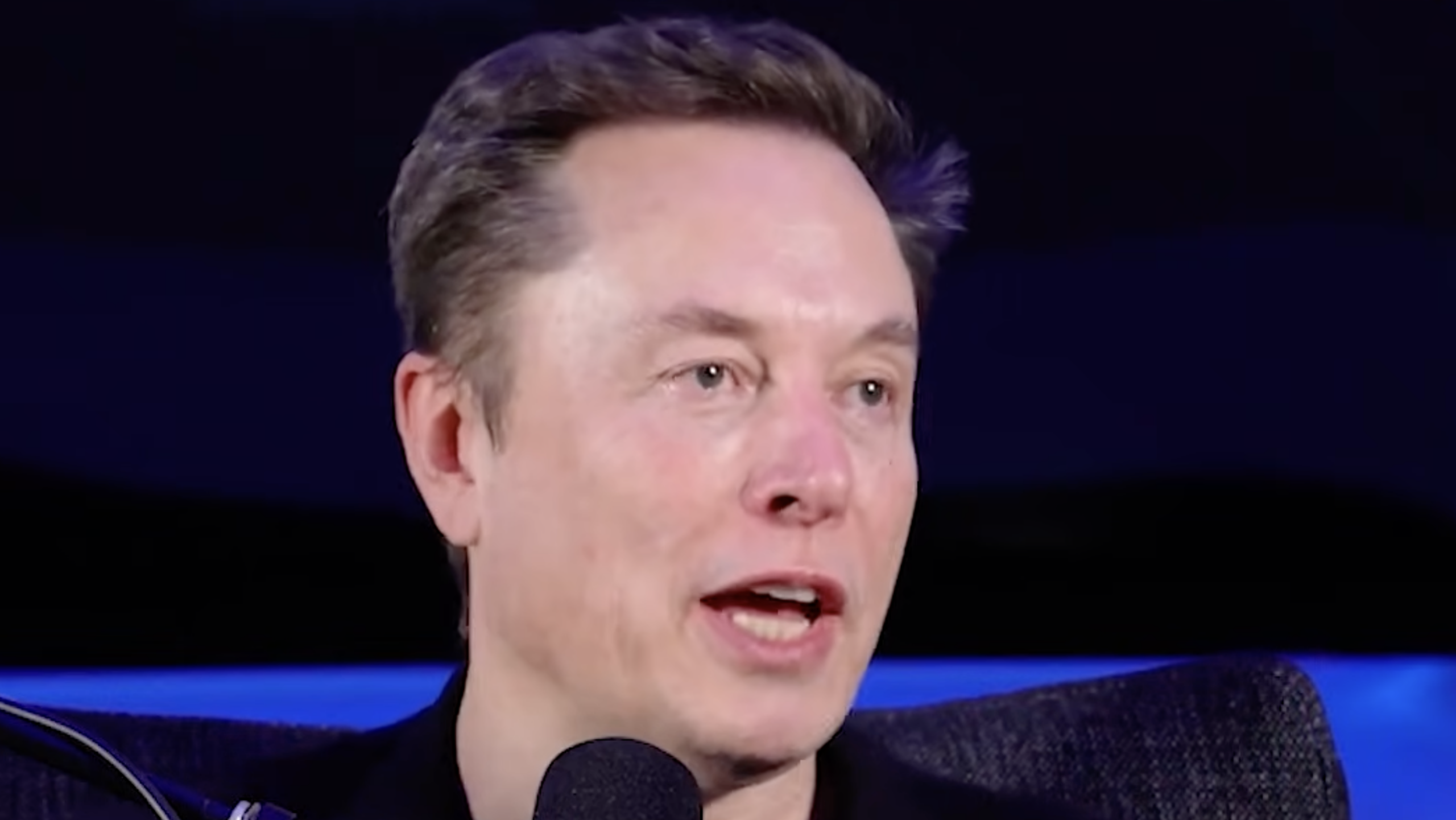

Elon Musk warned that political leaders who advocate for military conflict often do so without personally bearing the risks faced by soldiers on the battlefield, arguing that the human cost of war is frequently disconnected from the decisions made in political centers of power. The comments came during a November 2024 appearance on “The Joe Rogan Experience,” where Musk discussed the dynamics of modern warfare, media narratives, and the role of emerging technology in future conflicts.
Elon Musk: It's easy to be a warmonger if you don't risk d*ing at the front lines. It's f*cked up that people are having fancy dinners in Washington, D.C. while people are being slaughtered.”pic.twitter.com/0J49N43ec8
— Thomas Sowell Quotes (@ThomasSowell) March 11, 2026
Musk argued that many policymakers are insulated from the consequences of the wars they support. “It’s easy to be a warmonger if you don’t have to risk dying at the front lines,” Musk said. He went on to describe what he sees as a moral disconnect between political decision-makers and the soldiers carrying out those decisions.
“If people are having fancy dinners in Washington, D.C., while people are being slaughtered in trenches, you’re not feeling the pain, you’re not taking the risk,” Musk said. “It’s someone else dying. That’s cruel and lacking in empathy.”
Musk’s comments reflected his long-standing interest in how technological change is transforming warfare. As the chief executive of companies such as Tesla, SpaceX, and artificial intelligence firm xAI, Musk has frequently spoken about the role of autonomous systems, robotics, and artificial intelligence in shaping the future of both civilian and military technology. According to Forbes, Musk’s estimated net worth stands at approximately $842.8 billion, making him the wealthiest individual in the world and one of the most influential figures in the development of advanced technologies, including AI.
Musk expanded on those themes several months later during a March 2025 discussion with cadets at the United States Military Academy at West Point, where he addressed the rapid pace of change in military technology and the growing role of artificial intelligence on the battlefield. Speaking about the future of warfare, Musk argued that the combination of autonomous drones and advanced AI systems is likely to transform how conflicts are fought.
Elon Musk: The age of human-piloted fighter aircraft is coming to an end.
— ELON CLIPS (@ElonClipsX) April 11, 2025
“I'm not sure if there's a lot of [future] opportunity for fighter pilots, because if you've got a drone swarm coming at you, the pilot is a liability in the fighter plane, to be honest.
If you compare a… pic.twitter.com/VEg8YJRxBP
He pointed to the ongoing conflict in Ukraine as an early example of this shift, describing the fighting as increasingly dominated by unmanned systems. According to Musk, the war has effectively become a “drone war,” with both sides relying heavily on unmanned aircraft for reconnaissance, targeting, and direct attacks.
The widespread use of drones, Musk said, offers a preview of how future wars between technologically advanced nations may unfold. Instead of relying primarily on expensive, human-operated platforms, militaries could deploy large numbers of autonomous systems capable of operating at scale and coordinating through artificial intelligence.
Musk suggested that the key factor in such conflicts may ultimately be production capacity rather than individual platform sophistication. In a large-scale drone confrontation, he argued, the side capable of manufacturing and deploying the greatest number of systems while maintaining an effective kill ratio could gain a decisive advantage.
“My guess is that the age of human-piloted fighter aircraft is coming to an end,” Musk told the cadets. “If you’ve got a drone swarm coming at you, the pilot is a liability.”
Drones, he added, are significantly easier and less expensive to produce than advanced fighter jets and can be deployed in large numbers without risking human life.
Taken together, Musk’s comments illustrate a broader shift in how military strategists and technologists are thinking about future conflict. While debates about war often focus on political decisions and geopolitical tensions, Musk has increasingly emphasized the role that artificial intelligence, autonomous drones, and scalable manufacturing could play in determining the outcome of wars in the decades ahead.

 By
By


 By
By