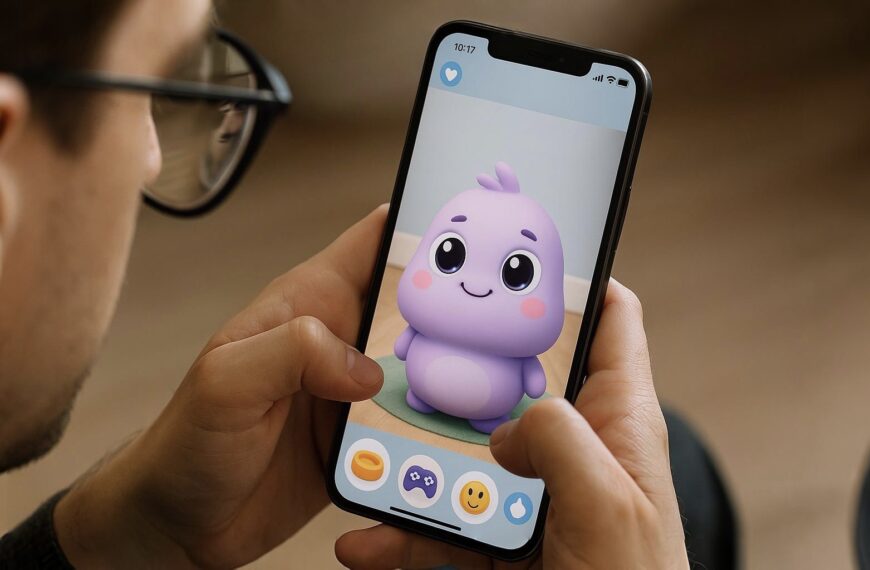

Americans are keeping their smartphones longer than ever before, and some economists are warning that this frugal behavior could hurt economic growth—a concern that highlights the tension between consumer savings and an economy built on constant consumption.
The Numbers
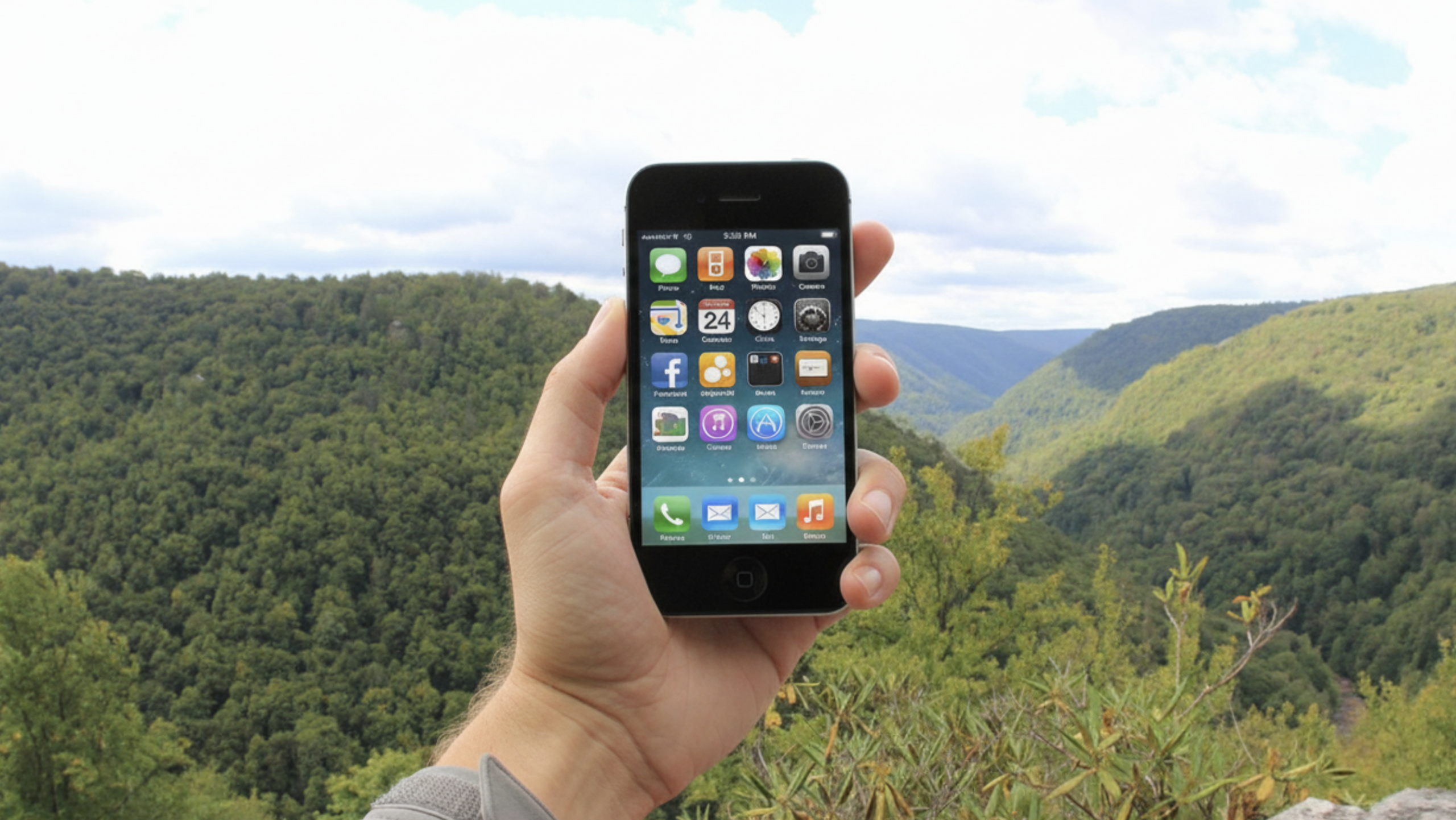
The average American now keeps their smartphone for 29 months, according to a September 2025 survey byReviews.org. That’s nearly two and a half years, and seven months longer than the average lifespan in 2016.
The trend reflects a simple reality: modern smartphones work extremely well and don’t need frequent replacement. Today’s phones feature cameras that rival professional equipment, displays with smooth framerates, and processors powerful enough to handle video editing, gaming, and work tasks with ease.
CNBC raised concerns about what this means for the broader economy: “While squeezing as much life out of your device as possible may save money in the short run, especially amid widespread fears about the strength of the consumer and job market, it might cost the economy in the long run, especially when device hoarding occurs at the level of corporations.”
Why People Finally Upgrade
When Americans do replace their phones, it’s usually not because they want the latest features. The Reviews.org survey found the top reasons for upgrading are:
- Faster performance (22%)
- Battery issues (18%)
- New features (13%)
- Broken or lost phone (13%)
Only 8% upgrade because they want to own the newest phone model, and just 6% are motivated by trade-in deals or better contract options—despite carriers aggressively marketing these offers.
Battery degradation is often unavoidable. Smartphone batteries typically last two to three years before their capacity to hold a charge diminishes significantly due to physical and chemical changes.
The Cost Factor
The average American pays $634.35 for their phone, according to the survey—far less than the cost of premium flagship models like the iPhone 17 Pro ($1,099), Samsung Galaxy S25 Ultra ($1,420), or Google Pixel 10 Pro ($999).
Despite the high average cost, 47% of respondents paid for their phones in full upfront, while 36% financed through their carrier.
One iPhone user, Ryan Parker, told Reviews.org that trade-in deals influenced his decision to upgrade annually: “Every year a new iPhone comes out, the value of my current phone goes down, whether I keep it in good condition or not. It’s like I’m ‘cashing in’ on my current phone now while it’s still functional and worth something.”
But Andreas Rivera, a Google Pixel owner, represents the opposite view. He kept his Pixel 3 for five years and only upgraded when it stopped working. “I’ve never really been swayed by the incremental hardware releases or upgrades, which usually seem prosaic and non-essential,” he said.
The Instant Pot Problem
The challenge facing tech companies isn’t new. Instant Pot, which made wildly popular slow cookers, filed for bankruptcy in 2023 after sales collapsed. The reason was simple: the Instant Pots worked too well and lasted too long. Once customers bought one, they never needed to buy another.
The company was later acquired by a private equity firm, which attempted to boost sales by planning to release a “MAGA” themed Instant Pot to appeal to the Trump administration during an anti-trust suit.
The Repair Obstacle
Aging devices need repairs, creating demand for repair services. However, many tech companies actively make repairs difficult.
Apple is one of the most notorious examples, using software that refuses to recognize aftermarket replacement parts—effectively forcing customers to use Apple’s own repair services or buy new devices.
Steven Athwal, CEO of The Big Phone Store, which specializes in refurbished phones, told CNBC that corporate and government policies could change this dynamic: “If governments and big tech supported refurbishment properly, aging devices could become part of a sustainable circular economy. That’s how you disable constant replacement. No need to constantly push upgrades, which financially strains both small and large businesses alike.”
The Underlying Tension
The debate over smartphone replacement cycles reveals a fundamental conflict in modern capitalism: companies need constant consumption to grow and satisfy shareholders, but consumers are increasingly recognizing that frequent upgrades are unnecessary and expensive.
Tech companies release new phone models annually to generate hype and drive sales, but most people can function perfectly well with older devices. The question isn’t whether your two-year-old phone can handle your daily tasks—it almost certainly can. The question is whether you’re willing to keep using it when companies want you to believe you shouldn’t.


 By
By

 By
By