
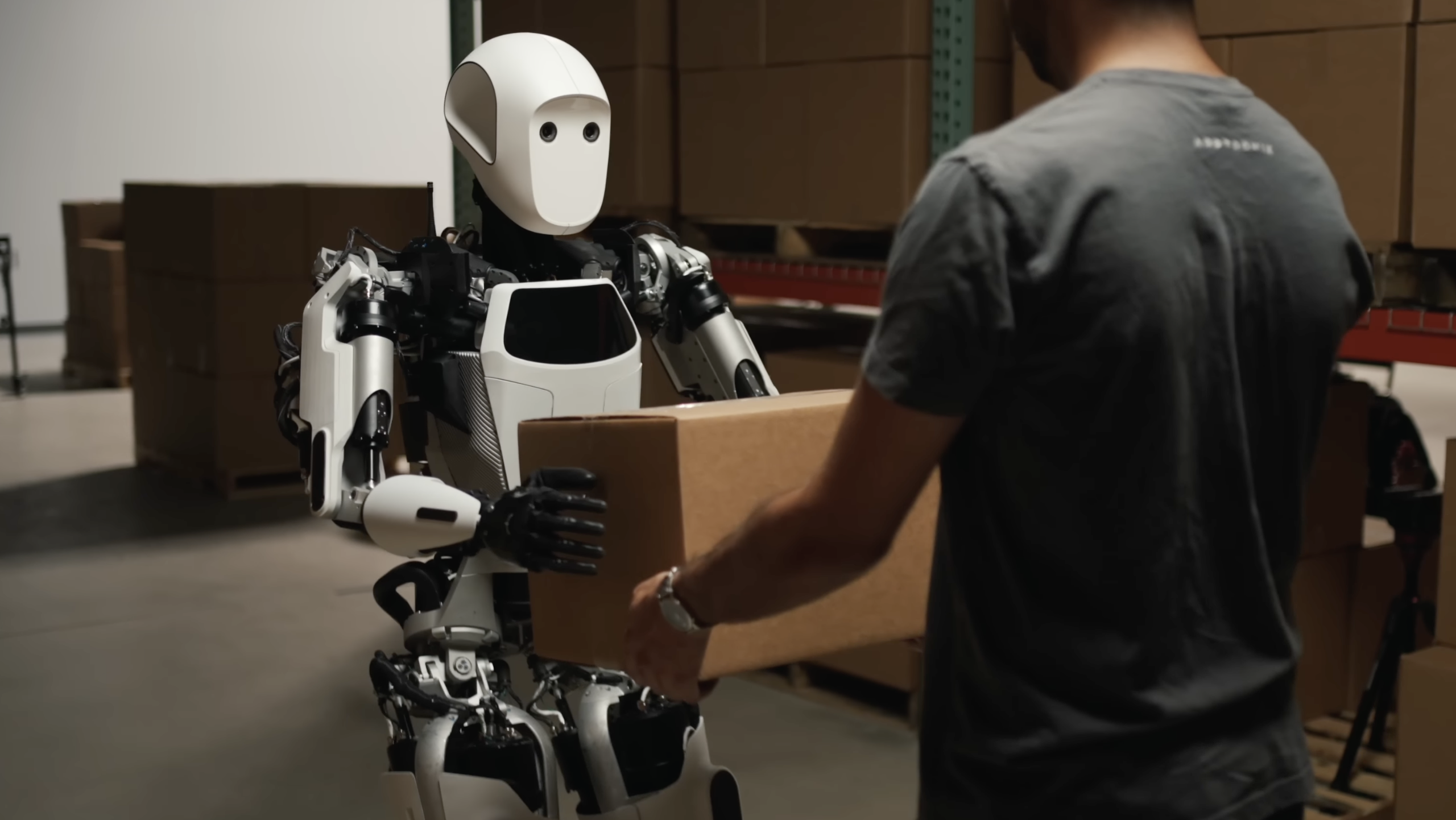

Nearly half of business leaders are planning to replace junior roles with artificial intelligence, signaling a major shift in how companies approach entry-level hiring.
A report from the British Standards Institution (BSI) surveyed more than 850 business leaders across eight countries and found that 43% expect to replace junior roles or entry-level jobs with AI, either by cutting positions or reducing recruitment for new starters. The survey revealed that 39% of business leaders say one in four junior roles in their organizations have already been reduced or cut due to AI’s ability to perform administrative tasks, conduct research, and handle briefing work.
The impact is already measurable. A Stanford University study analyzing ADP payroll data found that employment for workers ages 22 to 25 has declined by 13% over the past three years since ChatGPT was released in November 2022. Meanwhile, employment for older, more experienced workers in the same fields has remained steady or even improved.
Entry-Level Jobs Most at Risk
According to the Stanford research, the professions most exposed to AI automation include:
- Operations managers
- Accountants and auditors
- Software developers
- Customer service representatives
- Receptionists and information clerks
- General managers
Built In reports that AI adoption is particularly impacting roles where tasks are more routine and automatable rather than those requiring complex human interaction. Data entry clerks, for instance, face significant risk as AI systems can process massive amounts of structured and unstructured data faster and more accurately than humans. McKinsey estimates that AI could affect 38% of business process and data entry jobs.
Research analyst positions are also vulnerable, as machine learning can quickly process large volumes of data, detect patterns, and organize findings into visual reports without human intervention.
The Broader Picture
The trend extends beyond individual companies. Postings for entry-level jobs in the U.S. overall have declined about 35%since January 2023, according to labor research firm Revelio Labs, with AI playing a significant role.
Meanwhile, 43% of business leaders acknowledge they would not have developed the skills they have today if AI tools had been around when they started their careers. One in four don’t expect their current job to exist by 2030.
The shift raises questions about the traditional career ladder that allowed workers to start at the bottom and rise through the ranks. As Anthropic CEO Dario Amodei has warned, 50% of entry-level jobs may be wiped out by AI as the technology continues to improve.
For recent graduates and early-career workers, the message is clear: the entry-level landscape is changing rapidly, and adapting to work alongside AI tools may become as essential as any technical skill.


 By
By



 By
By