

The indie game landscape is both a hotbed of innovation and a minefield of challenges. While some titles achieve remarkable success, the majority struggle to make a mark. Understanding the common pitfalls can shed light on why many indie games don’t reach their full potential.
1. Lack of Visibility in a Saturated Market
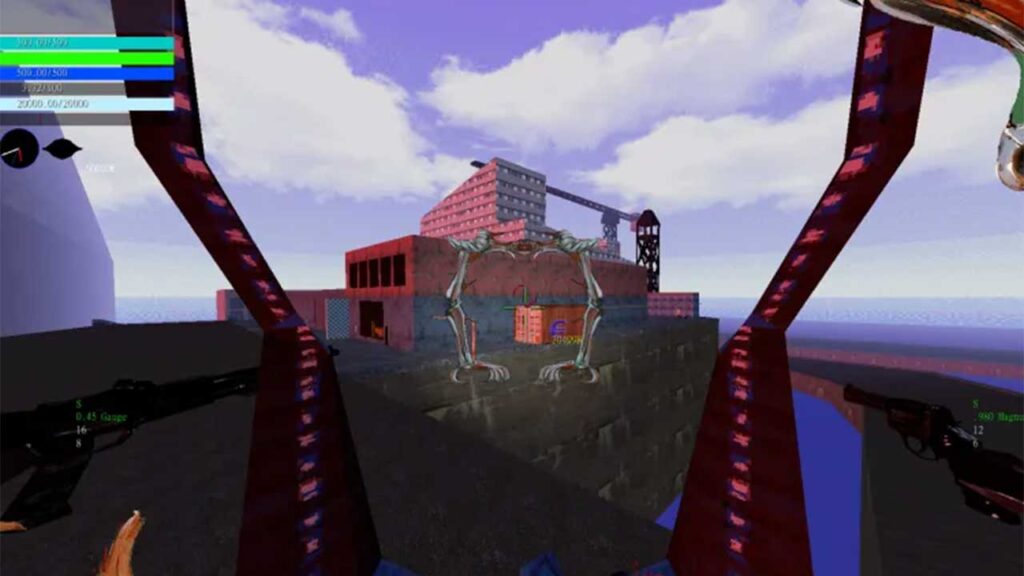
With nearly 19,000 games released on Steam in 2024, standing out is a significant hurdle. Without effective marketing strategies, even well-crafted games can go unnoticed. Developers often underestimate the importance of early and consistent promotion, leading to limited reach and engagement.
2. Insufficient Quality and Polish
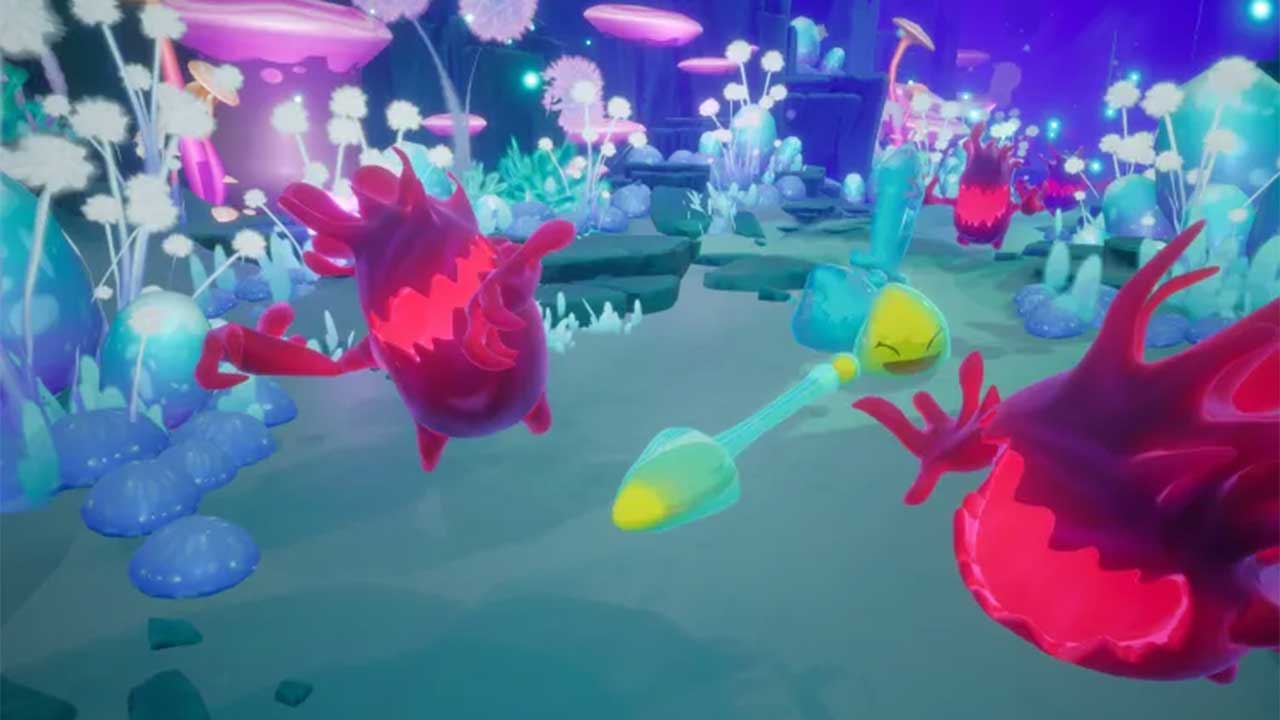
Players have high expectations, and games that lack polish or have technical issues can quickly lose their audience. Ensuring a game is well-tested and refined is crucial for retaining players and building a positive reputation.
3. Misjudging the Target Audience

Understanding who the game is for and tailoring the experience accordingly is vital. Games that fail to resonate with their intended audience or lack a clear identity can struggle to gain traction.
4. Inadequate Monetization Strategies

Choosing the right monetization model is essential. Pricing a game too high or implementing unpopular monetization methods can deter potential players. It’s important to align the monetization approach with the game’s genre, platform, and audience expectations.
5. Unrealistic Development Timelines

Underestimating the time and resources required to develop a game can lead to burnout and unfinished projects. Setting realistic goals and timelines helps maintain motivation and ensures steady progress.
6. Neglecting Community Engagement

Building a community around a game can drive its success. Engaging with players, gathering feedback, and fostering a loyal fanbase are strategies that can enhance visibility and longevity.
7. Financial Constraints

Limited funding can restrict a game’s development and marketing efforts. Exploring alternative funding options, such as crowdfunding or partnerships, can provide the necessary resources to bring a game to fruition.
8. Overambitious Scope

Aiming too high without the means to deliver can be detrimental. It’s better to focus on a manageable project scope that ensures quality and completion, rather than an expansive vision that’s difficult to realize.
9. Lack of Post-Launch Support

The game’s journey doesn’t end at launch. Providing updates, fixing bugs, and adding content can keep players engaged and attract new ones. Neglecting post-launch support can lead to a decline in player interest.
10. Ignoring Feedback and Analytics

Monitoring player feedback and game analytics provides insights into what’s working and what isn’t. Being receptive to constructive criticism and willing to make adjustments can significantly improve a game’s success.


 By
By


 By
By